The Salzburg issue
Beyond Mozart: Salzburg's Living Soundtrack
The city that trades on one composer has a far richer, year-round music life — from Wagner at Easter to free jazz in October — and here's how to hear it, whoever you're travelling with.
By Imogen ClarkeSalzburg's old town, its lakes and the corners the tour groups miss
Stand on the Kapitelplatz on a warm evening and you'll hear it before you see anything: a snatch of organ drifting from the cathedral, a string quartet warming up behind a palace window, the distant thump of a jazz kit being soundchecked in a courtyard. Salzburg sells itself on one name, and the souvenir shops will happily leave you thinking the music stopped in 1791. It didn't. This is a working music city with orchestras that rehearse on Tuesdays, festivals that programme Wagner and Kurtág, and a free jazz weekend that fills the Old Town every October. What follows is a plan for hearing the real, living soundtrack — arranged by the kind of trip you're actually taking.
The two festivals that define the calendar
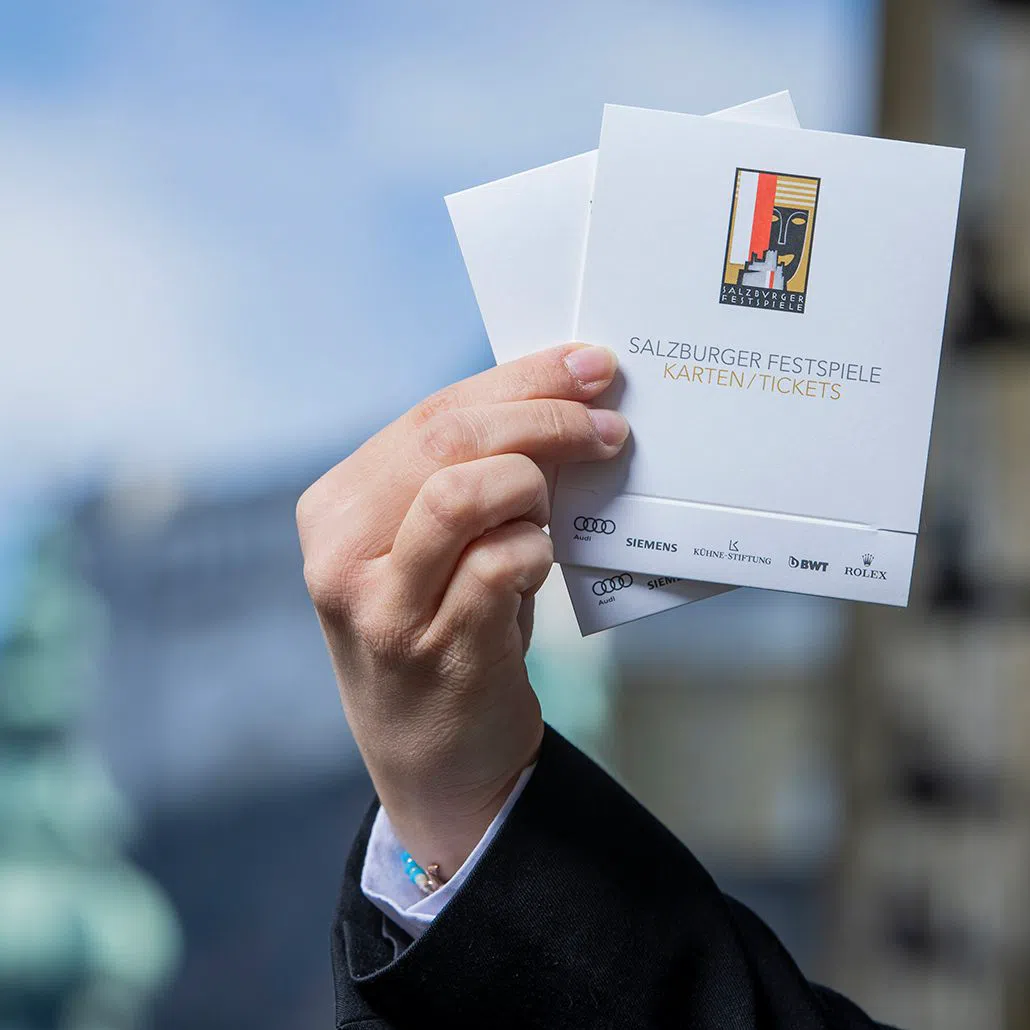
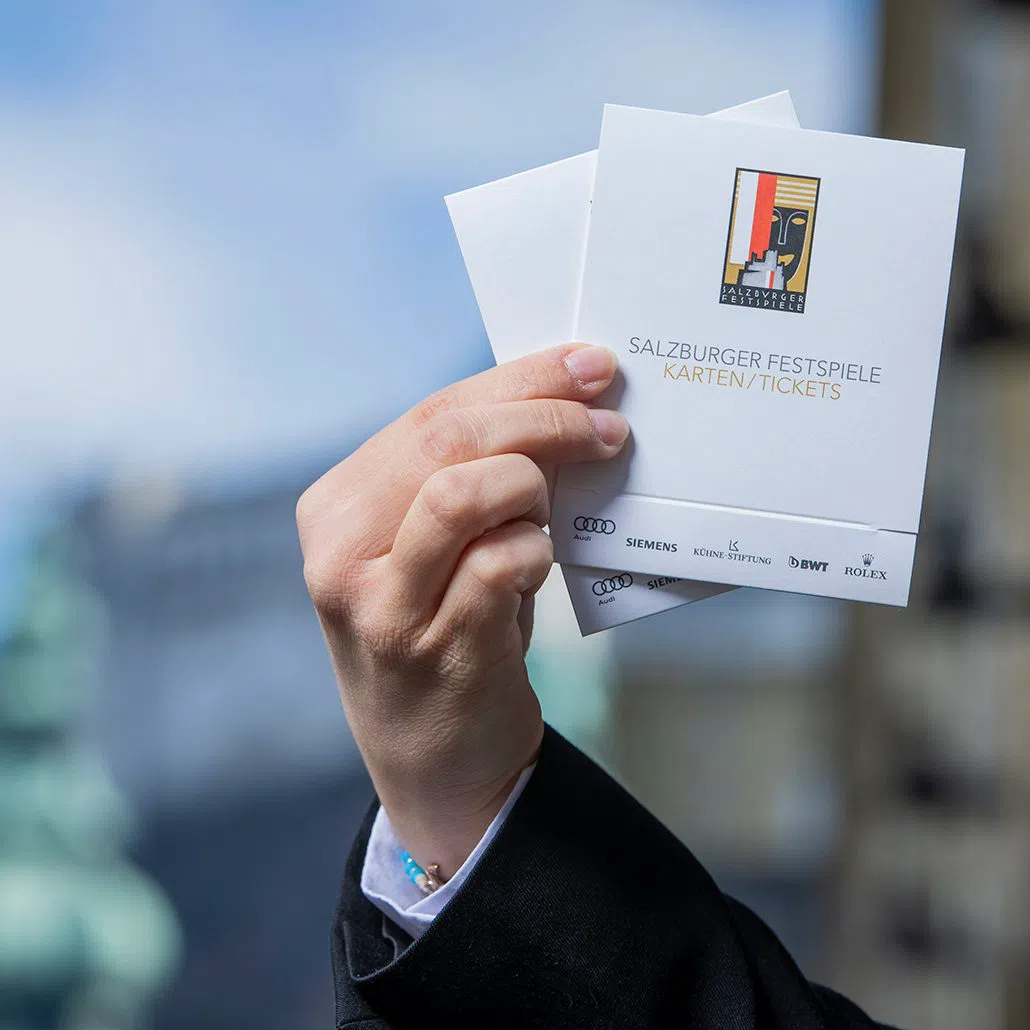
Everything in Salzburg bends around its festivals, so start by deciding whether you're building a trip around one or simply threading a concert into a longer stay. The Salzburg Festival (Salzburger Festspiele), spread across the grand houses of the Festival District in the Old Town, is the reason the classical world descends every summer (17 July–30 August 2026). Ignore the postcard image: the 2026 line-up leans hard beyond Mozart, with the world's finest conductors — Dudamel, Muti, Thielemann — Strauss's Ariadne auf Naxos, Bizet's Carmen and a tribute to the late György Kurtág. It is also the hardest ticket in the city. Premium opera and concert seats sell out months ahead, group bookings run through the festival box office, and prices climb from around €45 into the high hundreds. If you are a party of more than four, treat 'book very early' as non-negotiable — by spring the good nights are gone.
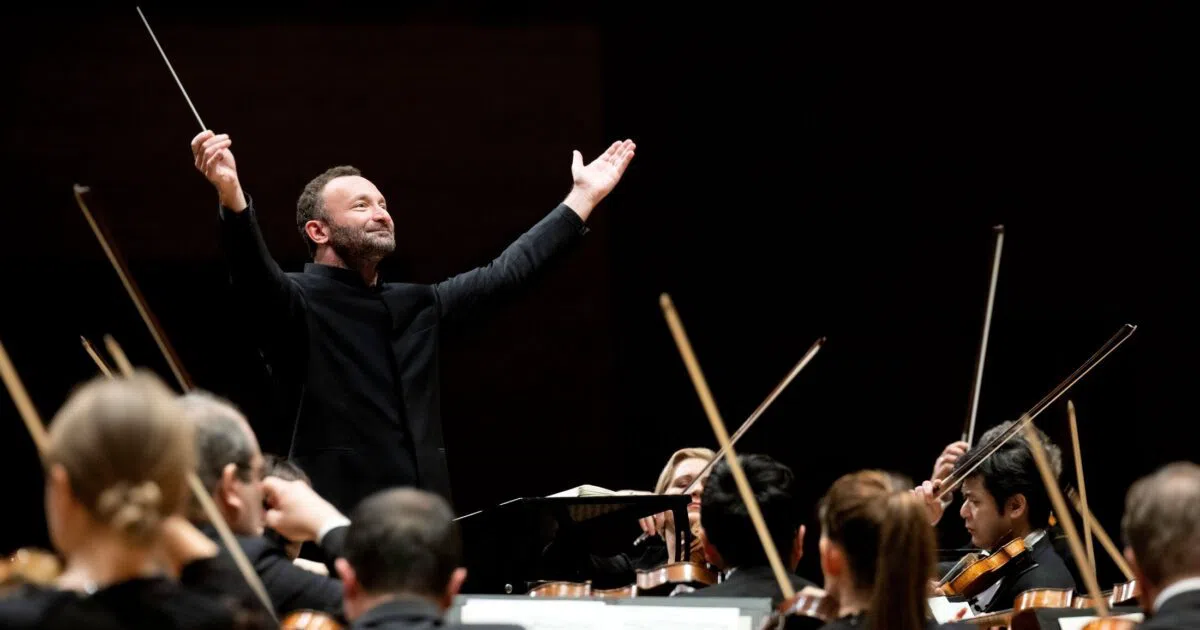
The quieter, and to my mind more surprising, sibling is the Salzburg Easter Festival (Osterfestspiele Salzburg), also staged in the Festival District (27 March–6 April 2026). Think of it as the anti-Mozart festival. A resident orchestra of the very first rank takes over the city, and 2026 opens Petrenko's new Ring cycle with Das Rheingold, alongside Mahler's colossal 'Symphony of a Thousand'. This is Wagner and late-Romantic heft, not a Köchel number in sight. It is a small, high-demand event with premium pricing — opera seats climb well past €300 — and group sales are handled directly by the festival office, so early booking is essential. For couples or serious listeners it is a jewel; for a large, mixed-interest group it can be an expensive gamble, and I'd point casual travellers elsewhere on this list.
Plan your Salzburg trip
Live prices from our booking partners.
Free cancellation on many rooms. We may earn a commission when you book.
Salzburg's working orchestras, year-round
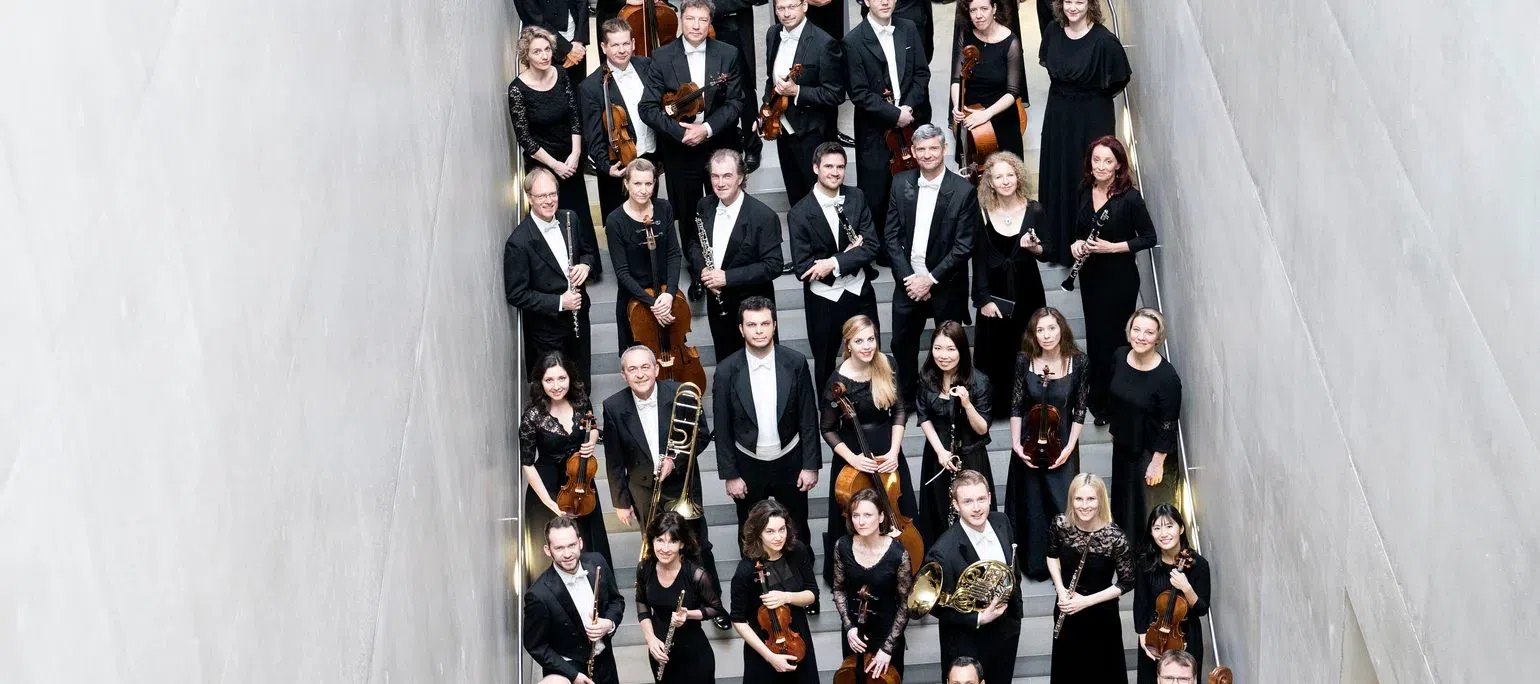
The festivals get the headlines, but the city's real musical backbone plays all year, and this is where a visitor on a normal week should look first. The Mozarteumorchester Salzburg is the resident orchestra and the everyday engine of concert life, performing across the city's main halls. Its autumn 2026 dates pair Tchaikovsky with Schumann — full-blooded Romantic repertoire that quietly makes the point that Salzburg's orchestral culture reaches far past its most famous son. Tickets are refreshingly grounded (roughly €20–€75), group discounts come through the orchestra office, and it suits almost everyone: couples, families, and groups who want a proper symphony night without festival prices or festival dress codes.
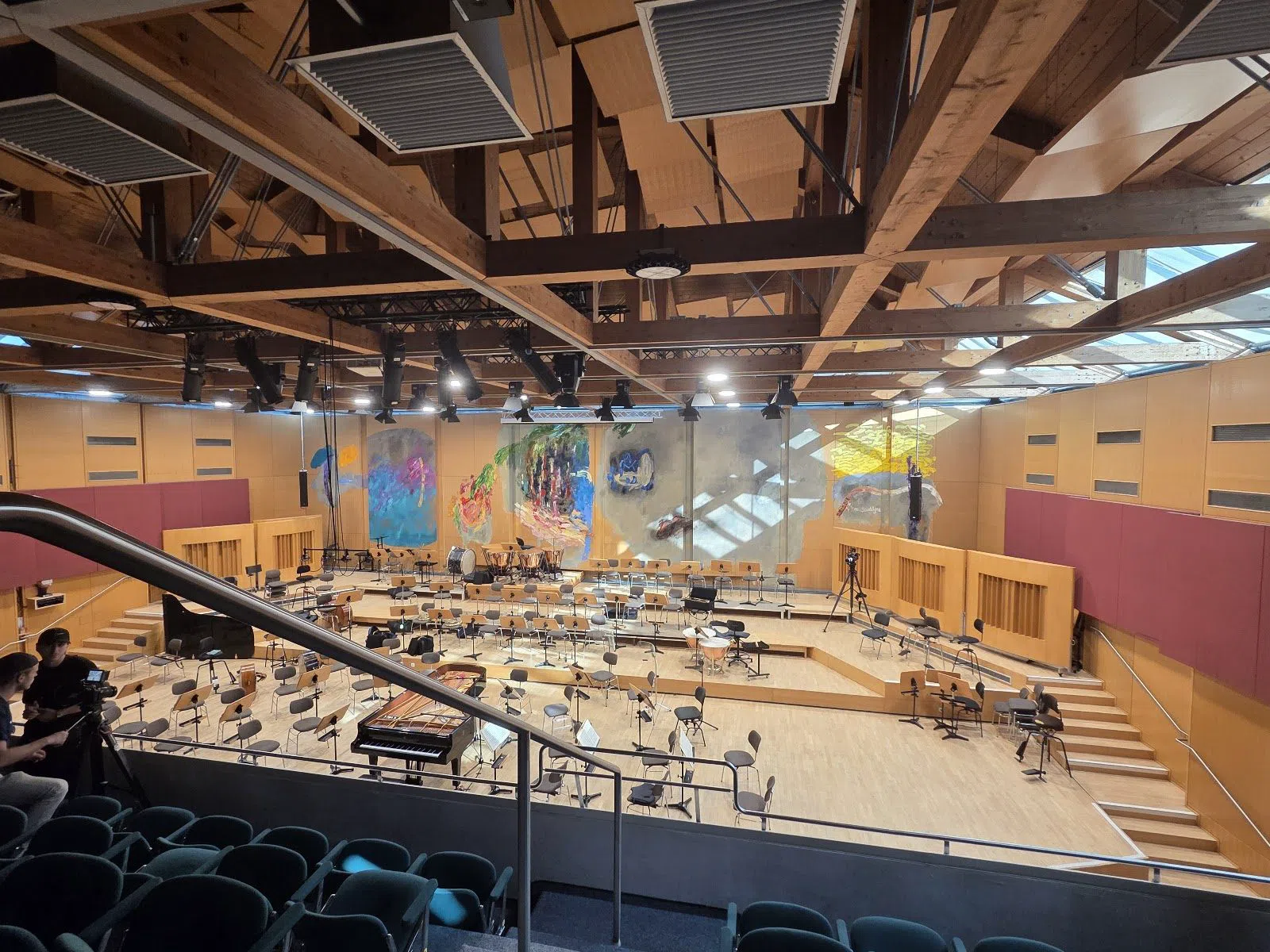
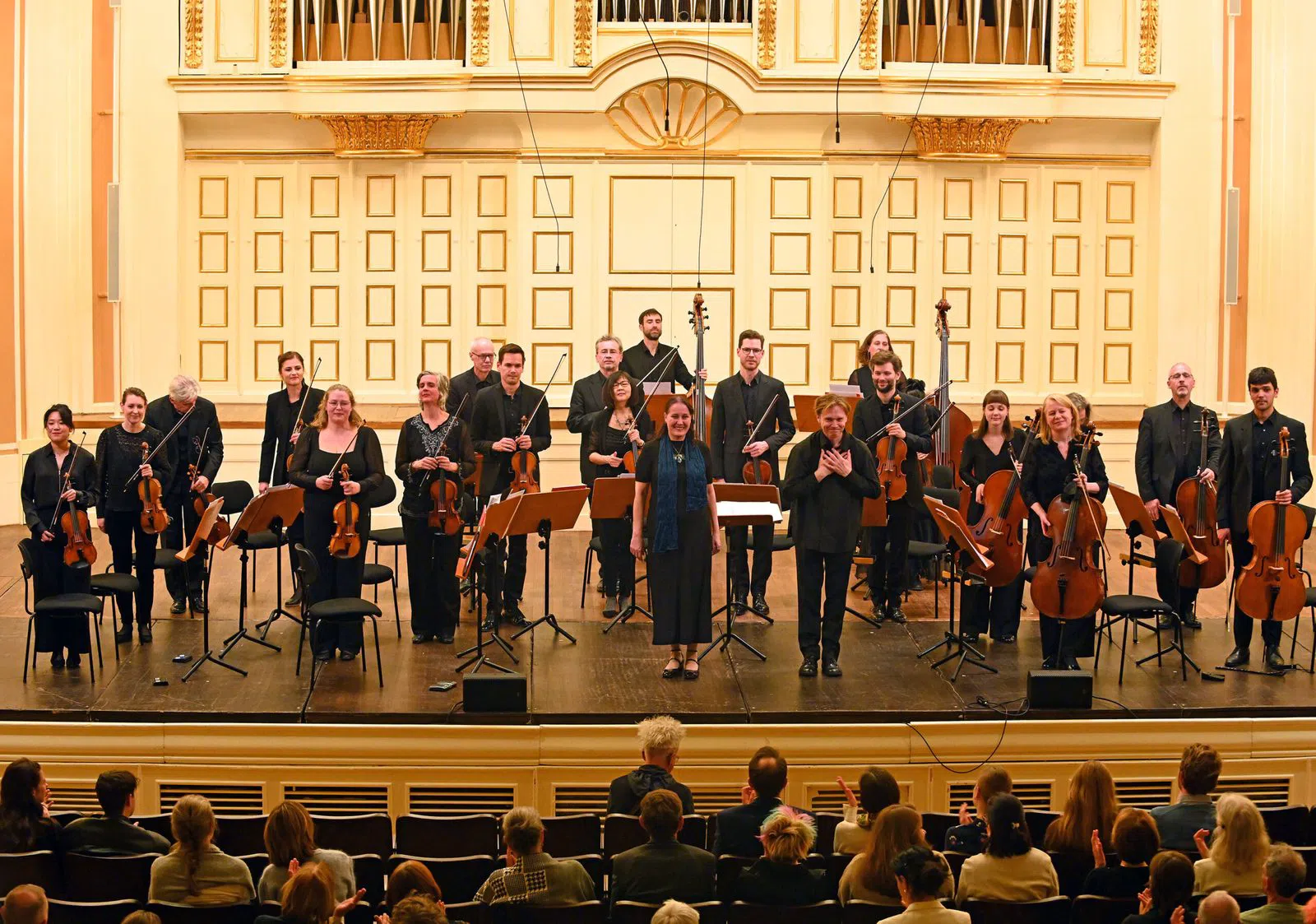
Alongside it sits the Philharmonie Salzburg, the city's spirited independent orchestra, founded and led by Elisabeth Fuchs, who celebrates her 50th in 2026. Their programming favours big Romantic and choral works, family concerts and a New Year date, and the whole operation feels warmer and more approachable than the festival machine. Prices sit around €25–€75 with group bookings straight through the orchestra. If you're travelling with children or with people who find grand opera houses intimidating, this is the gentler door into serious music-making.
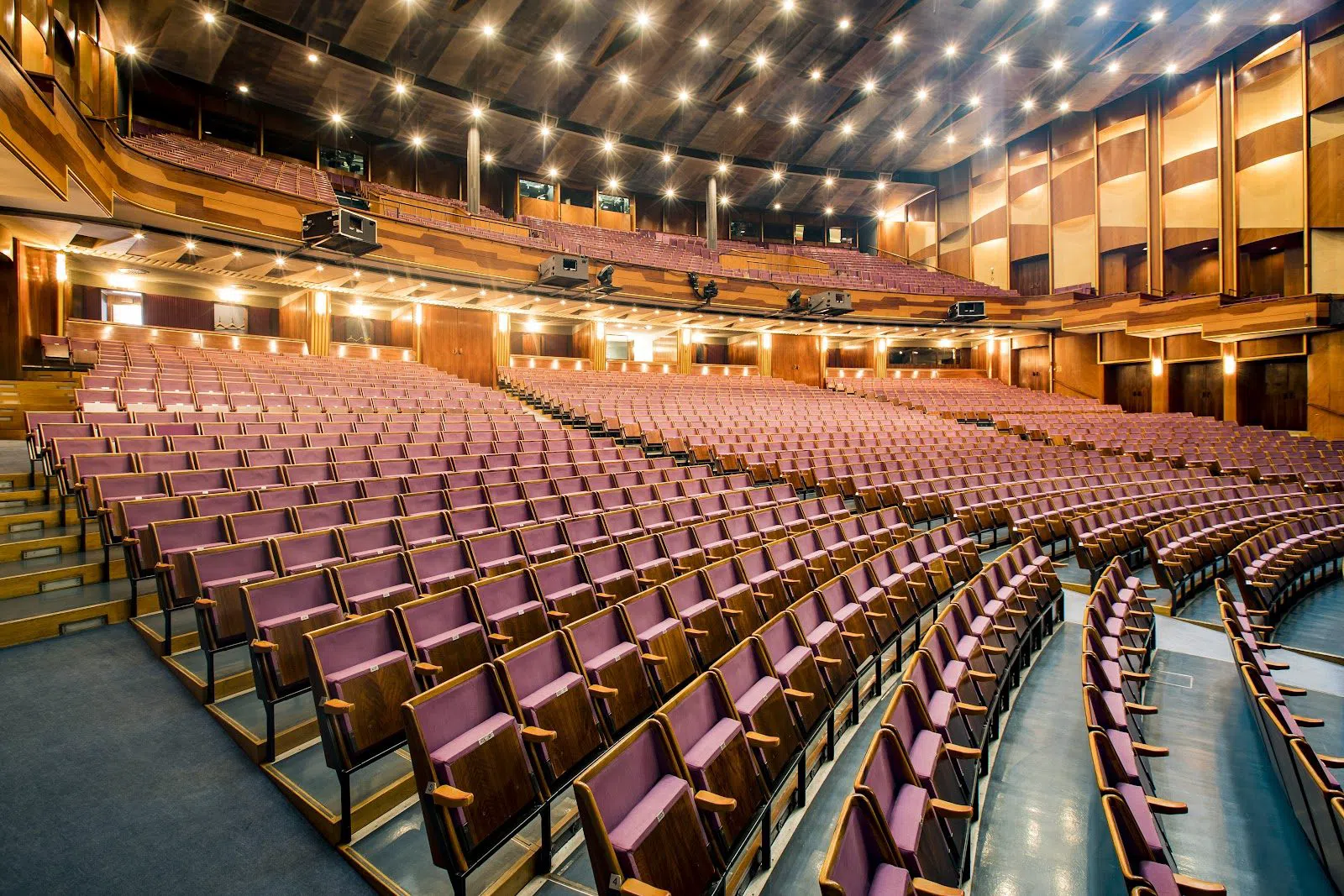
For the easiest world-class night outside festival season, look to the Salzburger Kulturvereinigung, the city's leading concert organiser since 1947 and the promoter behind the main subscription series. It brings touring international orchestras and soloists to the vast Grosses Festspielhaus year-round, and — crucially for anyone reading this as a group organiser — it actively courts coach parties and blocks of seats. Prices run roughly €30–€120. If you want to guarantee a big symphonic occasion on a specific date and you're bringing numbers, this is the pragmatic choice: one phone call, a block of good seats, done.
Historic halls, unexpected programmes
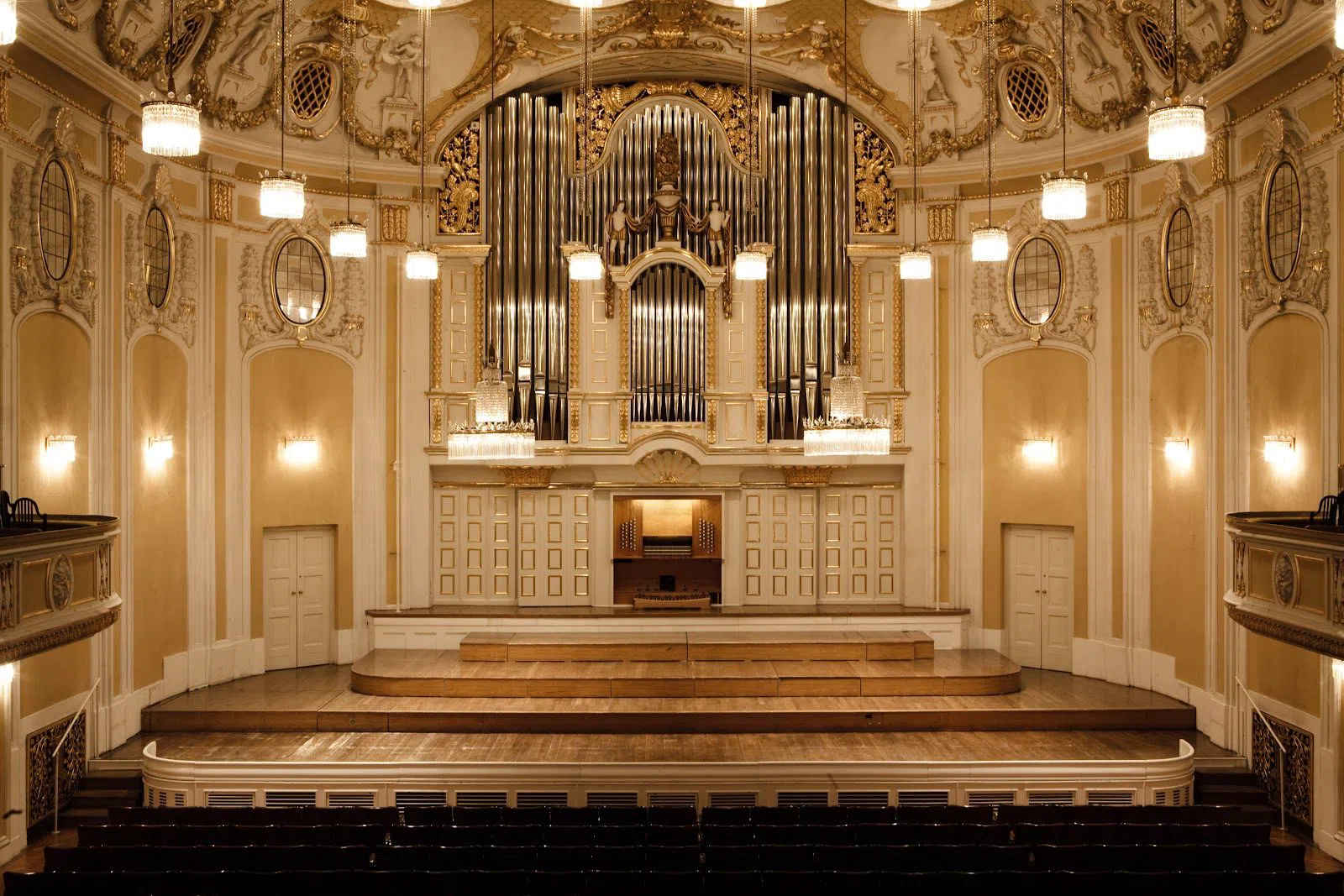
It would be easy to assume the Stiftung Mozarteum — Great Hall (Großer Saal), on the Schwarzstraße along the right bank, is a shrine and nothing more. It does guard the Mozart flame, but its own programming ranges much wider: it runs the interdisciplinary DIALOGE festival of contemporary and cross-arts work, proving that new music sits perfectly comfortably in this most historic of halls. Concerts are publicly ticketed at around €25–€90, groups are welcome, and the box office handles block orders. The acoustics are among the best in the city, and catching something unexpected here — a living composer's premiere in a gilded 1914 hall — is one of Salzburg's genuine pleasures. Book it when the programme surprises you, which is more often than the building's reputation suggests.
Concerts with a view: the crowd-pleasers
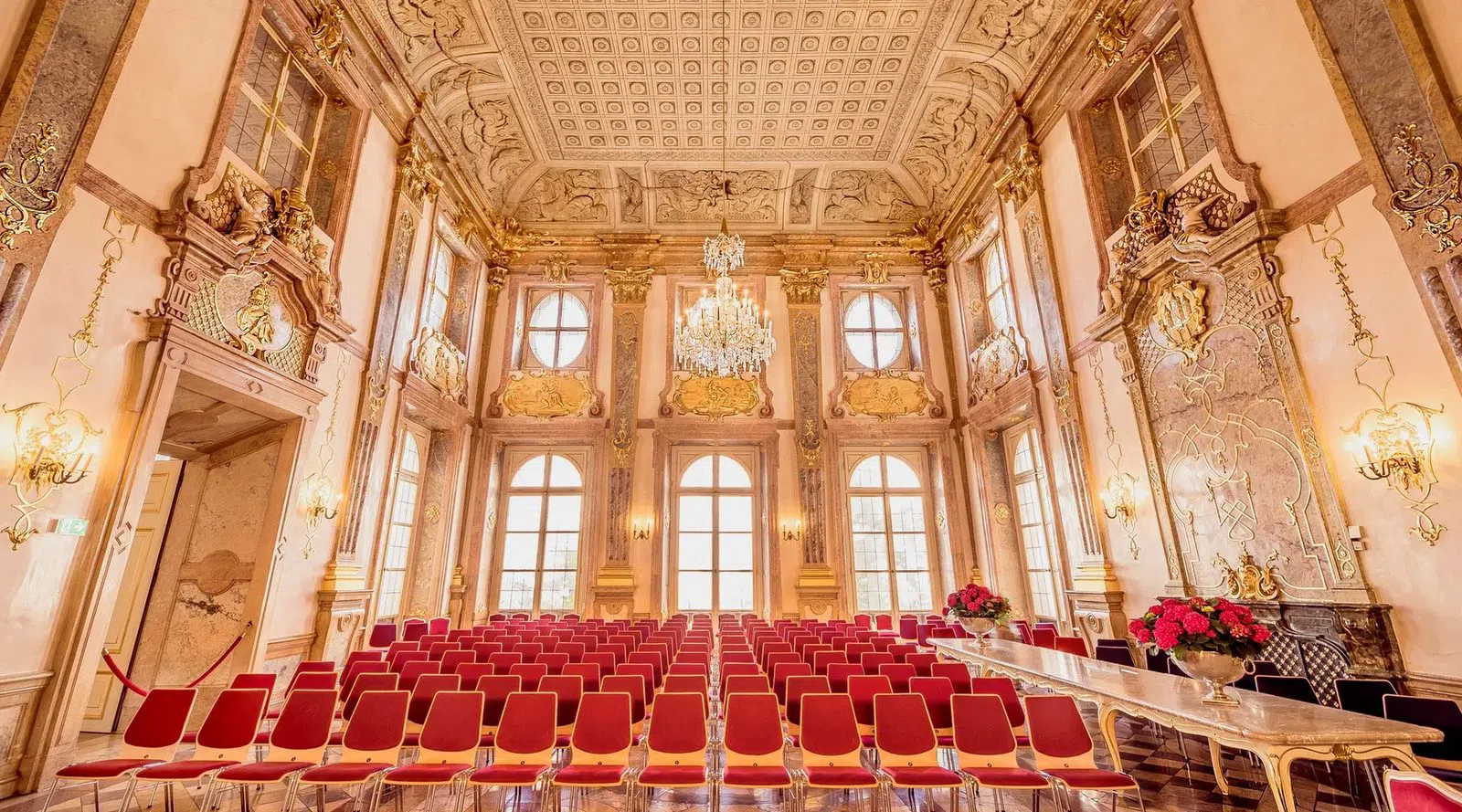
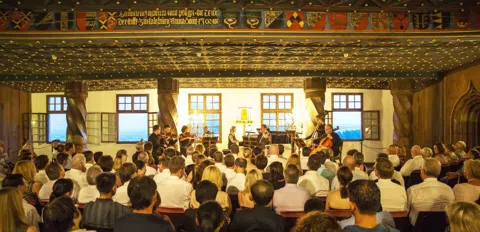
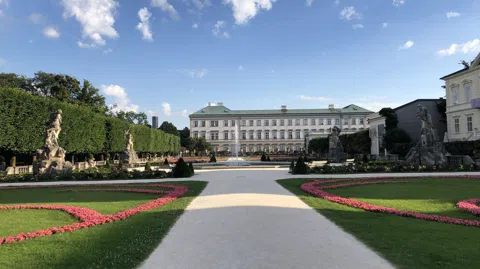
There is no shame in a beautiful, accessible evening, and Salzburg does these superbly — as long as you know what you're buying. The most reliable is the Salzburger Schlosskonzerte, staged in the Marble Hall of the Mirabell Palace beside the Mirabell Gardens. This is one of the most group-oriented series in town, with over 230 concerts a year and group rates as standard (roughly €35–€44). The programmes cover 'Mozart and his contemporaries' — Haydn, Schubert and Baroque repertoire, often on period instruments — in a jaw-dropping baroque room. When the festivals aren't running, it's the most atmospheric dependable evening in the city, and it suits couples and groups equally.
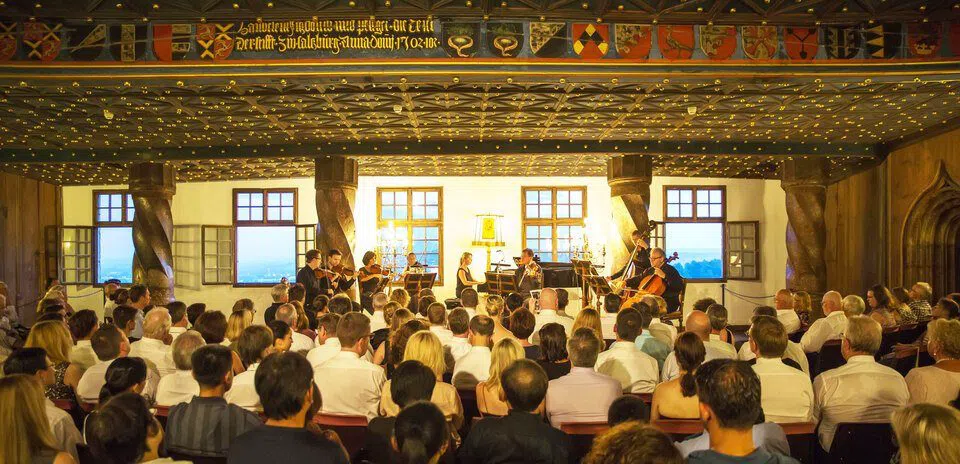
For scenery over substance, the Salzburg Fortress Concerts (Festungskonzerte) take you up to the Hohensalzburg fortress on its hilltop for a 'Best of Mozart & Strauss' chamber programme with city views. I'll be honest: it's touristy, and the repertoire is a greatest-hits reel rather than a serious recital. But it is explicitly built for groups, with concert-only tickets (around €43–€47) or a combined dinner package (around €84–€91) that adds a Salzburger Nockerl to the evening. The Strauss waltzes and the funicular ride up give it a lighter, night-out feel that works well for a celebration or a mixed group who want an occasion as much as a concert.
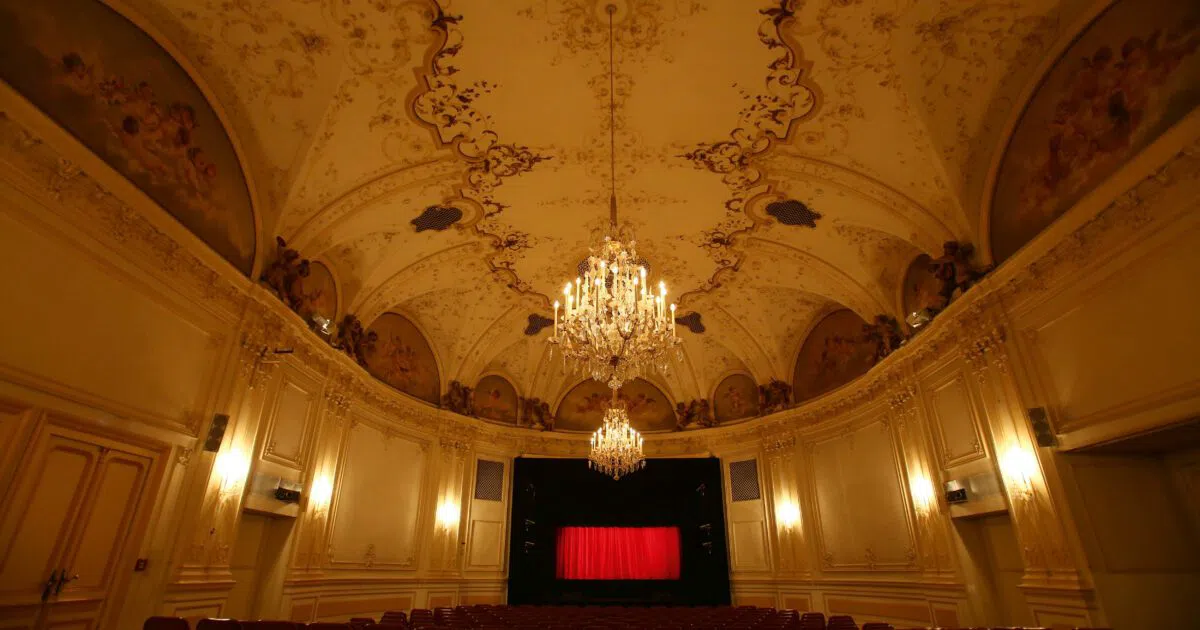
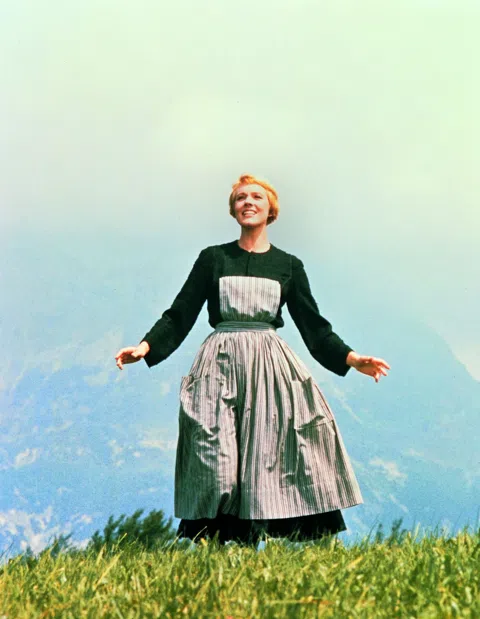
The Salzburg Marionette Theatre (Salzburger Marionettentheater), also on the Schwarzstraße near Mirabell, is a charming Salzburg institution and far more musically ambitious than 'puppets' implies. Its repertoire spans well past Mozart — Strauss's Die Fledermaus, Tchaikovsky's Nutcracker, and, via the Whitsun Festival, Monteverdi's Il ritorno d'Ulisse staged with the celebrated Carlo Colla puppeteers. It's also the go-to house for The Sound of Music. Tickets run roughly €22–€41, with group rates and matinees. This is the one venue on the list I'd send families and older travellers to without hesitation; the craft is extraordinary and the matinees make it easy on a schedule.
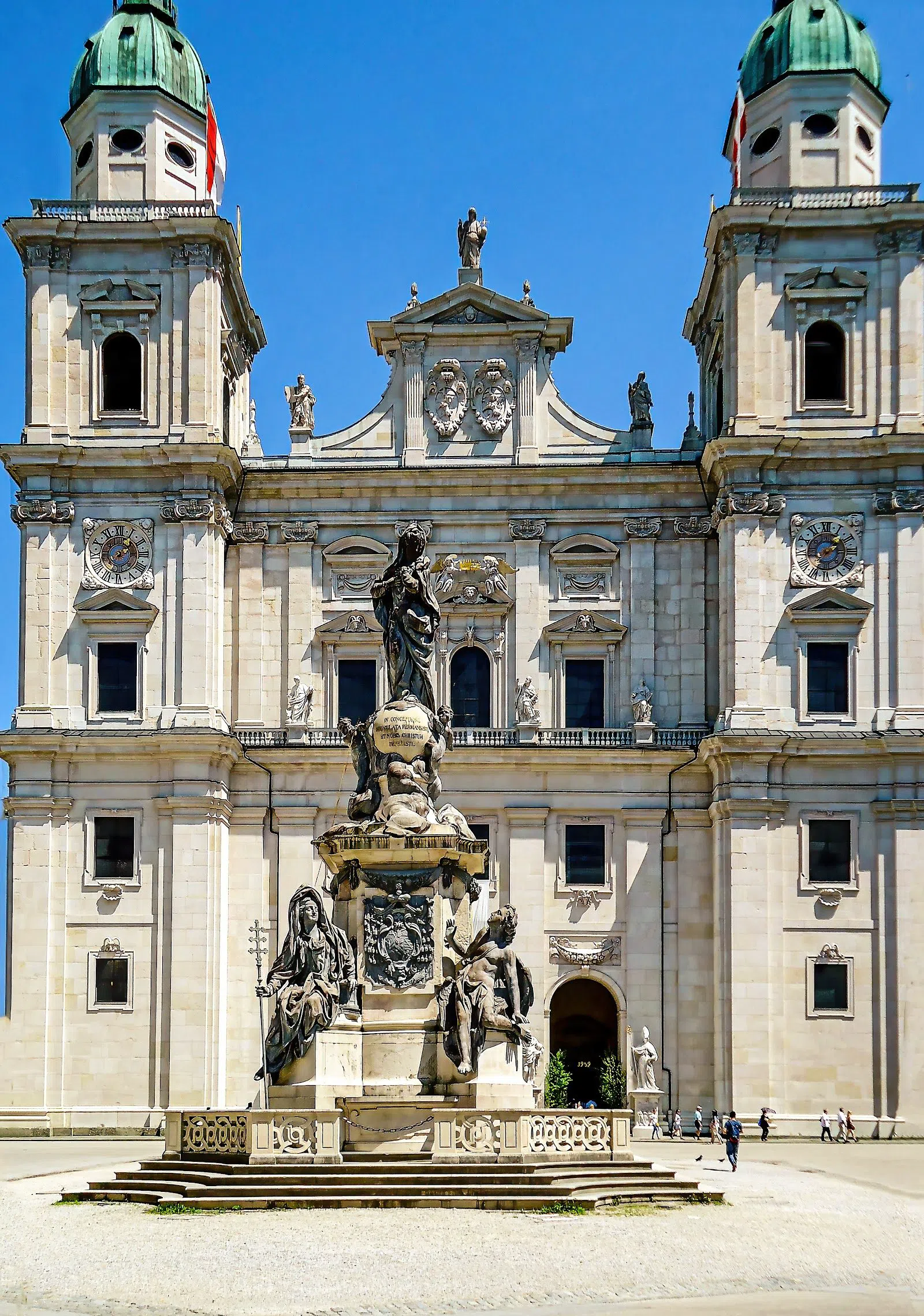
Cheapest and most distinctive of all are the Salzburg Cathedral organ concerts (Dommusik) on the Domplatz, in the heart of the Old Town. They are walk-up and group friendly, with midday slots that suit large parties and prices of just €10–€14 (some by donation). The summer highlight is the '7 Organ Spectacular' on weekend afternoons from late July into early September 2026, when organists trade phrases across all seven of the cathedral's organs — a genuinely thrilling piece of acoustic theatre, and a Bach-and-Duruflé recital tradition entirely separate from the Mozart trail. For a low-cost, low-commitment hour that still feels special, nothing beats it.
The new and the improvised
If you want proof that Salzburg's musical story is still being written, three names matter. The aspekte Salzburg festival (11–15 March 2026) is the city's dedicated new-music event, opening with a distinguished visiting chamber orchestra and premieres by living composers such as Staud and Karastoyanova-Hermentin. Concerts are small and intimate (roughly €15–€35), held in modest venues, so groups should book ahead — a party of ten can swallow a whole room here. This is the clearest statement in the city's calendar that its classical scene is a present tense, not a museum.
Come autumn, the mood shifts entirely with Jazz & The City (15–18 October 2026), four days of largely free jazz, global groove and electronica spread across dozens of Old Town venues. Entry is free (donations welcome), which makes it ideal for a self-guided group crawl — pick a starting bar, follow your ears, and let the evening rearrange itself. It's a completely different, contemporary soundtrack to the city and, importantly, a real local highlight rather than a tourist add-on. If your dates land in mid-October, build the trip around it.
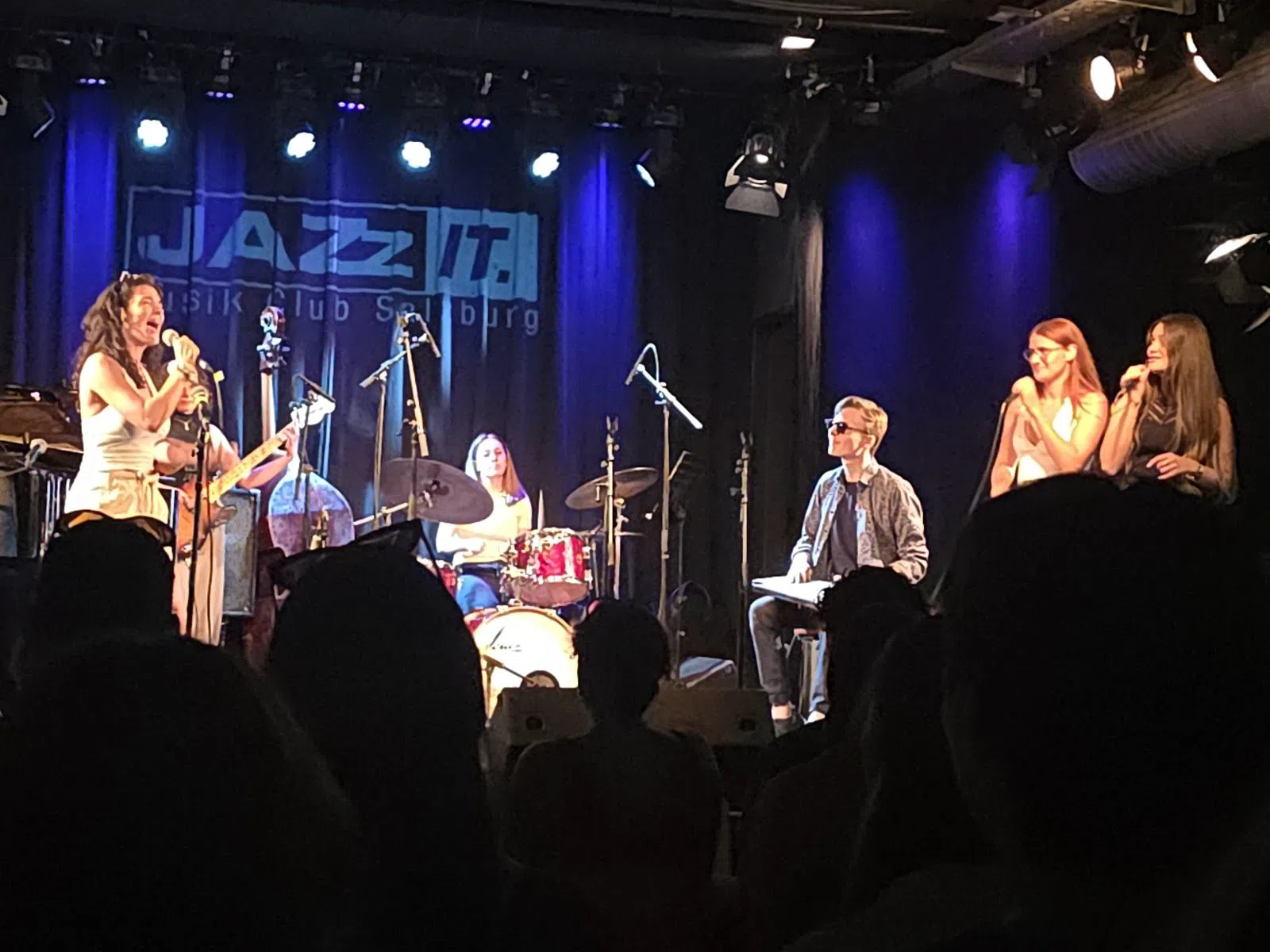
And between the festivals, the city's improvised music actually lives at the Jazzit Musik Club, near the station in the Elisabeth-Vorstadt. Open since 2002, it's a year-round hub for jazz, avant-garde and new music, ranging into tango and world sounds. Prices are club-scale (€15–€30, some nights free or student-priced), and capacity is small, so book ahead for popular bills. It comfortably suits a couple or a modest group of friends; it is not the place for a coach party. This is where you go to hear Salzburg's music being made rather than curated — the honest counterweight to everything with a chandelier.
How to plan it
Timing. The two peaks are Easter (late March to early April) and high summer (mid-July to end of August), when prices climb and the Old Town heaves. If you want atmosphere without the crush, aim for the Schlosskonzerte, cathedral organ recitals and the everyday orchestras in spring or autumn, or time a trip to Jazz & The City in October for something looser and cheaper. Book festival and Easter seats months ahead; the year-round series can often be caught a week or two out.
Getting around. Salzburg's Old Town is compact and walkable — most venues here are ten to fifteen minutes apart on foot, and you won't need transport between the cathedral, the Festival District and the Mirabell halls. The fortress is reached by the FestungsBahn funicular; the Jazzit club is a short walk or a single bus hop from the centre. Trolleybuses cover the rest, and a day ticket is inexpensive.
Cash and booking. Cards are widely accepted at the major houses, but bring some euros for cathedral donations, cloakrooms and post-concert drinks. Groups should always contact the relevant box office directly — the festivals, the Kulturvereinigung and the Schlosskonzerte all handle block bookings properly, and you'll get better seats than piecing it together online.
Budget. You can hear serious music here for €10 (a cathedral organ recital) or spend €300-plus on an Easter opera seat — the range is enormous. A sensible middle path for a couple: one resident-orchestra concert (around €40–€60 each), one Schlosskonzerte evening (around €40), and a free Old Town jazz wander, all for well under the price of a single festival ticket.
For where to stay within walking distance of every venue above, start with a Salzburg hotel search, and see our full Salzburg guide for the rest of the trip. Come for Mozart if you must — but leave having heard everything he'd be jealous of.
Before you go
When are the main Salzburg music festivals in 2026?
The Salzburg Easter Festival runs 27 March–6 April 2026 and the summer Salzburg Festival runs 17 July–30 August 2026. Outside those peaks, aspekte (new music) is 11–15 March and Jazz & The City is 15–18 October 2026.
Can I hear serious music in Salzburg outside the festivals?
Yes. The Mozarteumorchester and the independent Philharmonie Salzburg play year-round, the Salzburger Kulturvereinigung brings touring orchestras to the Grosses Festspielhaus, and the nightly Schlosskonzerte run at the Mirabell Palace when the festivals aren't on.
Which Salzburg concerts are best for a large group?
The Schlosskonzerte, Fortress Concerts and the Kulturvereinigung series are all built for groups with block bookings and group rates. The cathedral organ recitals are cheap and walk-up friendly. Small clubs like Jazzit and the intimate aspekte venues suit couples or modest groups better.
Is Salzburg music expensive?
It ranges hugely. Cathedral organ concerts cost around €10–€14, resident-orchestra tickets €20–€75 and palace chamber concerts €35–€44. Festival and Easter opera seats are the costly end, climbing past €300 for premium places, so book those very early.
What's on beyond Mozart in Salzburg?
Plenty: Wagner's Ring cycle and Mahler at Easter 2026, Strauss, Bizet and a Kurtág tribute at the summer festival, Tchaikovsky and Schumann from the resident orchestra, new-music premieres at aspekte, and four days of free jazz in October.