
Every summer since 1920, a bell has tolled across Domplatz at dusk and a man named Everyman has been called to answer for his life in front of several thousand strangers. The Salzburg Festival is the reason this city's hotels sell out from late July, and for a first-timer the event itself is less mysterious than the choreography of getting into it — who queues where, what's actually still available in August, and which door genuinely does not care how you're dressed. This is the practical version of that choreography, venue by venue, built from what's actually bookable this year.
Where Tickets Actually Come From
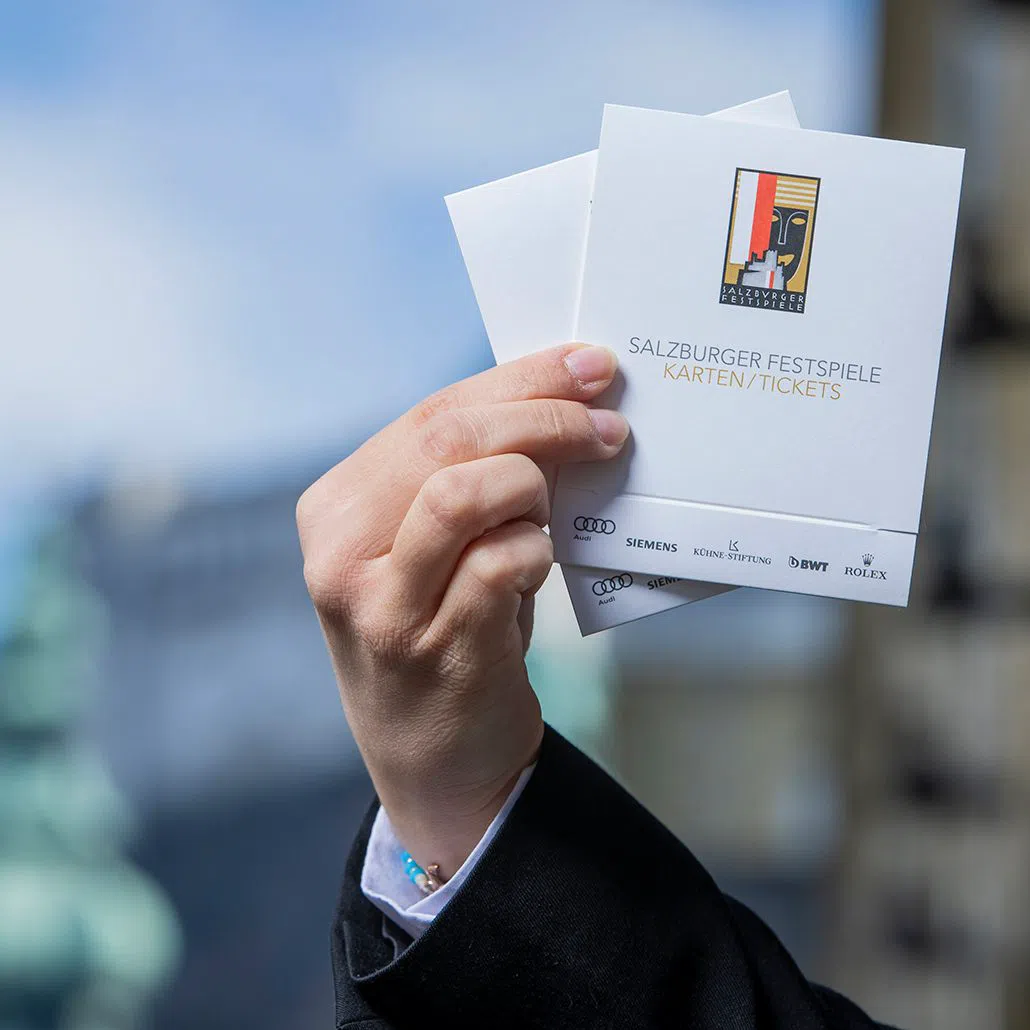
Everything begins and, for most people, ends at the Salzburger Festspiele Kartenbüro (Festival Ticket Office), Hofstallgasse, tucked into the same block as the festival halls in the Altstadt. Individual sales for the 2026 season opened on 19 January, and the headline productions — the Jedermann cast list changes enough each year to matter, the flagship opera — routinely sell out within 30 to 90 minutes of going live. If you're reading this in summer, the general sale is long closed; what's left is returns, will-call collection, and the group desk. Prices run €25 to €450 depending on venue and seat, and the Kartenbüro is also the only place to collect tickets that were reserved in your name, so even if you bought online, build in time to queue here before curtain. It runs a dedicated group-sales desk for parties of ten or more, which is worth knowing if you're travelling with a tour group or a large family reunion — call ahead rather than turning up cold, since group blocks are allocated separately from the general pool and need lead time.
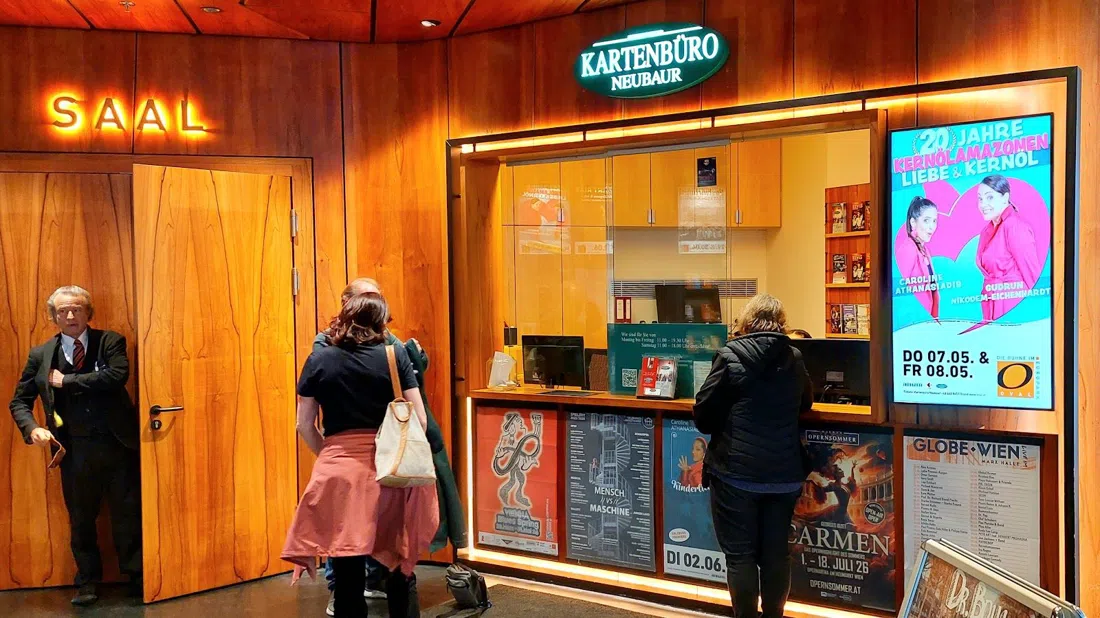
If the Kartenbüro's own stock is gone, the honest fallback — not a scalper, a genuinely established Salzburg institution — is the Neubaur Kartenbüro (independent ticket agency), an independent agency that has handled Jedermann and opera seats for decades when the official box office sells out in the first hour. You'll pay face value plus a booking fee, but the confirmations are guaranteed rather than speculative, which matters if you've already booked flights around a specific date. It's a legitimate route for individuals as much as groups, and worth calling before you assume the festival is a lost cause.
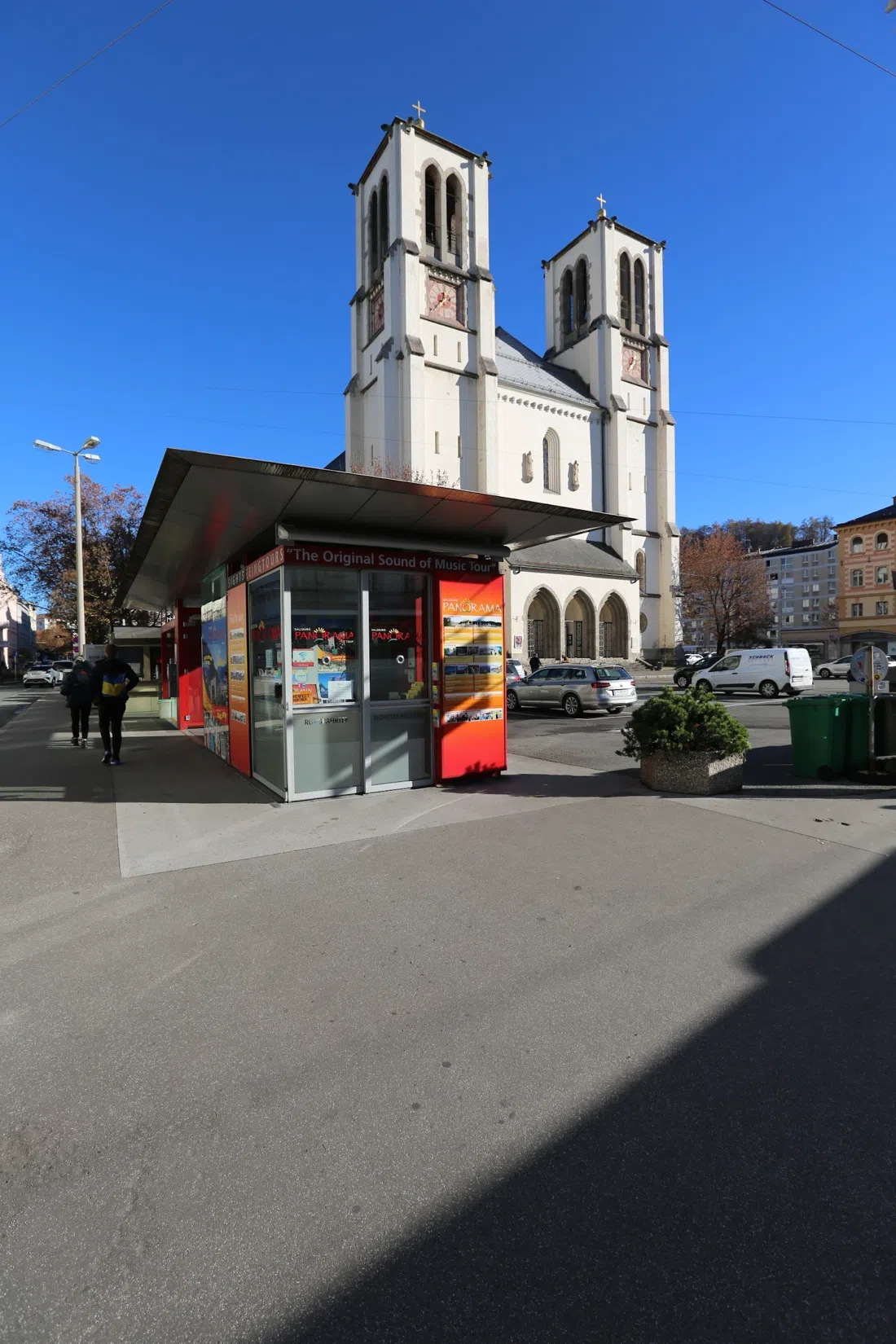
For first-timers who would rather not spend a morning refreshing a ticket site or standing in a queue at all, Salzburg Panorama Tours (near Mirabellplatz) is the city's largest incoming tour operator and runs festival packages that bundle ticket, hotel and dinner into one booking, from roughly €150 per person. It has a dedicated group-sales contact, which makes it the sensible choice for anyone organising six or more people who'd rather not coordinate six separate ticket confirmations. It won't get you a cheaper seat than the box office, but it will get you a guaranteed one without the queue.
The Open-Air Jedermann, on Domplatz
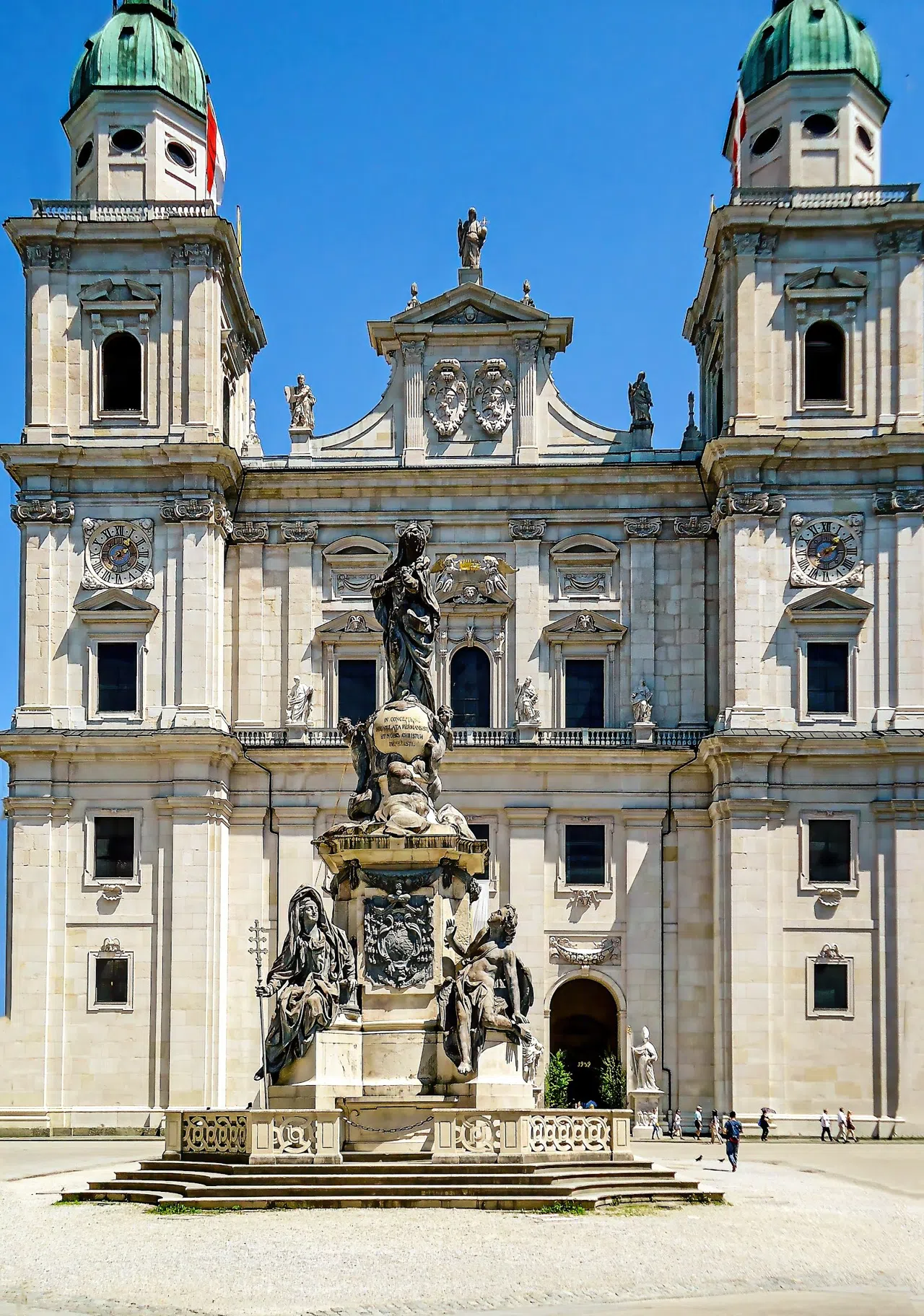
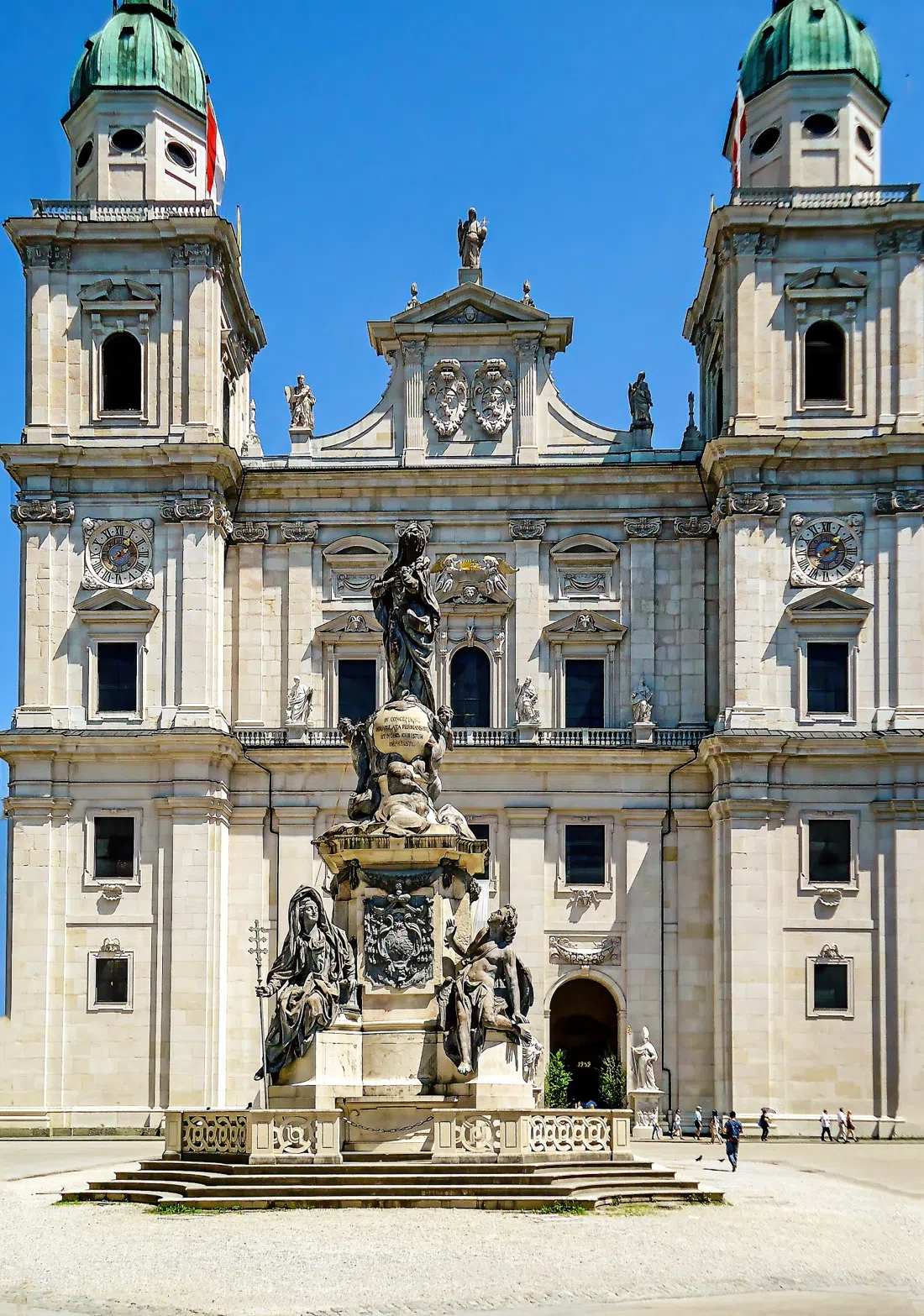
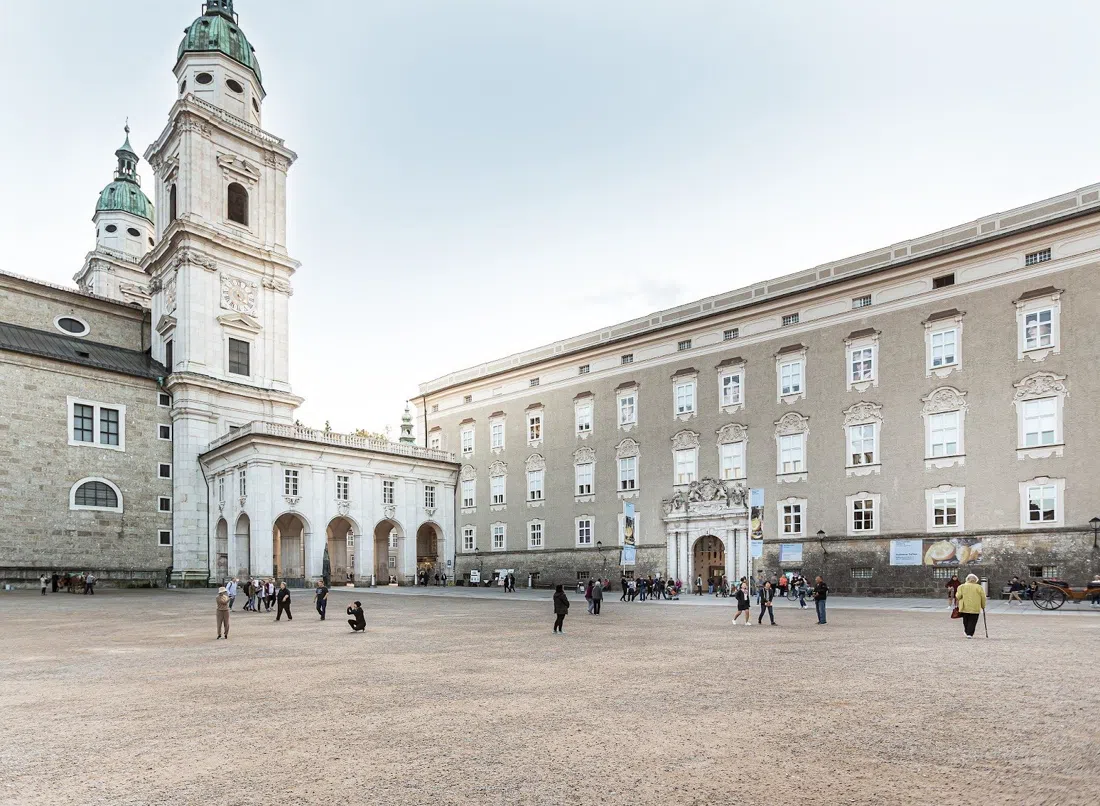
Domplatz (Cathedral Square), in the heart of the Altstadt directly beneath the cathedral façade, is the single image most people mean when they say "the Festival." Hofmannsthal's morality play has been staged here, outdoors, against that same baroque backdrop, every summer since 1920, and it's the production a first-timer should prioritise above all others precisely because nowhere else recreates it. Seated tickets run €30 to €450 depending on position, but the detail worth knowing is the €10 day-of standing ticket — released the day of performance, cash-friendly, and the genuinely affordable way to see Jedermann if you can't get or don't want a full-price seat. Turn up early; standing space is not reserved and fills from the front. The one honest caveat: Salzburg summer weather is unreliable, and a bad-weather call moves the performance indoors to the Großes Festspielhaus with little notice, so don't plan a rooftop dinner reservation timed to the exact minute the curtain should fall outdoors — build in slack.
Inside the Halls: Where the Rest of the Festival Happens
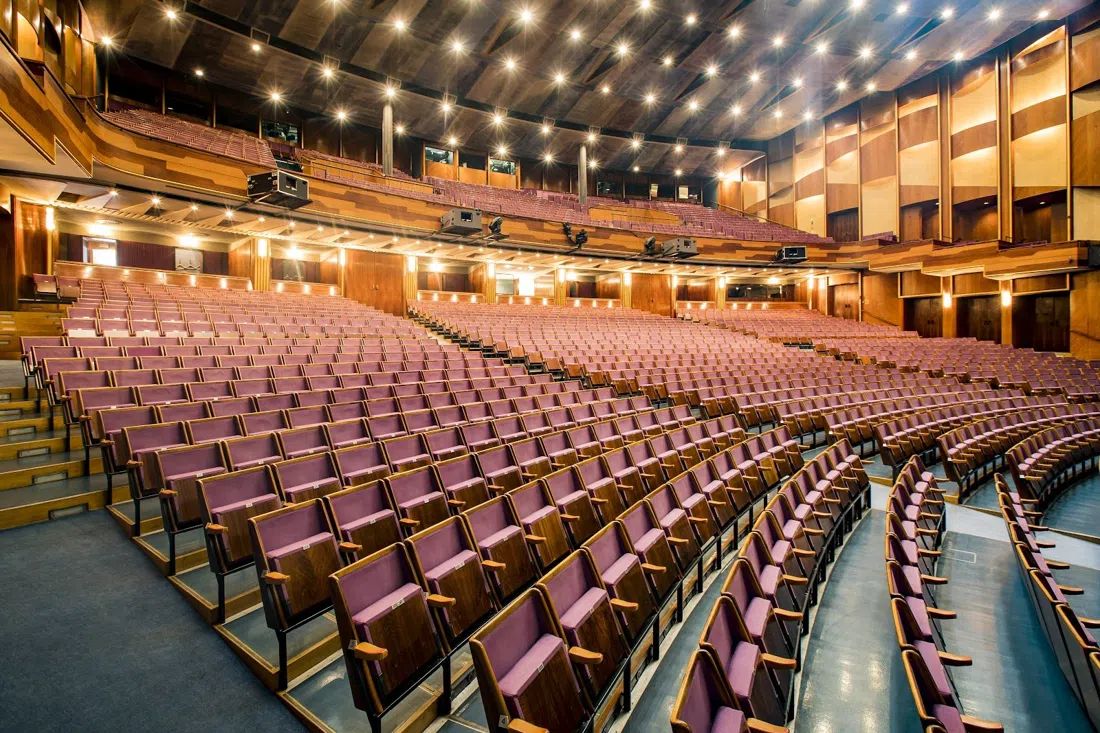
The festival district clusters around Hofstallgasse and the Großes Festspielhaus (opera & concert hall) is its biggest room — home to the Vienna Philharmonic's festival concerts and the flagship opera productions, with standard group rates through the box office and only limited standing room, so don't count on a cheap seat here the way you can elsewhere. Tickets range €35 to €450.
Next door, the Haus für Mozart (opera house) is the better-value neighbour: smaller, cheaper, and home to what is genuinely the best standing-room opera deal in the whole festival, from €25. Group bookings go through the same box office, but if you're travelling as a couple rather than a coach party, this is the hall to check first for a same-week seat once Domplatz and the Großes Festspielhaus have sold out. Tickets run €25 to €250.
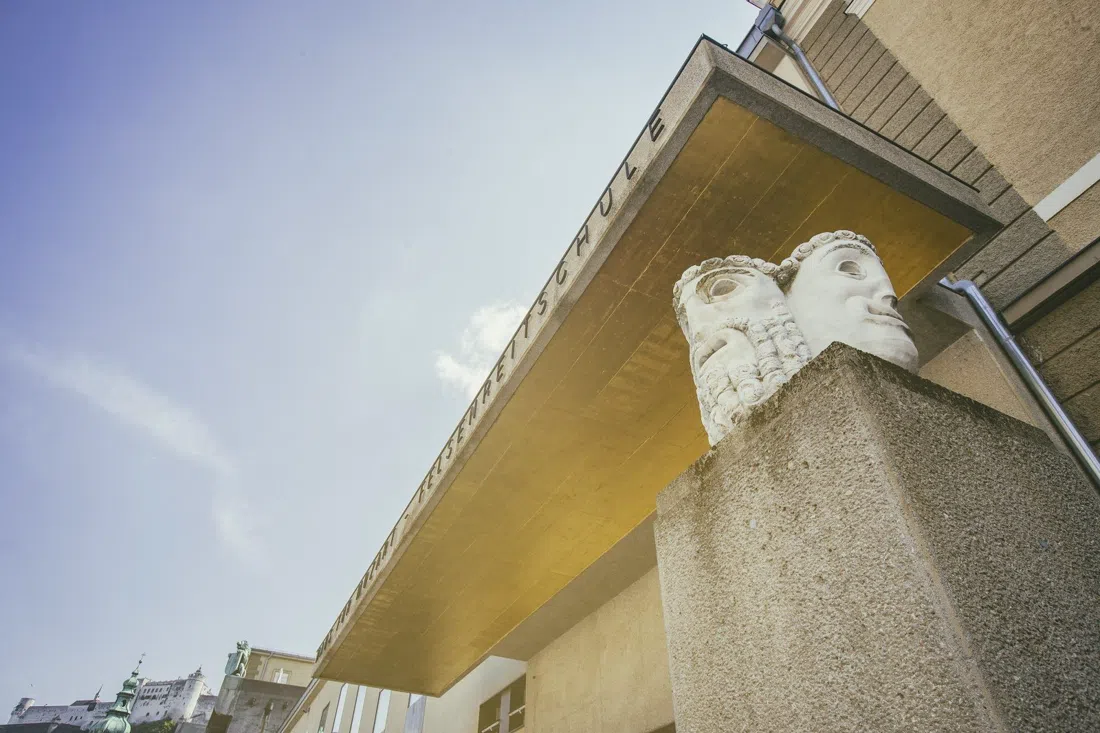
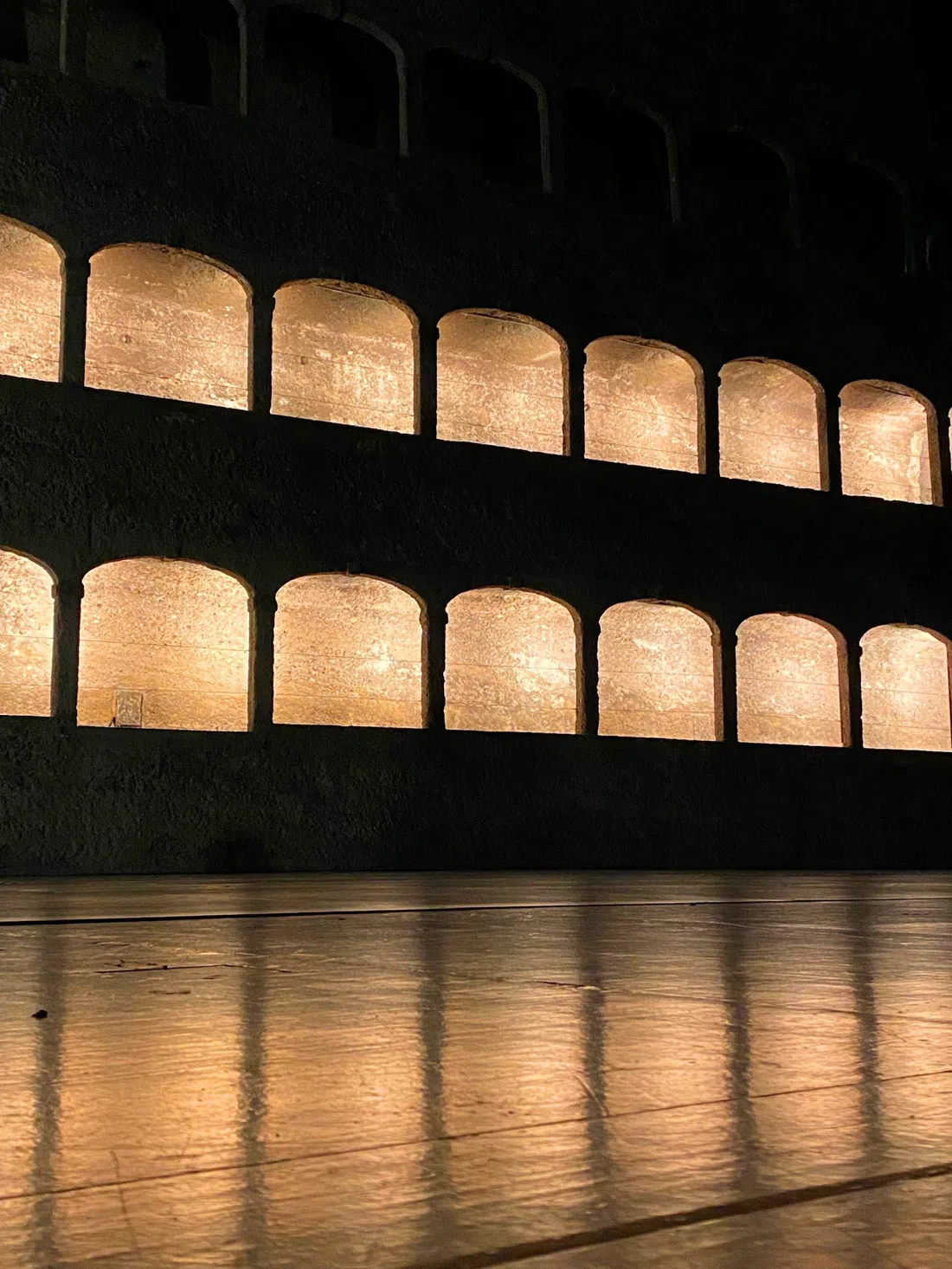
For pure theatrical impact, the Felsenreitschule (rock-cut open-roof theatre) is worth attending for the room alone — a stone arcade cut directly into the cliff face, used for the festival's boldest large-scale opera and drama staging. It takes group bookings via the standard box office and runs €25 to €350; if you only have one evening free and want something visually unlike anything else in Europe, this is it.
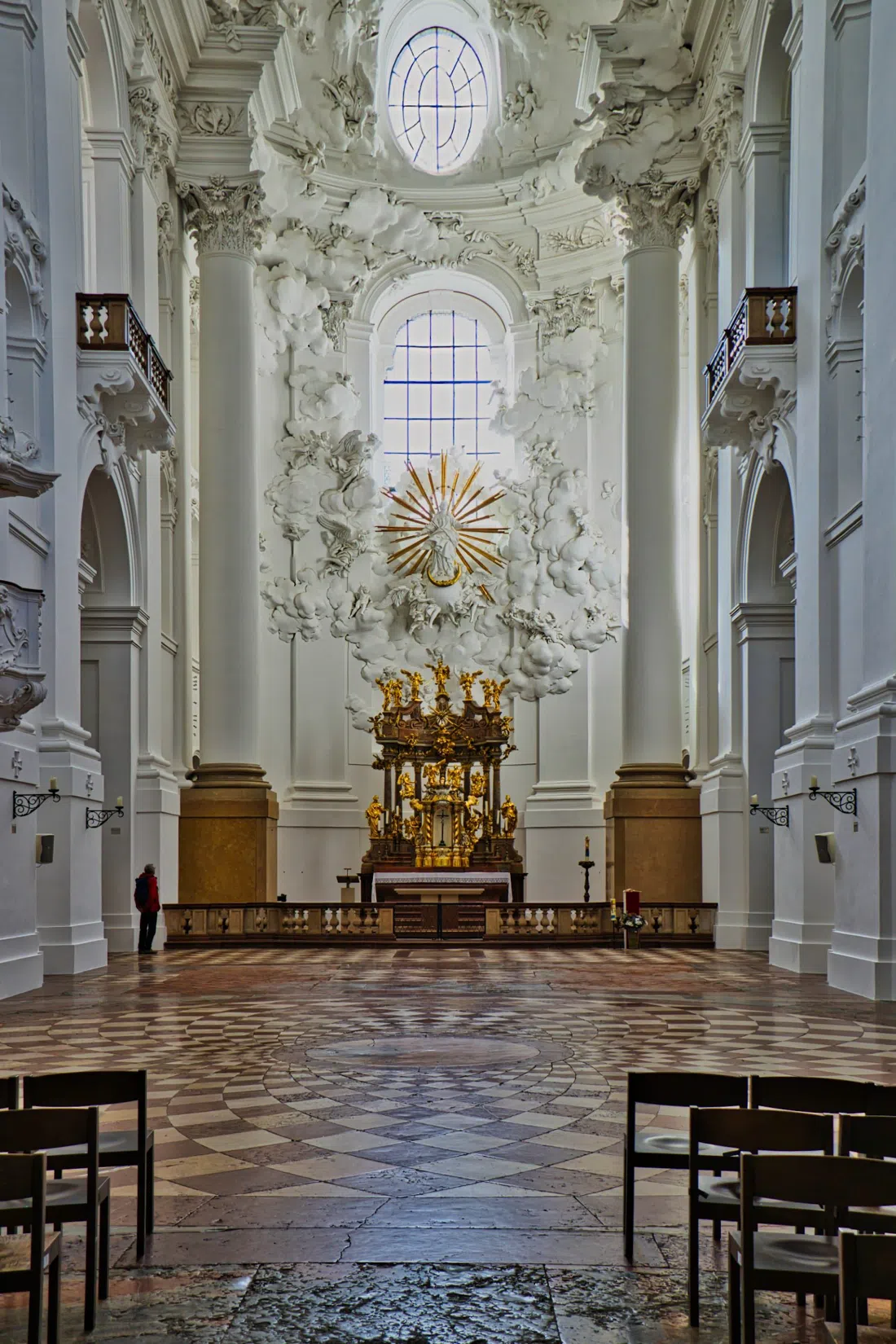
The quietest and cheapest entry point into the festival proper is the Kollegienkirche (church concert venue) on Universitätsplatz, part of the festival programme since 1922 and home to the sacred and contemporary Kontinente choral series. Capacity is genuinely small, so groups need to book earlier than for the opera houses, but at €20 to €90 it's the most accessible way to say you attended the Salzburg Festival without committing to opera prices — and a good option for anyone who finds a full Jedermann or Mozart evening more than they bargained for.
The Free Option: Kapitelplatz After Dark
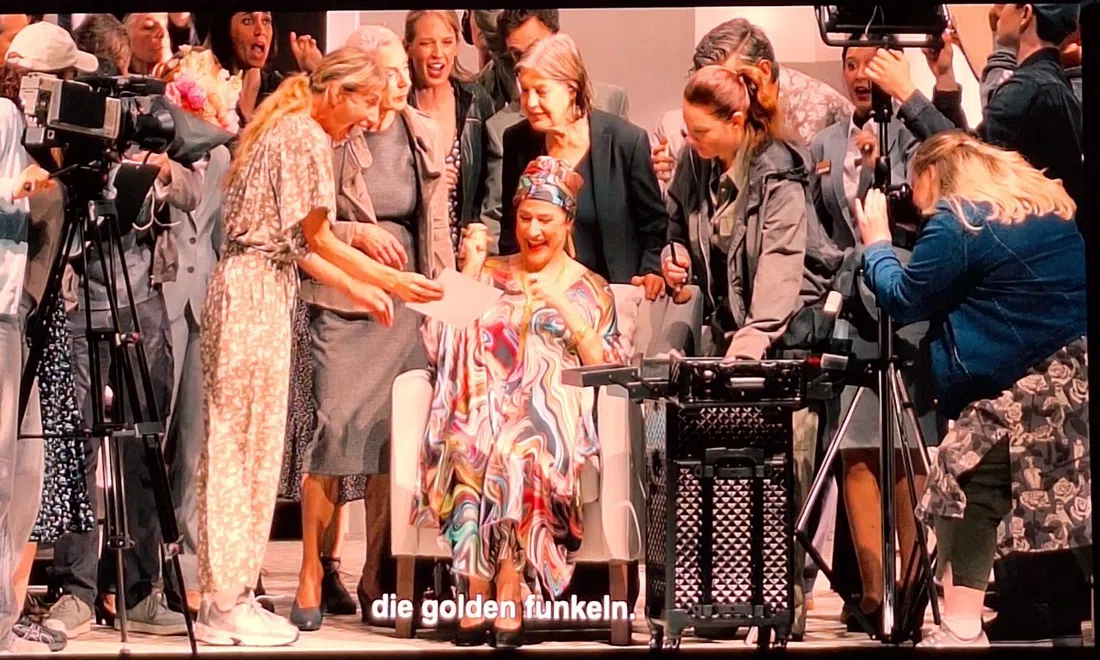
If the box office, the group desk and Neubaur have all drawn a blank — or if the budget simply doesn't stretch to festival prices — the Siemens Fest>Spiel>Nächte screenings on Kapitelplatz, just behind the cathedral, are the honest fallback and arguably the best-kept secret on this list. No booking, no admission charge, live and archive festival broadcasts projected nightly from 25 July to 30 August onto a big screen, with an informal standing and deckchair crowd. It's genuinely the most group-friendly option on this list for a party too large or too price-sensitive for indoor tickets, and it's also simply a pleasant way to spend a warm evening in the square with a Stiegl in hand, watching the same performance the people inside just paid €300 for.
Before the Curtain: Dinner and a Daytime Look at the Set
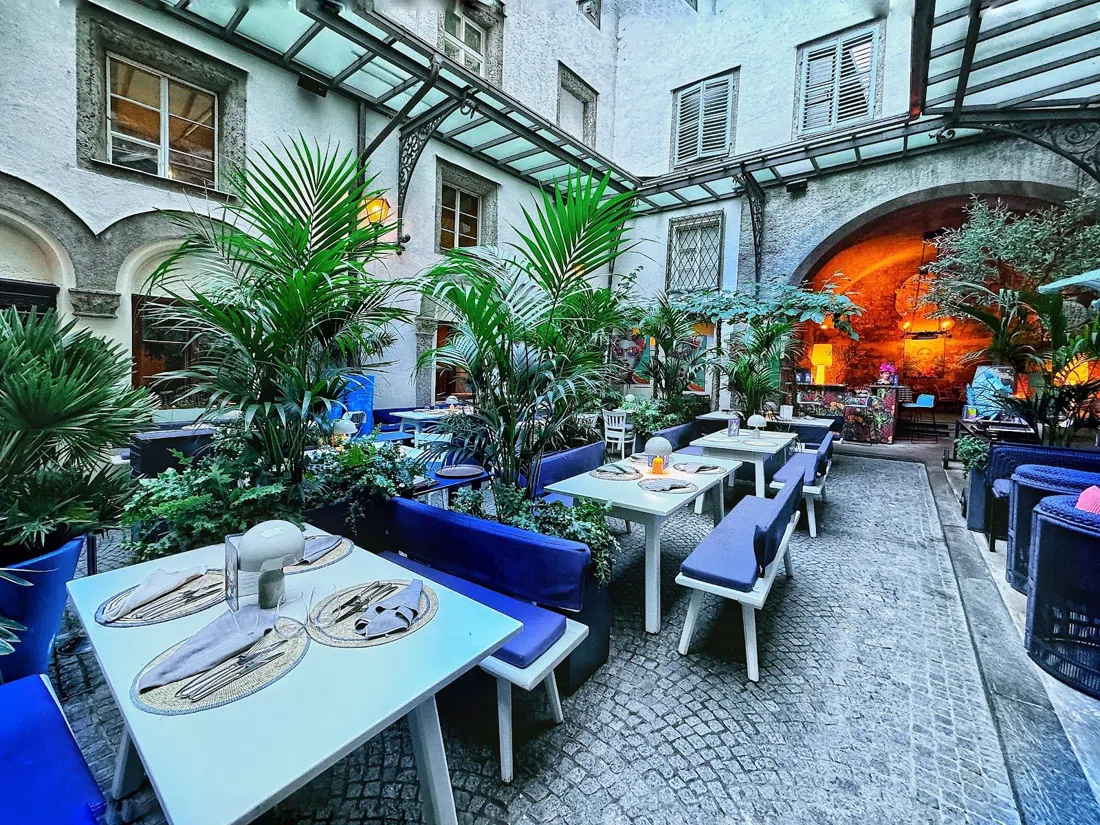
Two minutes from the festival halls, St. Peter Stiftskulinarium (St. Peter's Abbey, Altstadt) claims — credibly — to be Europe's oldest documented eating house, and it runs pre-theatre set menus timed to festival curtain calls, with group reservations available. Mains run roughly €25 to €45 (€€€), and it's the obvious dinner booking if you have a Jedermann or opera ticket for that evening: book the earlier sitting and you'll be seated with time to walk to Domplatz or Hofstallgasse without rushing.
For a rarer angle on the festival, the DomQuartier Salzburg (cathedral quarter museum and terrace) gives you a daytime view straight onto the Domplatz set before it's dressed for the evening performance — a good pairing with a ticket day, since you can see the stage empty in daylight and then packed and lit after dark. Standard museum group tickets and guided tours are available at €13 to €15. One practical note for 2026: some galleries run short scheduled closures in July and August, so check the day's notice board before planning a group visit around a specific room.
Getting In: Transport, Cash, Timing, Budget
The entire festival district — Domplatz, the Festspielhaus complex, the Kollegienkirche, Kapitelplatz — sits inside the compact Altstadt, walkable from most central accommodation in fifteen minutes or less; there's little reason to drive, and nowhere convenient to park if you do. If you're still choosing where to stay, start with a Salzburg hotel search and look specifically at the Altstadt or the Neustadt side of the river across the Salzach — both put you within walking distance of every venue on this list.
Carry cash. Day-of standing tickets on Domplatz are sold in person and cash remains the more reliable option at smaller box-office windows, even in a country that otherwise leans heavily on card payments. Arrive at least 30 minutes before any performance you have a seated ticket for — security and cloakroom queues at the Festspielhaus complex move slowly during peak festival weeks — and arrive far earlier than that, ideally an hour, if you're chasing day-of standing tickets for Jedermann, since the queue for the €10 spots forms well before the box office window opens.
Budget realistically: a single seated opera ticket at the top houses can run to €450, but a genuinely satisfying festival evening doesn't have to. A Haus für Mozart standing ticket at €25, a Kollegienkirche concert at €20-€90, or a free evening on Kapitelplatz with dinner at St. Peter Stiftskulinarium afterwards will all deliver the real thing without the four-figure week some visitors assume the festival requires. For the full rundown on where to eat, sleep and spend the rest of your time in the city outside festival hours, see the Salzburg guide.
The festival runs late July through the end of August, and the single biggest mistake a first-timer makes is arriving without a plan B — assuming Domplatz will simply have a ticket available on the night. It usually won't. Decide in advance whether you're chasing the full seated Jedermann experience, the €10 standing spot, or the free screen on Kapitelplatz, and build your evening — dinner, transport, timing — around whichever one you've actually got a realistic shot at.