The Salzburg issue
Where Time Slows Down: Inside Salzburg's Coffee-House Tradition
From Austria's oldest coffee house to a third-wave roaster and the birthplace of the real Mozartkugel — where to sit, what to order, and which rooms actually suit your group.
By Chiara MorettiMarket stalls, coffeehouses and the honest side of Salzburg's kitchens
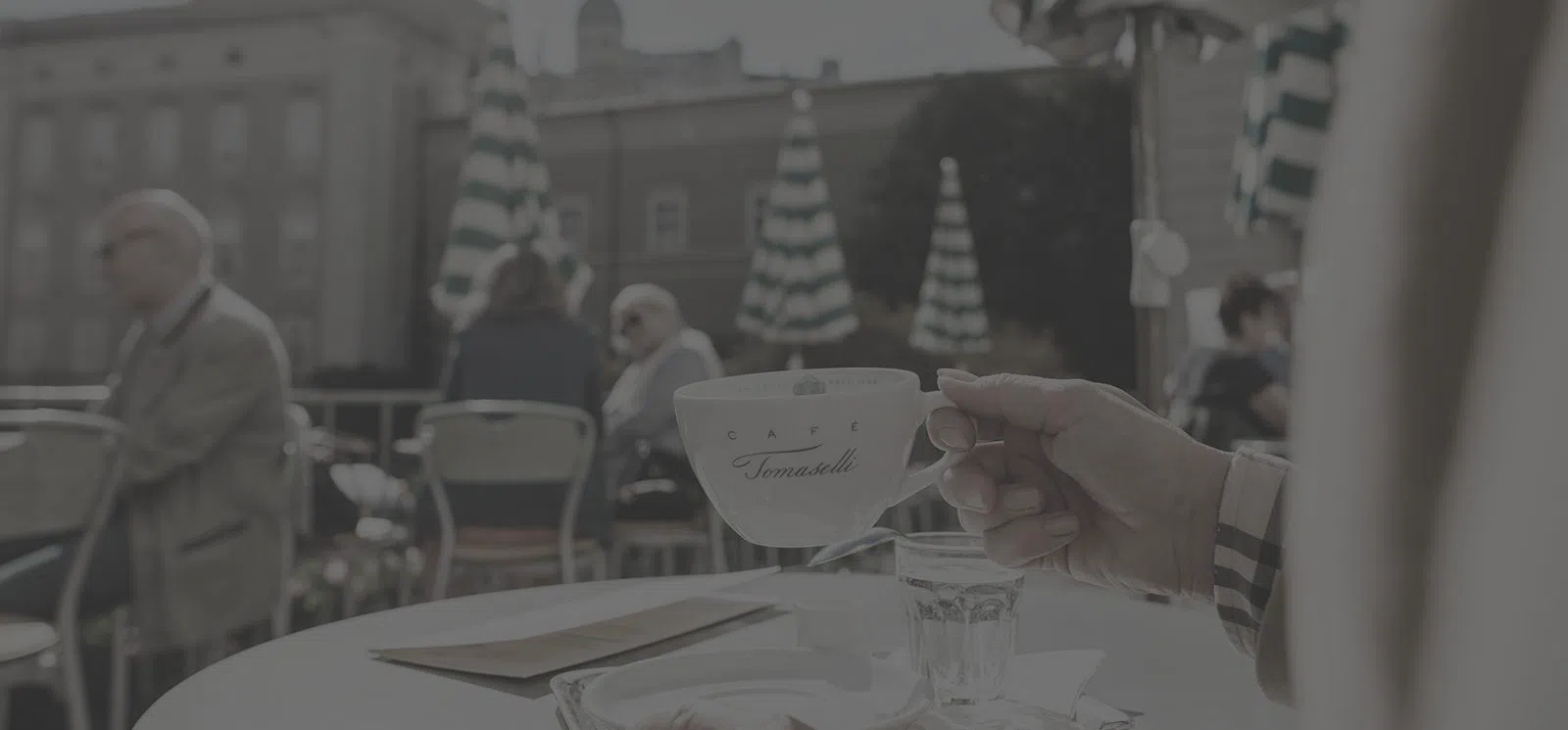
The first thing you notice in a real Salzburg coffee house is what's missing: the hurry. A waiter in a black waistcoat sets a small glass of water beside your Melange and then leaves you alone — for an hour, for the whole grey afternoon, for as long as the newspaper holds out. This is a city that made lingering into a civic art, and it has been practising the craft since 1700. What follows is not a list of pretty rooms but a working guide: which houses anchor the tradition, which terraces are worth the crowd, where the locals actually sit, and — honestly — which places can seat your group and which cannot.
The houses that anchor the tradition
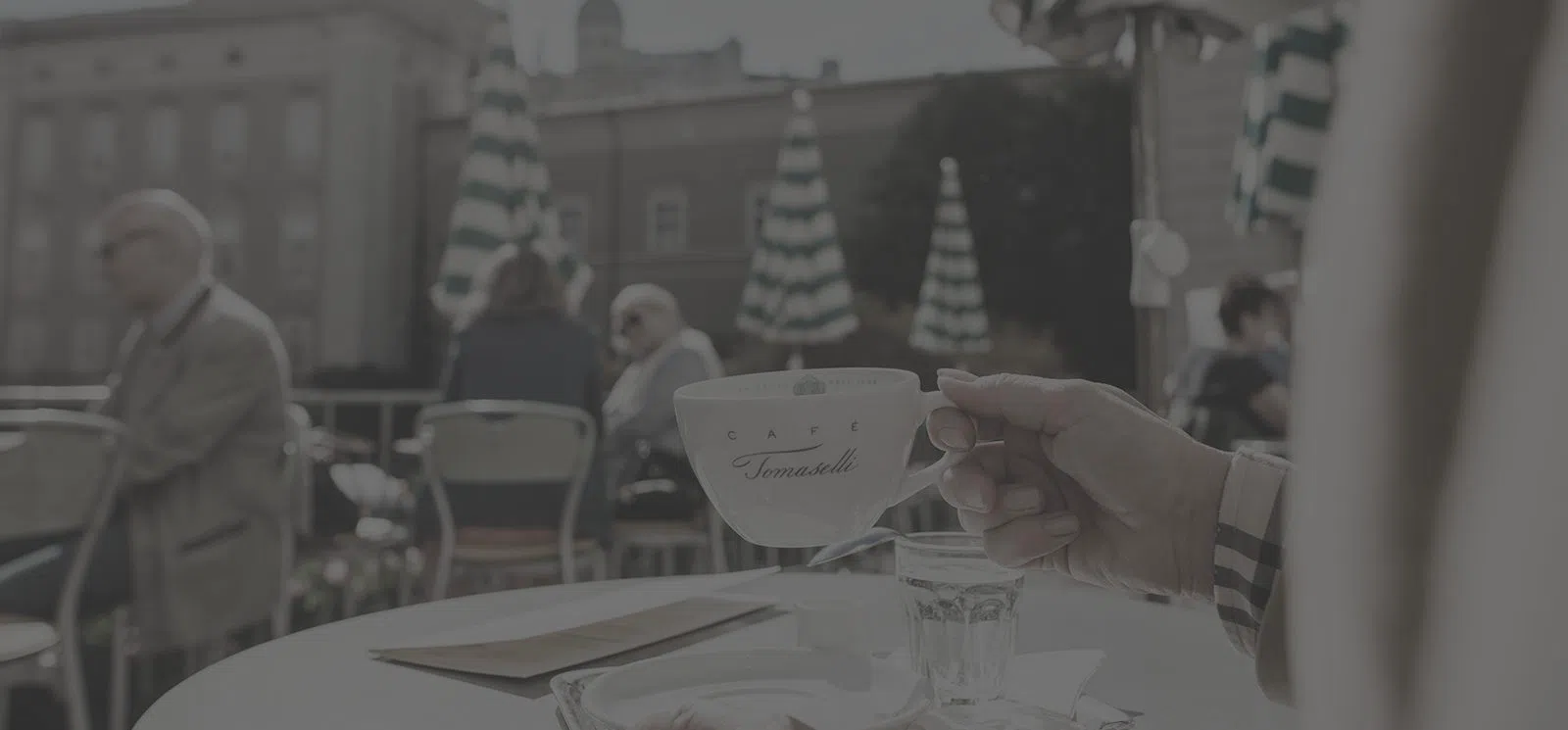
If you visit only one, make it Café Tomaselli (Alter Markt), and not out of obligation. Opened in 1700, it is Austria's oldest coffee house and was Mozart's own haunt — the definitive Salzburg anchor for anyone arriving without a map of the ritual. Order at the marble tables and a Kaffeefrau still circles with a tray of cakes so you can point rather than read; the Melange and a slice of Gugelhupf are the house classics. This is the rare grand address that genuinely takes groups: a large multi-room salon indoors plus a big terrace on the square. In festival season (July and August) it stretches its hours to 9pm and fills fast — reserve ahead if you are more than four, or you will be standing on the cobbles watching other people's coffee arrive. Reckon on €4–5 for coffee and €5–6 for cake; it is €€, and worth every cent for the sheer continuity of the thing.
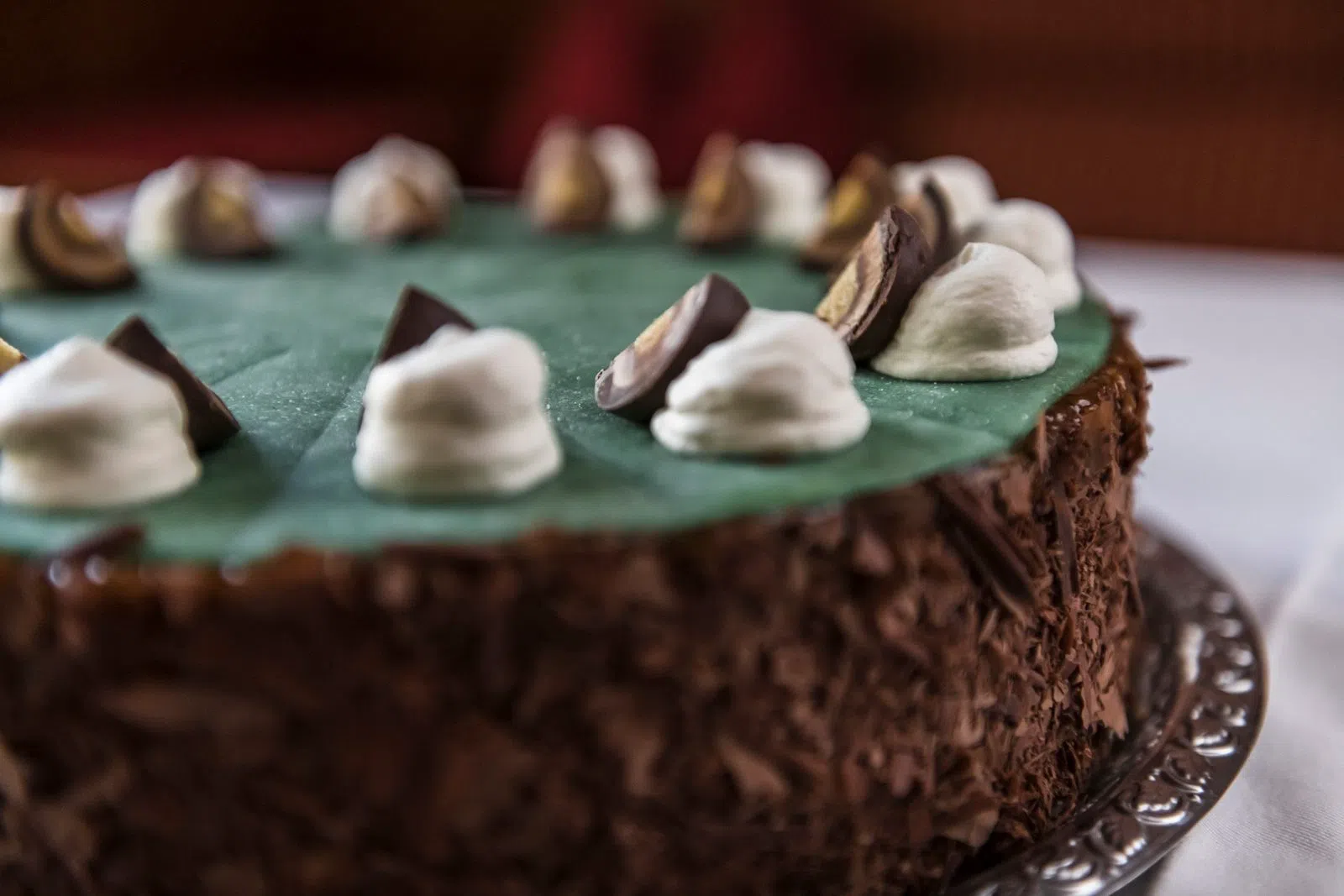
A few minutes away, tucked up a staircase above the tourist churn of Getreidegasse, Café Mozart (Old Town) is one of the oldest café addresses in town and one of the quieter escapes from the crush below. It is comfortable for a group upstairs and open late — to 9pm, daily — which makes it a reliable evening fallback when the day-trippers have gone. The kitchen leans into the sweet Salzburg canon: homemade strudel and, if you are lucky with timing, Salzburger Nockerl, the cloud of baked meringue that arrives looking like the three hills over the city. Coffee sits around €4, mains near €15; €€.
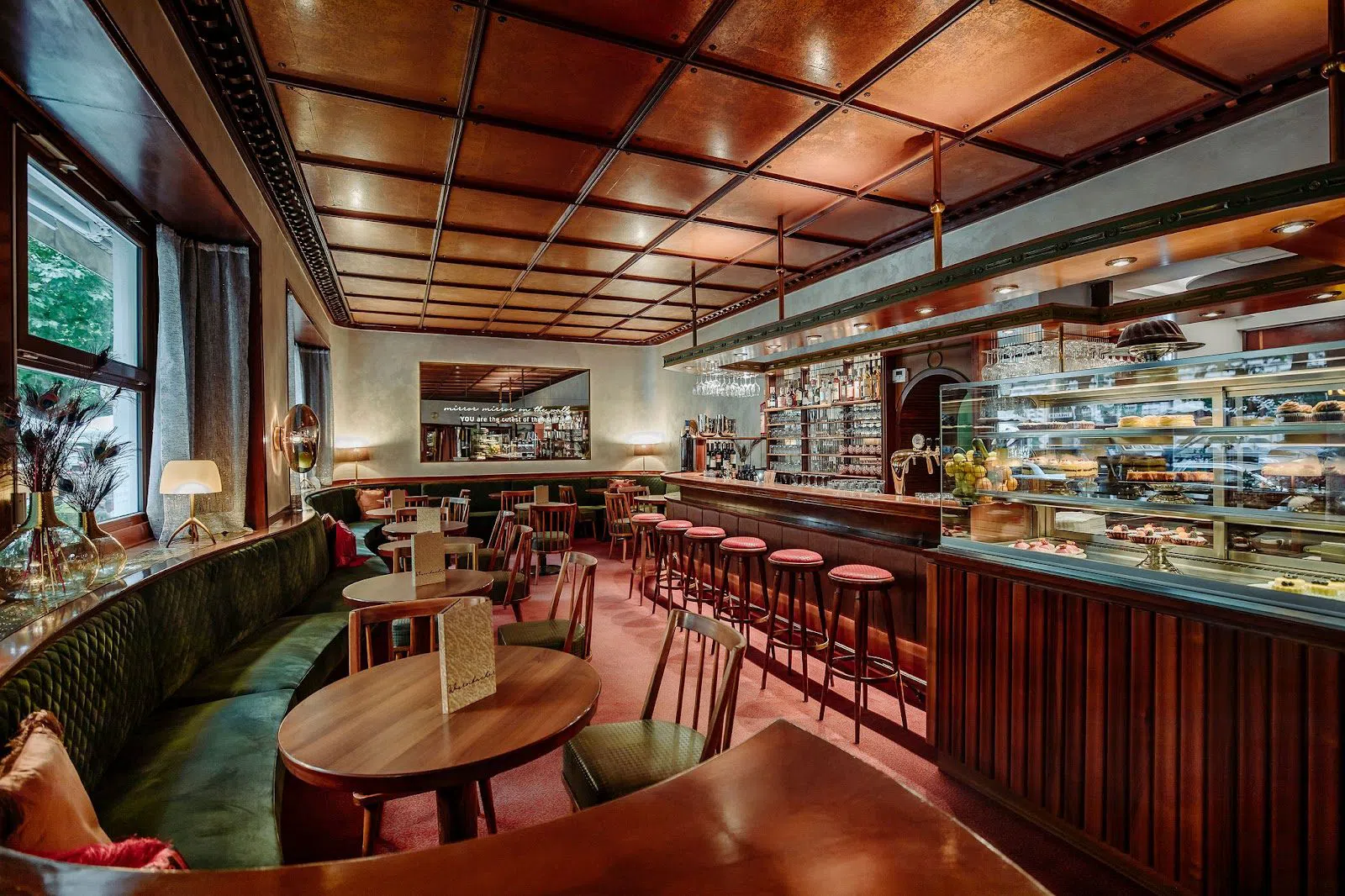
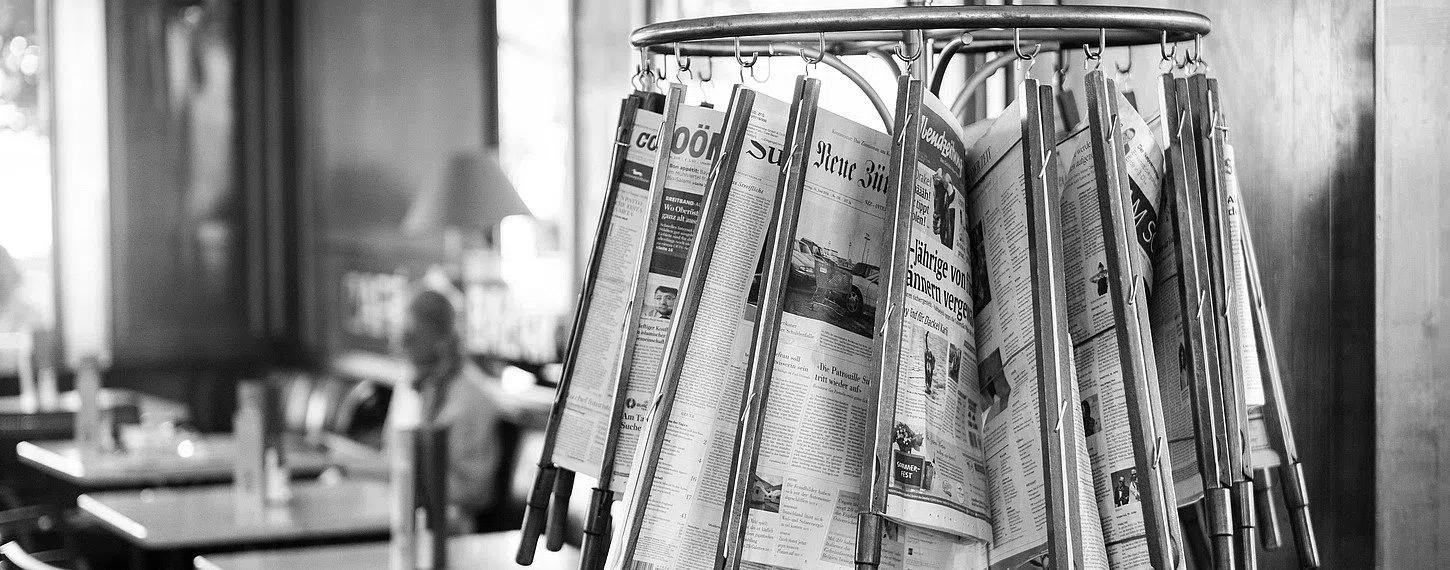
For the tradition stripped of its polish, cross to the newer side of the river and find Café Wernbacher (Franz-Josef-Straße). This is the most authentic surviving 'sit for hours with a newspaper' coffee house in Salzburg — roomy, unhurried, a little worn at the edges in exactly the right way. It is also a long-standing LGBTQ-friendly local hangout, and the welcome is genuine rather than performed. Groups are comfortable here and it stays open into the evening, so it doubles as a late meeting point. Come for atmosphere over gloss: coffee about €4, a set lunch around €12; €€. If your idea of the coffee house is a place to be rather than a place to photograph, this is your room.
Plan your Salzburg trip
Live prices from our booking partners.
Free cancellation on many rooms. We may earn a commission when you book.
Coffee with a view: the terraces
Salzburg's most photographed cup of coffee is poured at Café Bazar (Schwarzstraße), on the right bank of the Salzach. The artists-and-actors café since 1909 — Max Reinhardt and Stefan Zweig among its ghosts — it earns its fame from the terrace, which frames the Old Town and the fortress across the water like a postcard that happens to serve breakfast. The big riverside terrace handles groups well, which is unusual for a place this scenic. One firm warning, and please pass it on to anyone booking for a party: Bazar is cash-only. Bring euros, and bring enough — €4–5 a coffee adds up quickly across a table of eight, and there is no card machine to save you. €€.
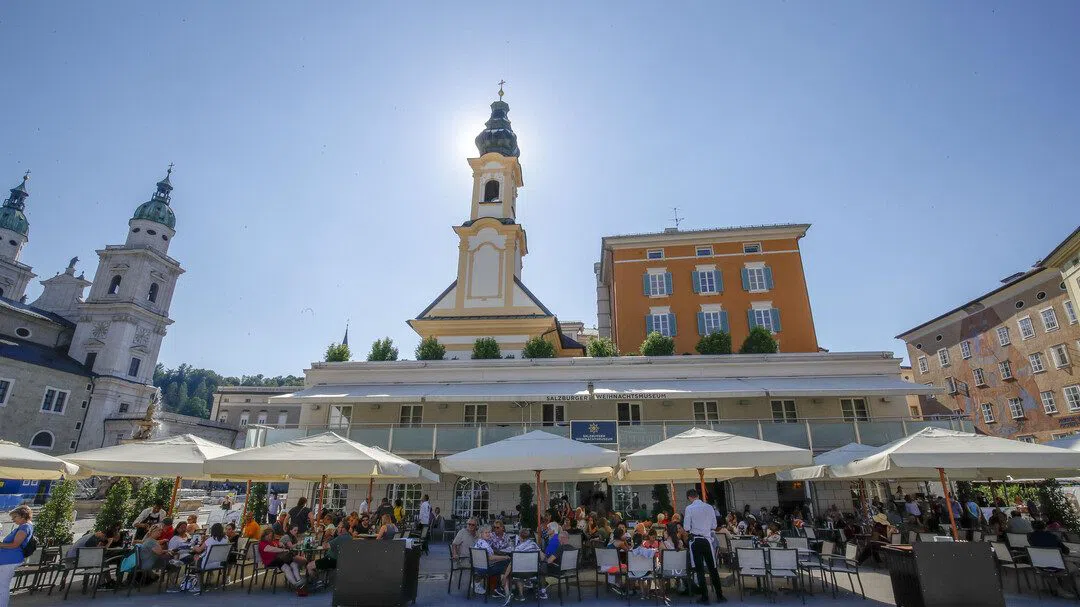
Back in the Old Town, Café Glockenspiel (Mozartplatz) commands one of the largest terraces in the centre, which makes it a genuinely practical choice for a bigger group who want to be outdoors and central at once. The perch over Mozartplatz is prime people-watching. I will be straight with you, though: as of 2026 the square itself is a live construction site, and the hoarding and machinery currently dent the ambience that would otherwise be the whole point. If the works are your view, take a table facing the café interior, or save this one for a return trip when Mozartplatz is itself again. Coffee runs €4–5; €€.
The sweet half of the ritual
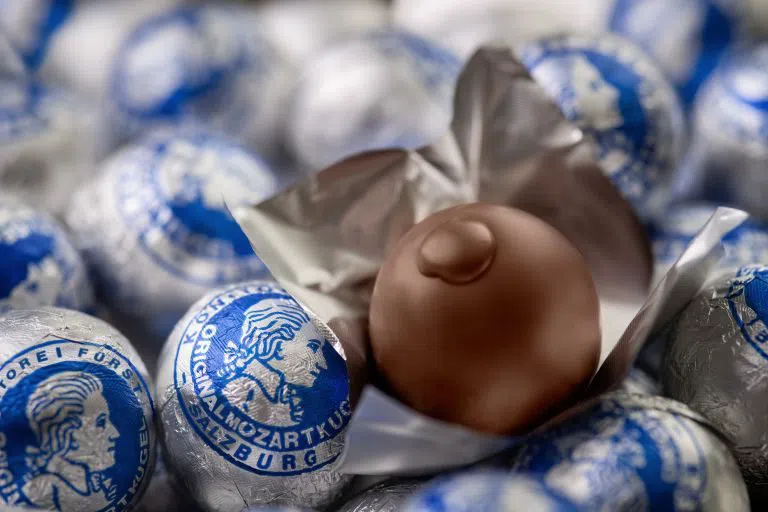
You cannot understand Salzburg coffee without the confectionery that grew up beside it, and the pilgrimage starts at Café-Konditorei Fürst (Alter Markt / Old Town). This is the birthplace of the genuine hand-made Mozartkugel — invented here in 1890, still rolled by hand, still wrapped in silver-and-blue foil. Every gold-wrapped ball you have seen in an airport is a mass-market impostor; the real one, faintly bittersweet with pistiacio marzipan and dark chocolate, is only Fürst. The café seating is small and best for a few people; if you are a crowd, route everyone to the counter for takeaway balls (about €1.60 each) rather than fighting for tables, and note there are several branches around town to spread the load. Coffee is around €4; €.
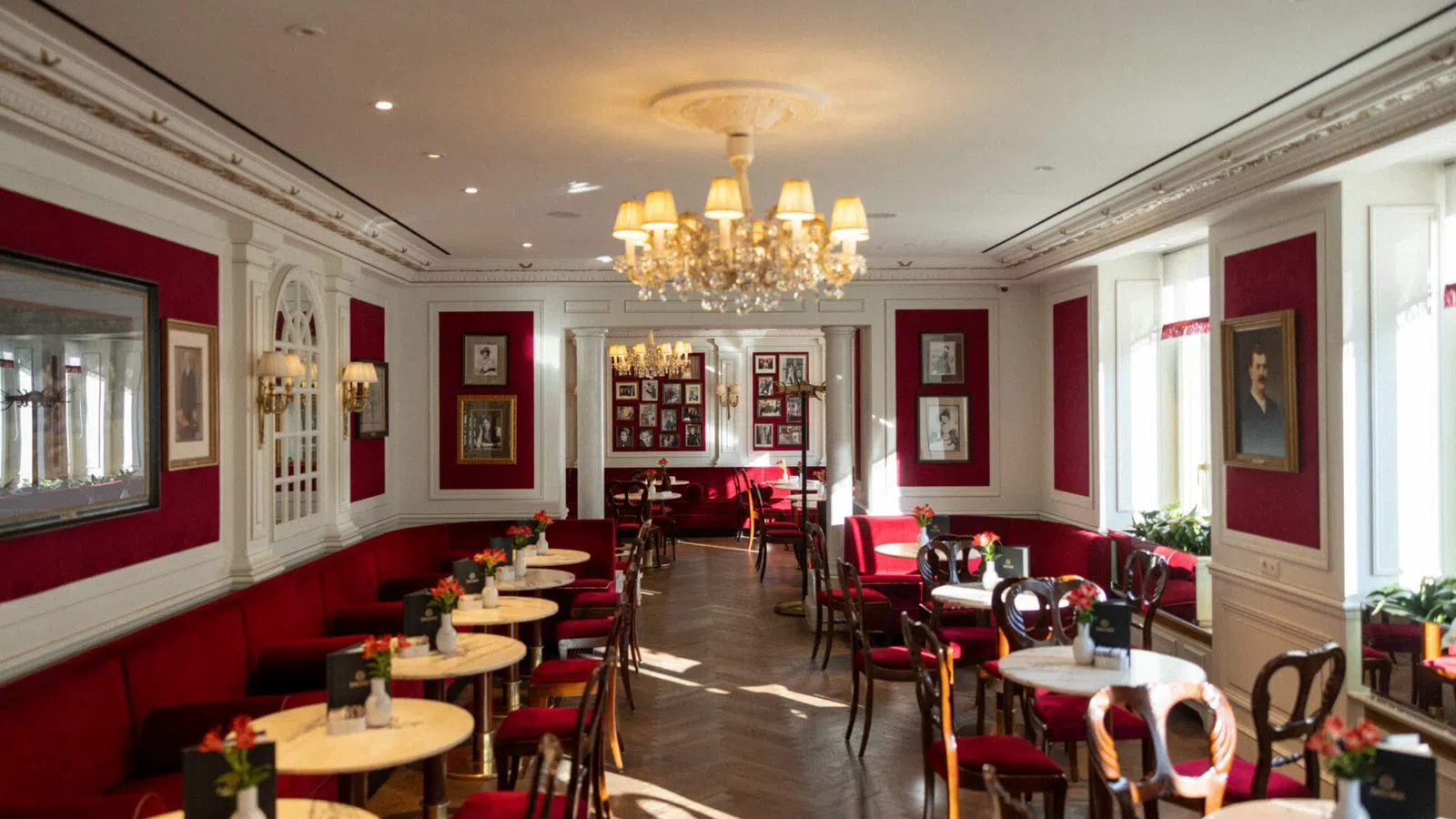
For the other great sweet of the German-speaking world, Café Sacher Salzburg (Schwarzstraße) holds the Original Sacher-Torte on the Salzburg side — the dense chocolate cake with its seam of apricot jam, served, as tradition demands, with unsweetened whipped cream to cut it. This is the most polished, high-end room on this list, a proper grand-hotel café, and it prices accordingly: a slice of torte with coffee lands around €13–15; €€€. It can seat a group because it is a hotel café, but a reservation is strongly advised and the setting rewards people who will dress for it — a splurge and a set-piece, not a spot for a scruffy, boisterous party.
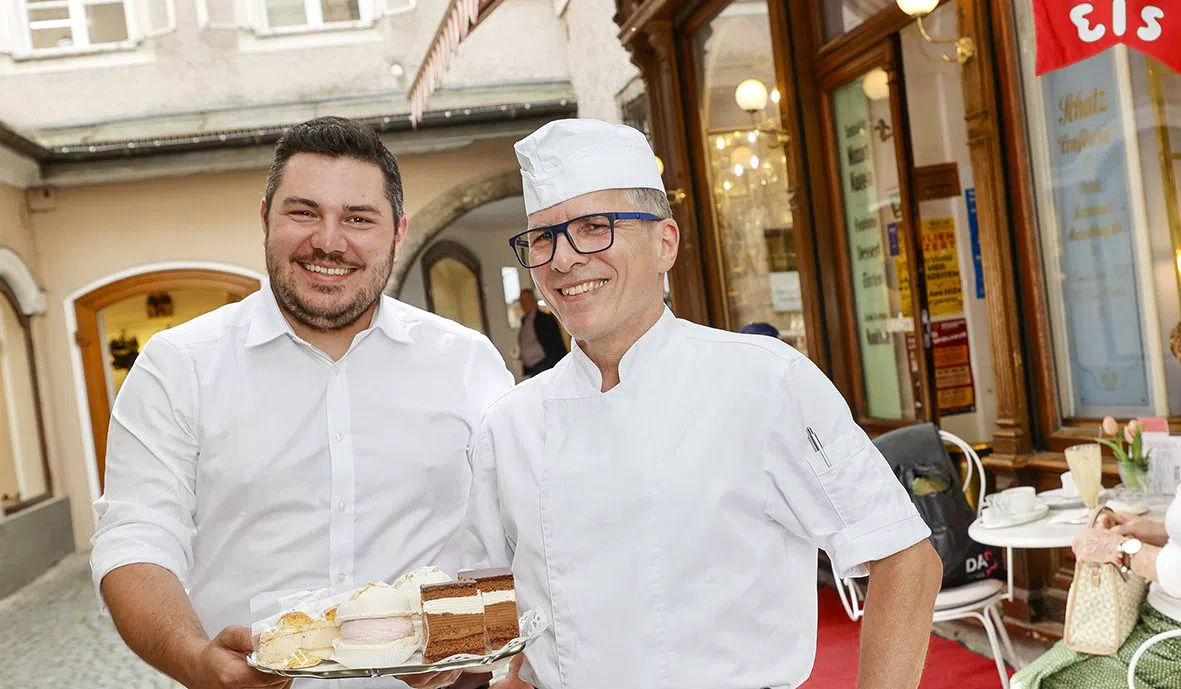
And then, for one or two people only, there is Konditorei Schatz (Schatz-Durchgang, Old Town) — a doll's-house-tiny café hidden in a Gothic arcade passage, with just seven tables. It is one of the most quietly magical pauses in the city for a solo traveller or a couple: a cake and a coffee for €8–10, cocooned in a stone passage most visitors walk straight past. I have to be blunt so you don't waste anyone's afternoon: this place cannot seat a group. If you are more than two, admire it, buy something at the counter, and take your sit-down coffee elsewhere.
Where Salzburgers actually sit
The locals' secret is not really a secret, but it is a short walk north of the Mirabell and Old Town core, which is enough to thin the crowd. Café Fingerlos (Franz-Josef-Straße) is a local institution for the long weekend breakfast — a generous spread and top-tier pastry from master confectioner Josef Fingerlos, whose counter alone is worth the detour. This is where Salzburgers go when they want the ritual without the tour groups. It is group-friendly and especially good for a leisurely morning table; breakfast runs €12–18 and a slice of cake around €5; €€. Book ahead for weekend mornings, when half the neighbourhood has the same idea.
The new guard: beans over ballrooms
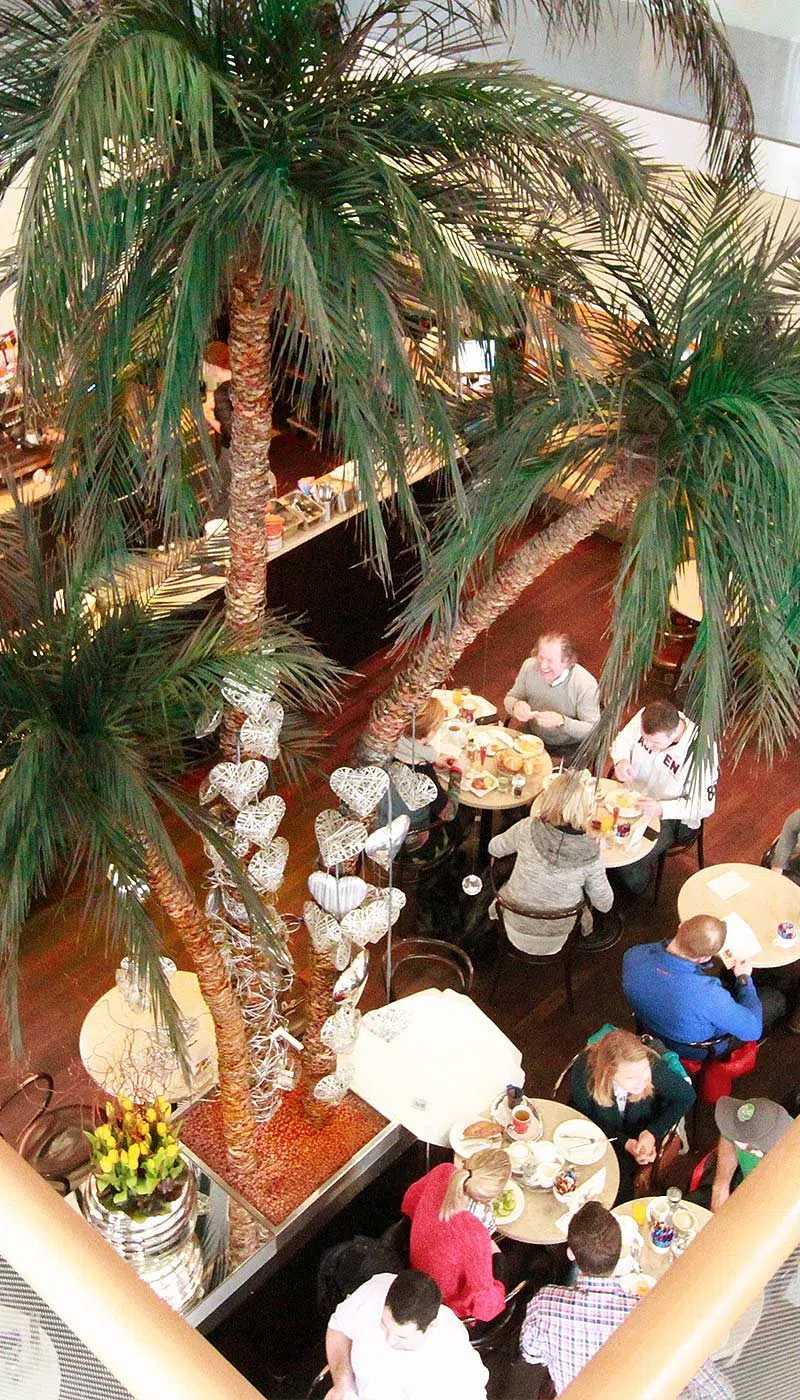
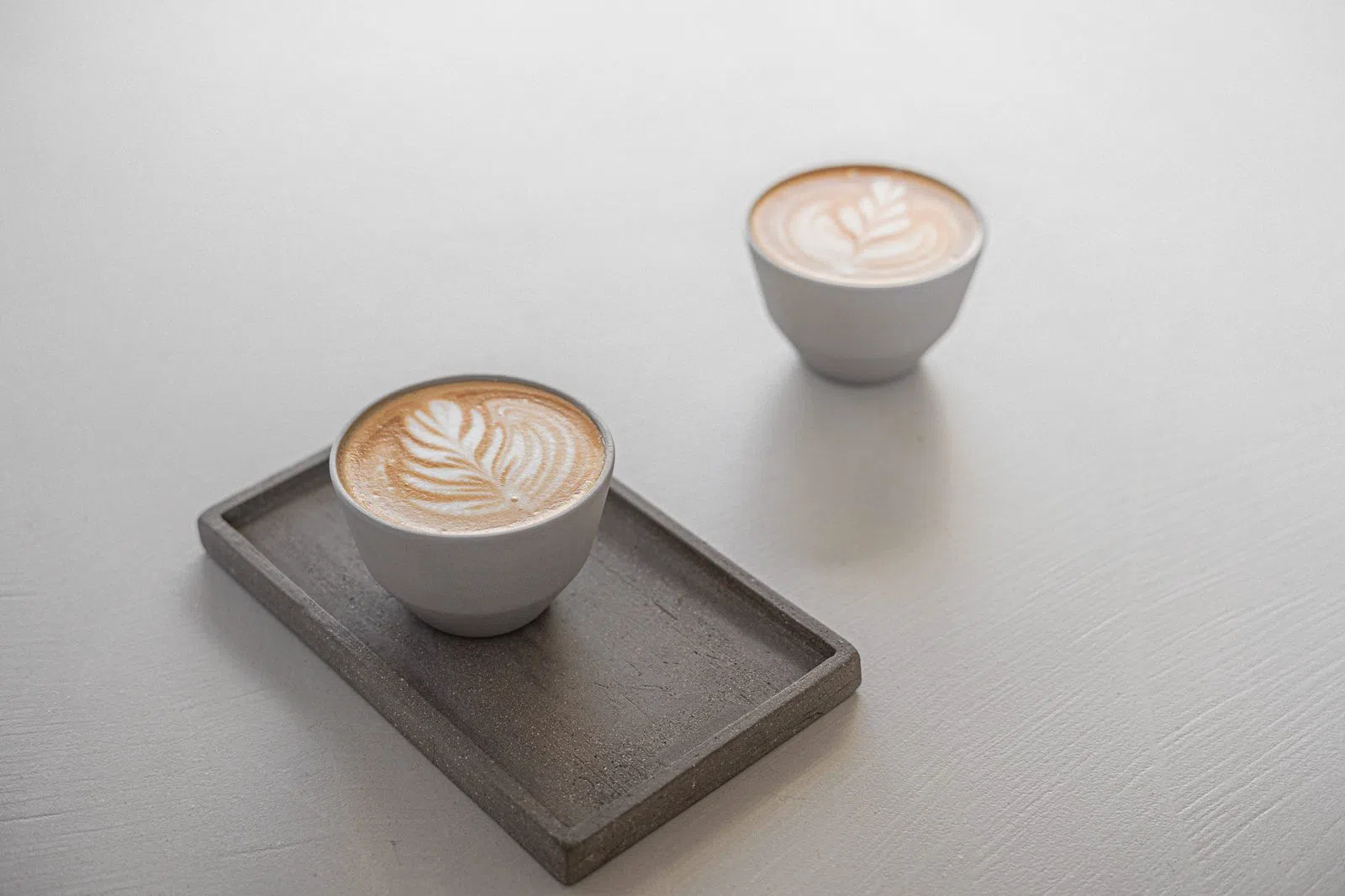
Not everyone comes to Salzburg for velvet banquettes, and the city's specialty scene now gives the grand houses a real counterpoint. Kaffee Alchemie (Rudolfskai) is Salzburg's leading third-wave roaster-café — the address for readers who care more about the bean than the ballroom, with carefully pulled espresso and single-origin filter served in a compact, contemporary space. That compactness is the catch: it is best for pairs and small groups, not a big party. A specialty coffee is €4–5; €€.
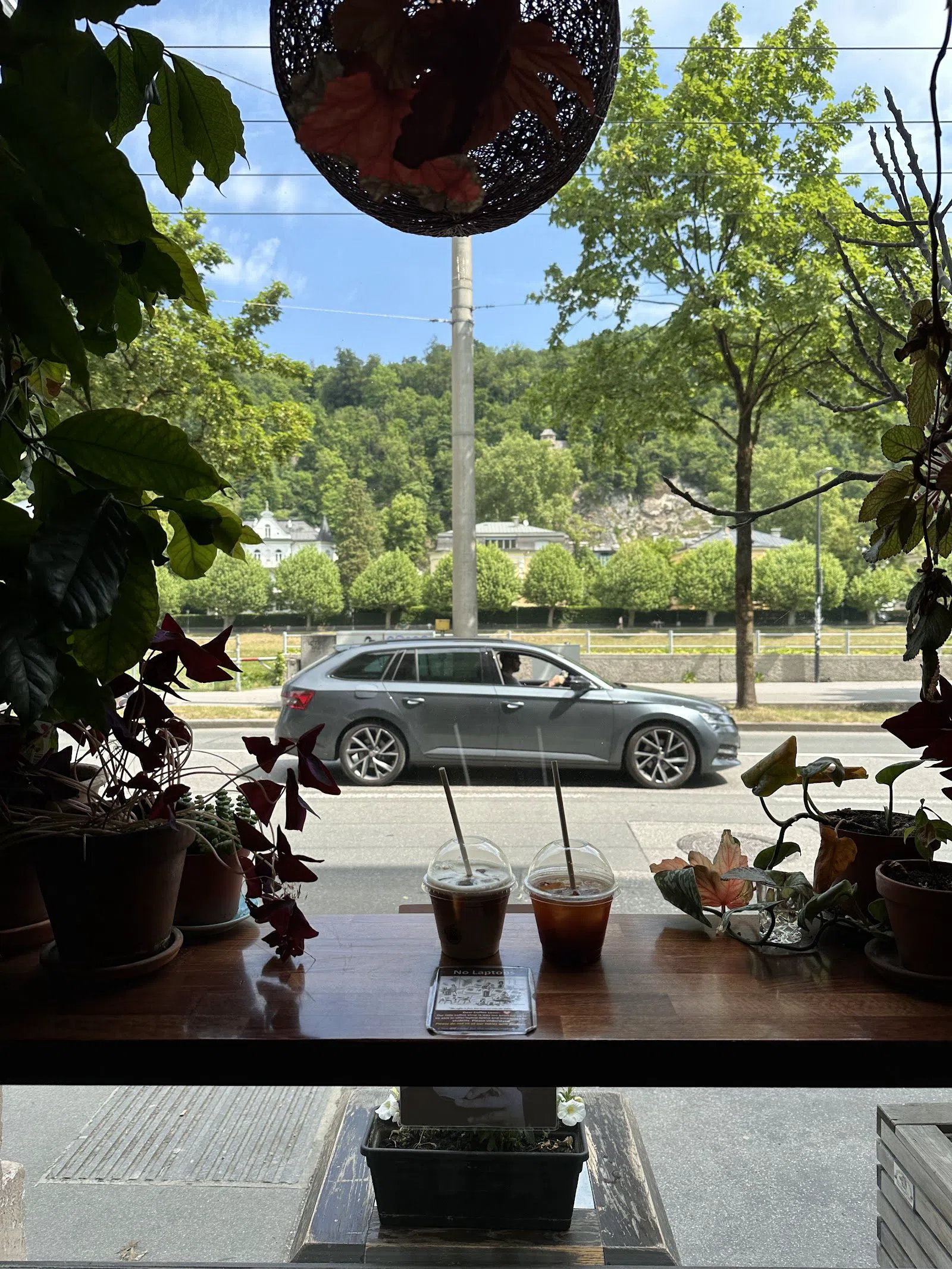
Salzburg's cult craft roaster, 220Grad (Rupertinum & Nonntal), is casual and largely group-tolerant, though the tables are small enough that a very large group should split across the room. One planning note for 2026: the original Chiemseegasse branch is closing at the end of this year, so aim instead for the Rupertinum café near the museum, the Nonntal location, or the Maxglan roastery if you want to see where the beans are actually turned. Coffee sits around €4; €€.
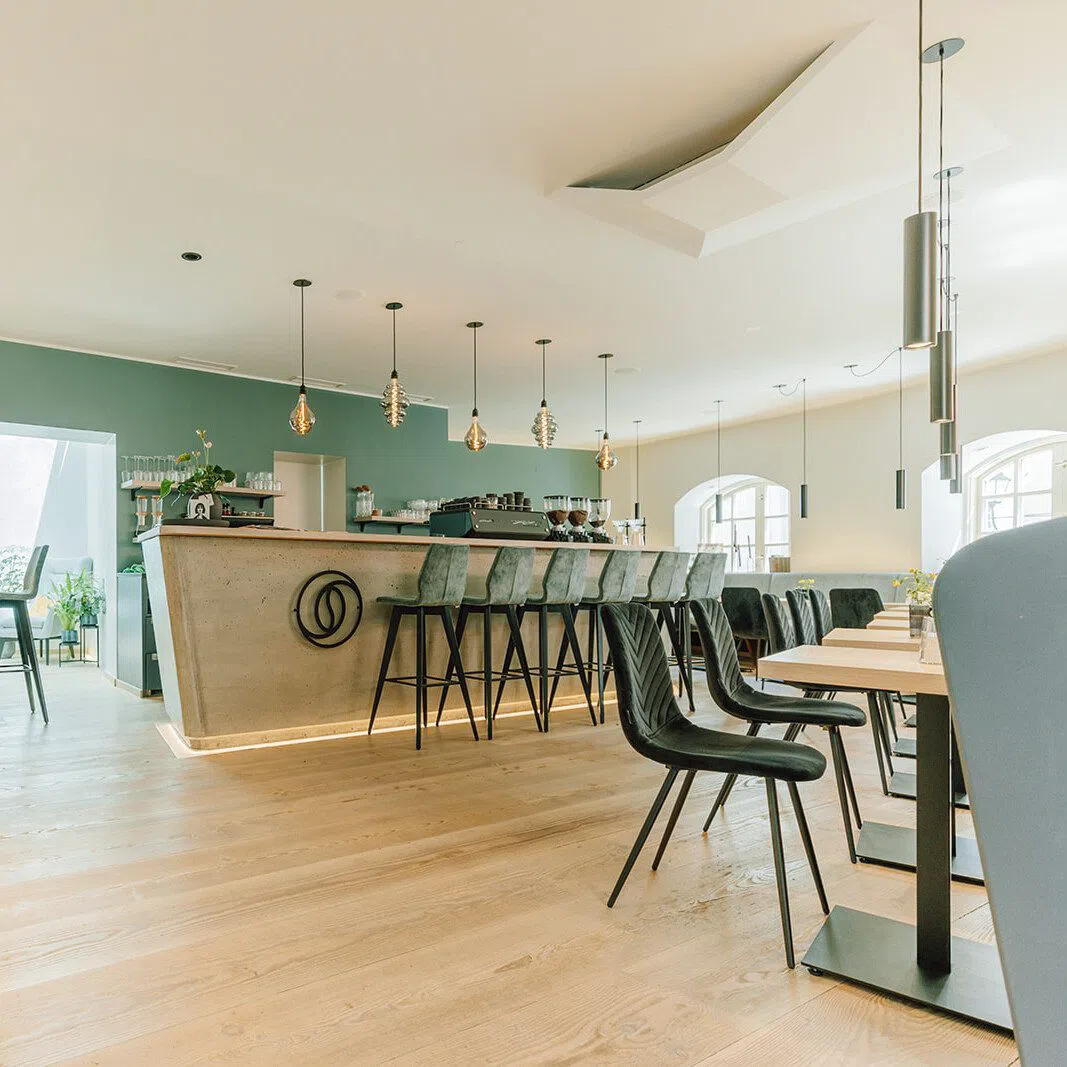
The Chiemseegasse address itself has not gone dark, mind you. Das Kaffeehaus by Hotel Melanie (Chiemseegasse, Old Town) is the tradition-minded newcomer, run by the four-star Hotel Melanie, that took over the old 220Grad spot in the core. It is open seven days, set up for groups and breakfast, and turns out strong homemade pastry and a reliable morning table right in the Old Town — a useful, central anchor when the historic houses are heaving. Breakfast €12–16, coffee about €4; €€.
Planning notes: cash, timing and groups
Cash. Card acceptance has improved across the city, but the tradition still runs on coins in places — Café Bazar is cash-only, and small confectioners and the specialty bars are happiest with cash for a single coffee. Carry €30–40 in notes and you will never be caught out.
Timing. The classic Salzburg coffee hour is the Jause, mid-afternoon, roughly 3–5pm — the sweet spot for cake and a quiet table. Mornings belong to the breakfast houses (Fingerlos, Das Kaffeehaus). During the Salzburg Festival in July and August the central houses extend to 9pm and fill completely; reserve for anything above four people, and expect the terraces to turn over slowly. Note the Mozartplatz construction if Glockenspiel's view matters to you.
Budget. A coffee-and-cake pause runs €8–12 at the traditional houses, dips to €4 for a takeaway Mozartkugel-and-espresso at Fürst, and climbs to €13–15 for the full Sacher-Torte set-piece. A specialty flat white is €4–5. Two proper coffee stops a day is a realistic, civilised rhythm and won't break €30.
Getting around. The Old Town is compact and walkable; nearly every venue here is within fifteen minutes on foot of Alter Markt, with only Fingerlos and Wernbacher a short stroll across the river into the newer quarter. Skip taxis — the pedestrian centre makes them slower than your own feet.
Groups vs couples, at a glance. For a party, steer toward Tomaselli, Bazar's terrace, Glockenspiel, Fingerlos, Wernbacher, Mozart (upstairs) and Das Kaffeehaus. For two, the jewels are Konditorei Schatz and Kaffee Alchemie. And route big crowds to Fürst's counter rather than its few tables.
For more on neighbourhoods, sights and where to eat between coffees, see the full Salzburg guide; to base yourself within walking distance of every café above, start your Salzburg hotel search. Then do the one thing this city asks of you: sit down, order a Melange, and let the afternoon go long.
Before you go
Which is the oldest and most traditional coffee house in Salzburg?
Café Tomaselli on Alter Markt, opened in 1700, is Austria's oldest coffee house and was Mozart's own haunt. It's the definitive anchor of the Salzburg tradition and, unusually for a historic house, genuinely handles groups across its multi-room salon and square terrace — though you should reserve ahead in festival season.
Where can I buy the original Mozartkugel in Salzburg?
Only at Café-Konditorei Fürst on Alter Markt, where the sweet was invented in 1890. The genuine, hand-made version comes wrapped in silver-and-blue foil — the gold-wrapped balls sold elsewhere are mass-market imitations. They cost about €1.60 each; for a group, buy from the counter rather than competing for the small café's few tables.
Which Salzburg coffee houses are cash-only?
Café Bazar, the famous riverside café since 1909, is cash-only, so bring enough euros for your whole table. Card acceptance has improved elsewhere in the city, but small confectioners and specialty coffee bars often still prefer cash for a single coffee — carrying €30–40 in notes covers you.
Which Salzburg café is best for a couple rather than a group?
Konditorei Schatz, a tiny café hidden in a Gothic arcade passage, has only seven tables and is magical for one or two people — but it genuinely cannot seat a group. Kaffee Alchemie, the city's leading specialty roaster-café, is also a compact space best suited to pairs and small parties.
When is the best time to experience the Salzburg coffee-house ritual?
The classic hour is the mid-afternoon Jause, roughly 3–5pm, ideal for cake and an unhurried table. Mornings suit the breakfast houses like Café Fingerlos and Das Kaffeehaus. During the July–August Salzburg Festival the central houses stay open to 9pm and fill up, so reserve ahead for groups larger than four.