
Salzburg
Salzburg is a city defined by its dramatic topography and a relentless commitment to high culture.
Guests & rooms
The Salzburg guide
An insider’s read on Salzburg
SSalzburg is a city defined by its dramatic topography and a relentless commitment to high culture.
For centuries, Salzburg was an independent church state ruled by powerful Prince-Archbishops who amassed immense wealth from the regional salt trade. These sovereign rulers bypassed local traditions to import Italian architects, transforming a cold alpine outpost into a northern stronghold of baroque architecture. This history of ecclesiastical power and wealth created a deeply conservative, highly aestheticized civic identity. Today, that legacy manifests as a meticulous preservation of historic spaces, balanced by a modern, self-aware arts scene that frequently challenges the city's traditionalist reputation.

PLATE ISalzburg, Austria

Guides & ideas
The Salzburg reading list
Hand-written guides from our editors — itineraries, the best of after dark, where to eat, and what’s genuinely worth your time.

What the Salzach Looks Like From a Kayak Seat
A paddler's-eye route through Salzburg's Altstadt bridges and quiet backwaters, from a guided SUP line under Mozartsteg to a two-day run downstream into Bavaria.
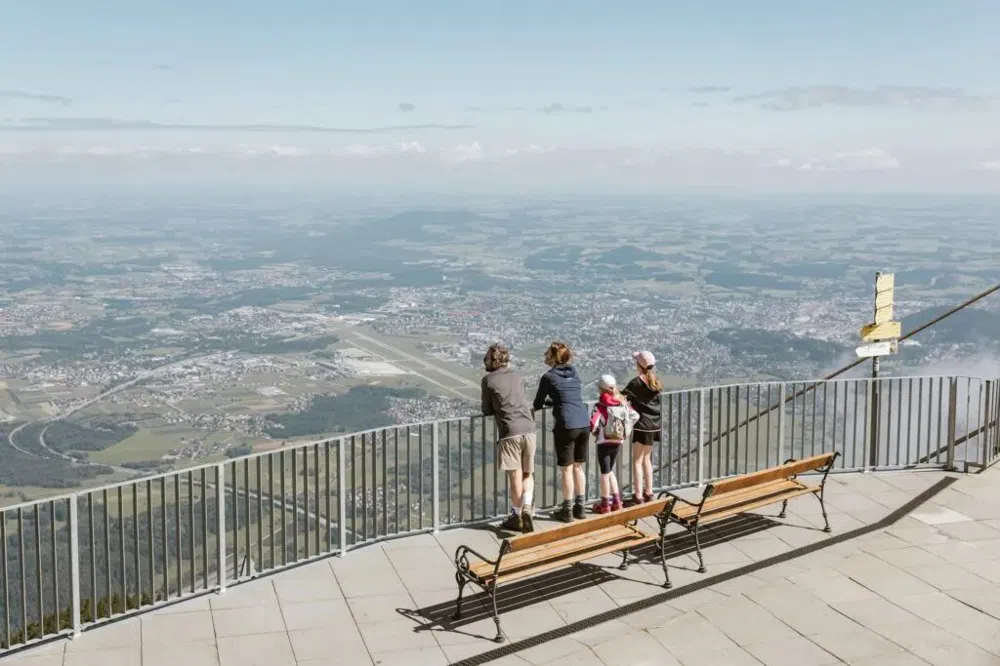
Hiking the Untersberg's Alpine Pastures Above Salzburg
A nine-minute cable car turns a working alpine pasture above Salzburg into a half-day escape from the fortress crowds, with routes for a lazy lunch, a proper traverse, or a guided circuit for anyone who'd rather not go it alone.
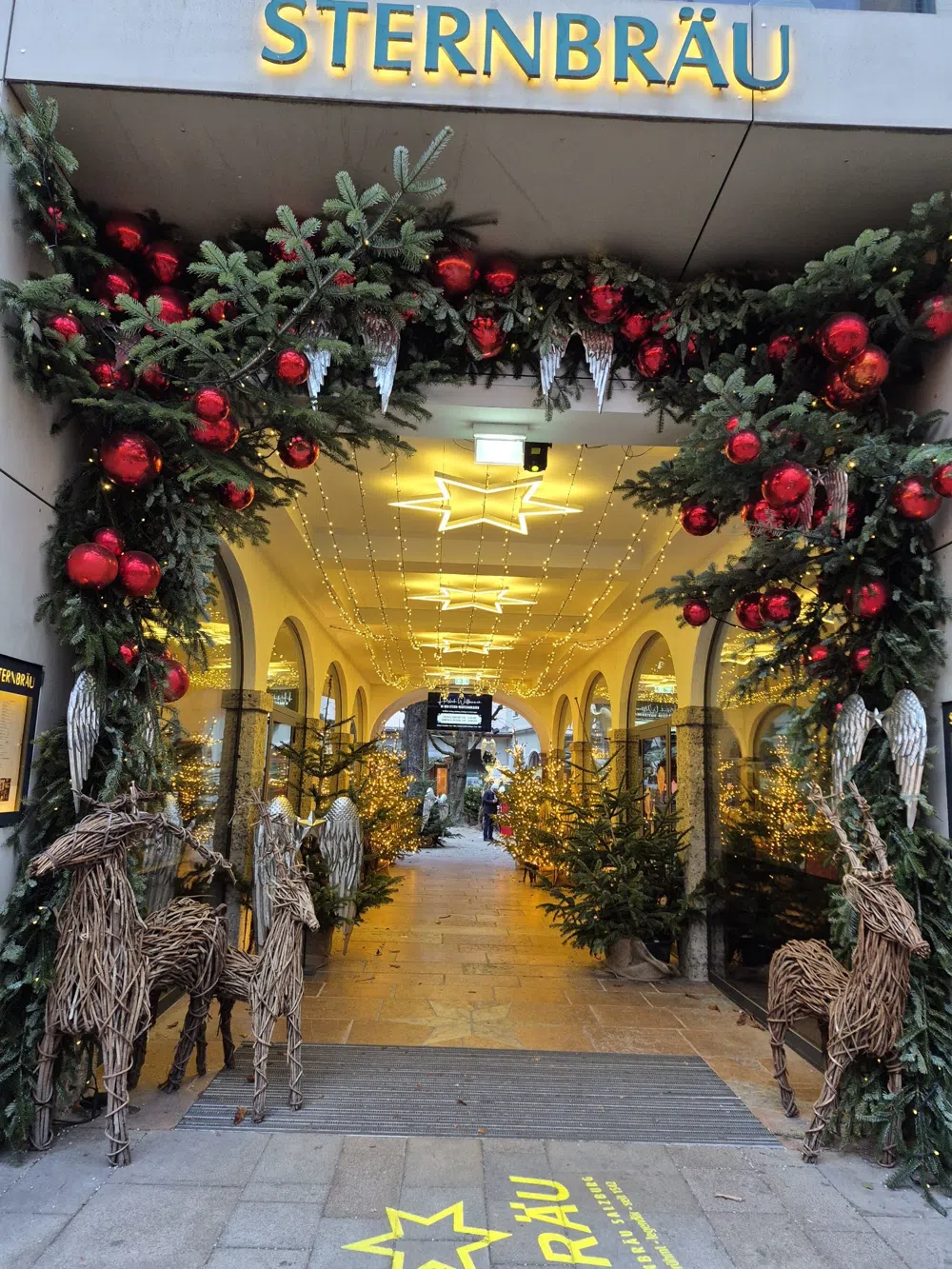
Salzburg's Christkindlmarkt After the Day-Trippers Leave
As dusk clears Residenzplatz of coach groups, Salzburg's Christmas market turns candlelit and local — here's how to spend the after-dark hours in 2026.
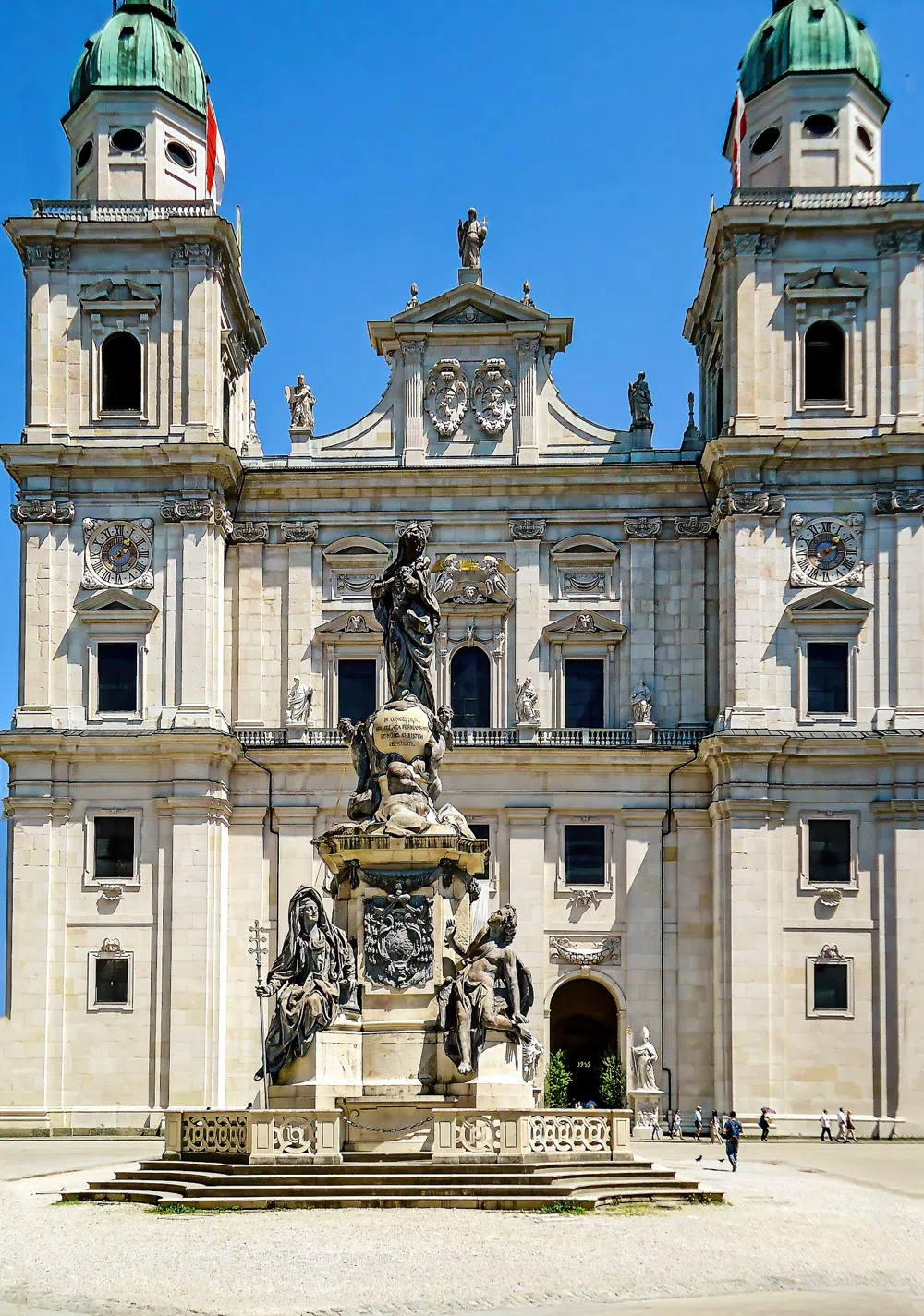
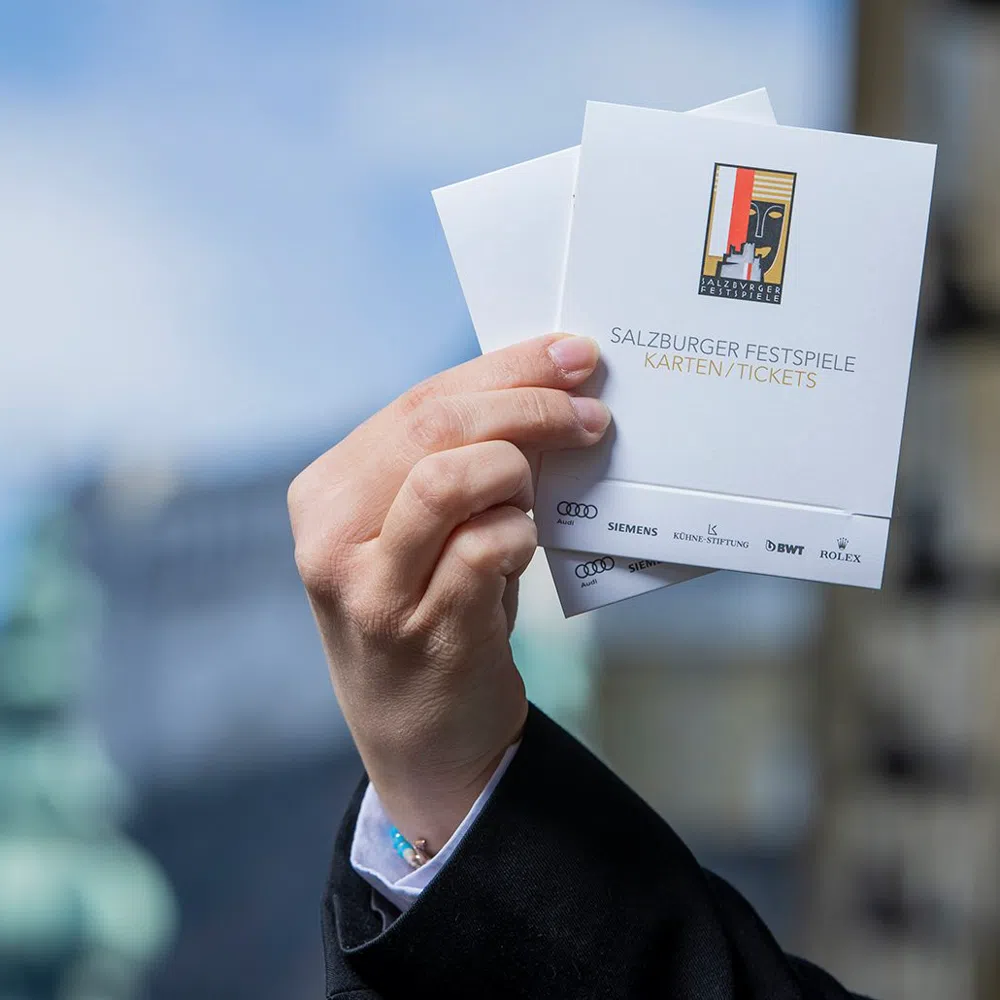
Cracking Salzburg's Festival: Tickets, Standing Room, Jedermann
How to actually get into the Salzburg Festival in 2026 — from the ticket office queue at dawn to a €10 standing spot for Jedermann on Domplatz.
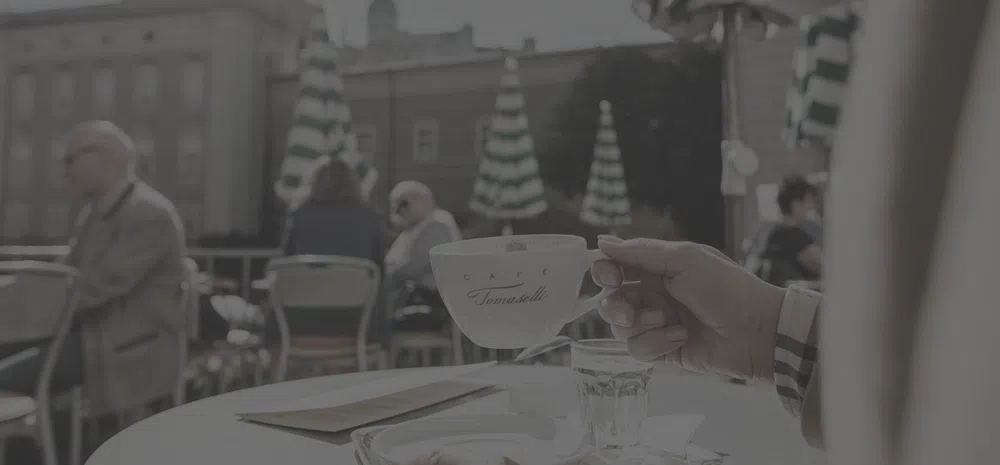
Where Time Slows Down: Inside Salzburg's Coffee-House Tradition
From Austria's oldest coffee house to a third-wave roaster and the birthplace of the real Mozartkugel — where to sit, what to order, and which rooms actually suit your group.
Beyond Mozart: Salzburg's Living Soundtrack
The city that trades on one composer has a far richer, year-round music life — from Wagner at Easter to free jazz in October — and here's how to hear it, whoever you're travelling with.
Where to base yourself
The neighborhoods
01
Altstadt
For First-time visitors who want to be steps from major historic sites. The trade-off is high tourist density and quiet streets after dark.
The medieval and baroque heart of the city, packed with narrow stone alleys, grand squares, and historic guild signs.
Where to stay — Historic luxury hotels and converted medieval inns dominate this area.
02

Andräviertel
For Travelers seeking a neighborhood vibe with excellent cafes and markets. The trade-off is a lack of medieval architecture.
A grand 19th-century residential district characterized by wide avenues, elegant townhouses, and a distinct local feel.
Where to stay — Boutique design hotels and eco-conscious guesthouses.
03
Nonntal
For Those looking for a peaceful stay close to nature and creative dining options. The trade-off is a steep walk to reach the Altstadt.
A quiet, green district sitting directly beneath the southern cliffs of the fortress hill, blending historic monastic life with university energy.
Where to stay — Mid-range family-run pensions and modern apartments.
04
Mülln
For Beer enthusiasts and travelers looking for a slightly gritty, authentic local atmosphere. The trade-off is limited shopping and nightlife outside of the main beer hall.
A historic working-class and brewing quarter located north of the Altstadt, defined by its traditional beer culture.
Where to stay — Traditional guesthouses and budget-friendly hotels.
05
Elisabeth-Vorstadt
For Budget travelers and those planning frequent day trips by train. The trade-off is a lack of historic charm and a sterile evening atmosphere.
The practical transit hub surrounding the main railway station, characterized by modern post-war architecture.
Where to stay — Large international chain hotels and budget hostels.
06
Riedenburg
For Families and travelers seeking quiet luxury away from the crowds. The trade-off is a 15-minute walk to the center through a historic tunnel.
An upscale, quiet residential neighborhood bordered by the Rainberg hill, featuring grand villas and leafy streets.
Where to stay — High-end boutique hotels and quiet apartments.
Book direct
Book a hotel in Salzburg
Loading live availability and real-time prices…
Where to eat
Dining
Fischkrieg
€€Altstadt
A casual, modern fish bistro serving incredibly fresh local catch in an unpretentious setting.
Signature — Grilled local trout with mountain herb butter.
St. Peter Stiftskulinarium
€€€€Altstadt
Housed within a monastery, this historic venue serves refined alpine lake fish in a dramatic stone courtyard.
Signature — Salt-crusted local lake char.
Schloss Aigen
€€€Aigen
Located on the city outskirts, this elegant estate features fresh brook trout kept in their own natural spring waters until ordered.
Signature — Pan-fried brook trout 'Müllerin'.
El Gaucho
€€€Altstadt
A sleek, modern steakhouse offering premium cuts of dry-aged beef cooked on an open grill.
Signature — Dry-aged ribeye steak.
Humboldt Bio-Restaurant
€€Altstadt
Focuses strictly on organic, ethically sourced regional meats and wild game from local hunters.
Signature — Organic venison steak with juniper berry reduction.
Senns Restaurant
€€€€Schallmoos
A high-end culinary destination located in a former bell foundry, known for precise, intense meat preparations.
Signature — Roasted pigeon with beetroot and dark cocoa.
Bärenwirt
€€Mülln
Serving traditional tavern fare since 1663, this local institution is famous for its crispy poultry.
Signature — Crispy fried chicken (Backhendl) served in a wooden bowl.
Gasthof Goldgasse
€€€Altstadt
Elevated Austrian classics served in a narrow medieval alleyway with a focus on historical recipes.
Signature — Salzburger Nockerl.
Zum Eulenspiegel
€€€Altstadt
A multi-story historic townhouse with open fireplaces, serving excellent regional game and stews.
Signature — Venison goulash with bread dumplings.
Ikarus
€€€€Hangar-7
Located in a futuristic glass hangar, this unique restaurant hosts a different world-class guest chef every month.
Signature — The monthly rotating guest chef tasting menu.
Esszimmer
€€€€Mülln
Chef Andreas Kaiblinger delivers highly creative, modern European cuisine in a sleek, intimate dining room.
Signature — Sweetbreads with wild chanterelles.
The Glass Garden
€€€€Mönchsberg
Set inside a striking glass dome on the cliffside, offering panoramic views and innovative plant-forward plates.
Signature — Slow-cooked organic egg with black truffle.
Balkan Grill Walter
€Altstadt
A tiny, legendary passageway stall that has been serving Salzburg's original spiced sausage sandwich since 1950.
Signature — The Original Bosna (spiced pork sausage with onions and curry powder).
Augustiner Bräustübl Schmankerlgang
€Mülln
A deli-style corridor inside the historic beer hall where you can buy cheap local cold cuts, pork belly, and giant pretzels.
Signature — Crispy pork belly with crackling and horseradish.
Wilder Mann
€Altstadt
A rustic, no-nonsense tavern serving massive portions of traditional Austrian comfort food at very low prices.
Signature — Beef goulash with bread dumplings.
GustaV
€Andräviertel
A cozy, fully vegan cafe serving exceptional breakfasts, sandwiches, and cold-pressed juices.
Signature — Smoked tofu and avocado bagel.
Organic Pizza Salzburg
€€Schallmoos
An organic pizzeria offering a massive selection of creative vegan cheeses and plant-based meat alternatives.
Signature — Vegan spicy salami pizza with cashew-based mozzarella.
After dark
Nightlife
Half Moon
Altstadt
A long-running underground club set in a stone cellar, playing a mix of house and electronic music.
Soda Club
Altstadt
A popular underground spot catering to the city's student population with regular theme nights.
City Beats
Altstadt
A multi-level club featuring different music zones, from commercial charts to electronic beats.
Steinterrasse
Neustadt
An iconic rooftop bar offering sweeping views over the river and the illuminated fortress.
Mentor's Bar
Altstadt
An intimate, speakeasy-style cocktail bar with highly skilled bartenders crafting bespoke drinks.
Darwin's
Altstadt
A modern cocktail bar located right next to the river, known for its extensive and creative mixology menu.
Jazzit
Elisabeth-Vorstadt
A legendary jazz club hosting local and international acts, with famous open jam sessions on Tuesdays.
Rockhouse
Schallmoos
A gritty, brick-walled venue hosting rock, indie, and alternative bands in an old cavernous space.
Szene Salzburg
Altstadt
A cultural center hosting contemporary music, experimental theater, and indie gigs.
Art & history
Culture
Museum der Moderne Mönchsberg
Mönchsberg
A striking minimalist building of local marble housing world-class modern and contemporary art exhibitions.
DomQuartier
Altstadt
A massive baroque palace complex linking the Cathedral and the Residenz, showcasing state rooms and church treasures.
Mozarts Geburtshaus
Altstadt
The actual townhouse where Mozart was born, containing original instruments, letters, and portraits.
Festung Hohensalzburg
Mönchsberg
One of Europe's largest fully preserved medieval castles, offering commanding views over the entire valley.
Schloss Hellbrunn
Süd
A 17th-century pleasure palace famous for its mischievous, hidden trick fountains designed to soak guests.
Mirabell Palace & Gardens
Neustadt
A baroque masterpiece featuring geometric flowerbeds, mythological statues, and views of the fortress.
Galerie Thaddaeus Ropac
Neustadt
An internationally renowned contemporary art gallery housed in the historic Villa Kast.
Leica Gallery Salzburg
Gneis
A sleek gallery space dedicated entirely to high-end, historic and contemporary photography.
Residenzgalerie
Altstadt
An outstanding collection of European paintings from the 16th to the 19th centuries, focusing on Dutch masters.
Book ahead
Top-rated experiences in Salzburg

Hallstatt from Salzburg - 6-hour private Tour
from $407

Hallstatt and The Eagle's Nest
from $543

Kickbike Tour - discovering the city in a fun and active way
from $41

Private Eagle's Nest and Berchtesgaden Tour
from $449

Mozart Violin Sonatas St. Peter Romanesque Hall
from $33

Apple Strudel and Austrian Pastries - with Salzburg Fortress View
from $93

Private Tandem Paragliding Werfenweng Mt Bischling
from $233

Private Bavarian Alps & Eagle’s Nest Day Trip from Salzburg
from $898
Prices from Viator; we may earn a commission when you book — at no extra cost to you. Tours are sold and operated by Viator, the merchant of record. Ratings are collected by Viator and Tripadvisor.
Timing
When to visit
Spring
Crisp mountain air and blooming public gardens. The Easter Festival brings world-class classical music, while tourist crowds remain manageable.
Summer
The city is flooded with global arts patrons for the Salzburg Festival. Accommodation prices skyrocket, and reservations are mandatory months in advance.
Autumn
Golden foliage on the Mönchsberg and the lively Rupertikirtag folk festival in September. The weather is ideal for hiking the surrounding peaks.
Winter
The historic squares fill with the scent of roasted chestnuts and spiced wine during the traditional Christmas markets. Snowfall transforms the baroque roofs.
What it costs
Budgeting
Logistics
Getting around
From the airport
Salzburg Airport is located just four kilometers west of the city center. Trolleybus Line 2 and Line 10 run every 10 to 15 minutes directly to the main railway station and the city center, taking approximately 20 minutes.
Public transit
The city relies on an exceptionally punctual network of electric trolleybuses (Obus). Tickets can be purchased at tobacco shops (Trafik) or directly from the driver for a slightly higher fare.
Passes & tickets
The Salzburg Card is highly recommended. It offers unlimited transit and free admission to almost all major attractions for a flat rate in the €€ band.
On foot
The historic core is entirely pedestrianized and highly compact. Walking is the most efficient way to explore the Altstadt and Neustadt.
Travel smart
Safety & etiquette
Local etiquette
- •Cash is highly preferred in traditional taverns and cafes; always ask 'Zahlen mit Karte?' before ordering if you don't have cash.
- •Tipping is expected: round up the bill by roughly 5-10% and state the total amount you wish to pay directly to the server rather than leaving cash on the table.
- •Sunday is a strict day of rest; almost all shops, supermarkets, and many restaurants are closed.
From the ground
Practical tips
1
Avoid buying Mozartkugeln (Mozart chocolates) from tourist shops; head to Café Konditorei Fürst for the original, hand-rolled silver-and-blue wrapped versions.
2
The tap water in Salzburg comes directly from alpine springs and is exceptionally clean and delicious; carry a reusable bottle and fill it at any public fountain.
3
If visiting the Augustiner Bräustübl, you are allowed to bring your own picnic food as long as you buy your drinks from the brewery.
4
The Schranne weekly market takes place every Thursday morning in front of St. Andrew’s Church; it is the best place to sample local cheeses, cured meats, and fresh pretzels.
5
When dining at traditional Wirtshäuser, look for the 'Mittagsmenü' (lunch menu), which offers two courses for a fraction of the dinner price.
6
If you plan to hike the Untersberg, check the live webcam at the valley station before heading out, as the summit can be completely shrouded in cloud even if the city is sunny.
Salzburg FAQs
Do I need to book Salzburg Festival tickets far in advance?
Yes, tickets for the summer festival sell out months ahead, though standing room tickets are sometimes released on the day of the performance.
Is the Salzburg Card worth the money?
Yes, if you plan to visit the fortress, Hellbrunn Palace, and use public transit, the card pays for itself within a single day.
Can I see the Sound of Music filming locations without a tour?
Yes, Mirabell Gardens, Nonnberg Abbey, and Leopoldskron Palace are easily accessible on foot or by public bus.
What is the best way to get to the fortress?
The Festungsbahn funicular from the Festungsgassee is the fastest route, but walking up the steep footpath via Nonnberg offers better views and is free.
Are shops open on Sundays in Salzburg?
No, Austrian law mandates that almost all retail shops close on Sundays, except for a few souvenir shops and convenience stores at the train station.