
The slide is the part nobody warns you about properly. You are a long way inside the Dürrnberg in borrowed overalls, the air holding a flat 10°C regardless of what the weather is doing outside, and a guide points at a polished timber chute that working miners used as a staircase for centuries. Sit astride it, hands clear of the sides, go. In October, with fog pooling in the valley below Hallein and half the hillside closing for the season around you, Salzwelten Salzburg (Bad Dürrnberg, on the hill above Hallein) stops being one attraction among many and becomes the most reliable thing on the mountain.
What you do down there
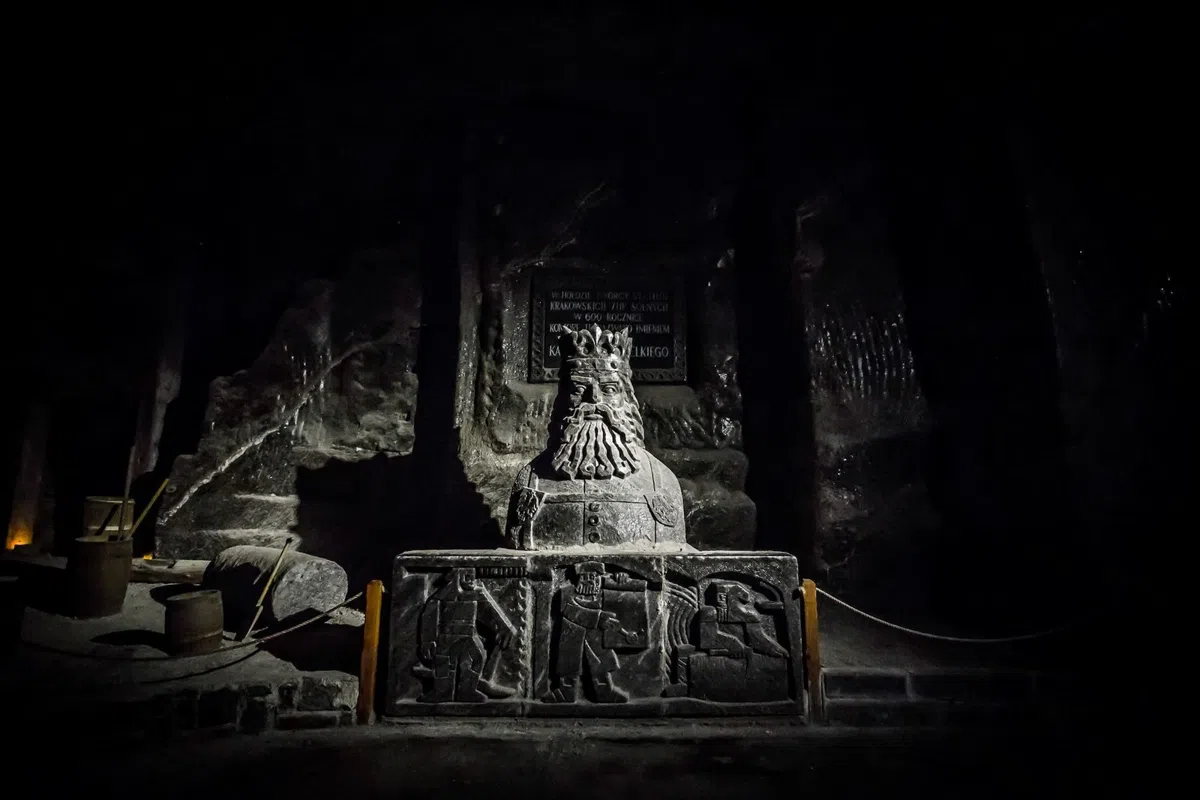
The tour begins in a changing room rather than a tunnel. You pull protective overalls on over your own clothes. They keep salt-grey dust off your coat, and they make a group of strangers look like a shift about to clock on. Then you sit astride a narrow mine train, legs either side, and it carries you several hundred metres into the hillside. Salt has been cut out of this mountain for well over two thousand years; the Celts were working the Dürrnberg long before the archbishops turned brine into state revenue, and the tunnel you ride in on is not a reconstruction of anything.
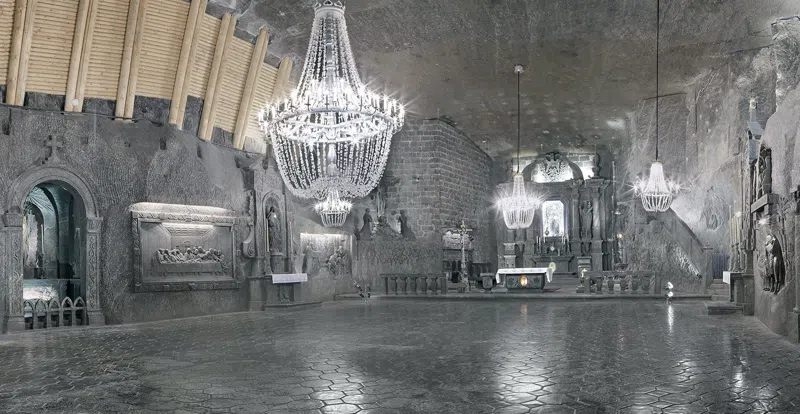
Inside, the route alternates between walking galleries, staged chambers that explain how brine was pumped, piped and boiled down, and the two things everyone remembers afterwards. The first is the slides: long wooden chutes, polished by generations of backsides, set at a gentler angle than they look from the top. You go in pairs, sitting upright, feet first, hands off the rails, and the descent lasts a few seconds that feel considerably longer. The second is the salt lake, a flooded chamber crossed on a flat raft, lit so the water reads as a black mirror with the rock ceiling doubled in it. Somewhere along the way the tunnel crosses an international border underground, which the guides enjoy pointing out and which you only get in a mountain worked this long.
Commentary comes through headsets in a long list of languages, so nobody is left guessing at the history. The same ticket covers the reconstructed Celtic village at the pithead: small, open-air, worth twenty minutes in dry weather and skippable in rain.
How long it takes and the hour to pick
Budget two hours on site and you will not feel hurried. The underground portion runs somewhere between seventy and ninety minutes depending on the size and pace of your group; add a quarter of an hour at the start for tickets, overalls and waiting for a departure, and another twenty minutes if you want the village.
Tours leave in timed batches rather than continuously, which is the thing to know before you set out. Arrive ten minutes after a departure and you wait for the next one. Arrive for the first slots of the morning and you are in a thin group with a guide who has time to answer questions properly. The October pattern is dependable. Late morning to early afternoon is when the coaches and school parties land, because that is when a day trip out of the city naturally arrives. So either be there at opening, or come after about three o'clock, when the midday wave has drained away and the light outside is doing something worth looking at on the walk back down.
Weekdays beat weekends comfortably. The stretch to treat with suspicion is the week bracketed by the national holiday on 26 October and All Saints on 1 November, when Austrian families are off work and school and a warm, weather-proof mine is the obvious answer for all of them at once.
The slides, the cold and who should sit them out
That 10°C is constant, so dress for a cold cellar and not for the valley. Long trousers and a jumper under the overalls, plus closed shoes with some grip. The galleries and the raft landing are damp, and smooth-soled boots are a nuisance on both. Thin socks are a mistake.
The slides are the mine's signature and its one real filter. You need to be able to sit down on the floor and get up again unaided. Recent back or neck trouble, late pregnancy, or any real worry about a short uncontrolled descent are all good reasons to say so to your guide at the top of the chute rather than halfway down it, before the group bunches up behind you. There is a minimum age for children, and small children are the party most often turned away at the counter, so check the current age rule on the operator's own page the week you travel rather than discovering it at the pithead with a toddler in tow.
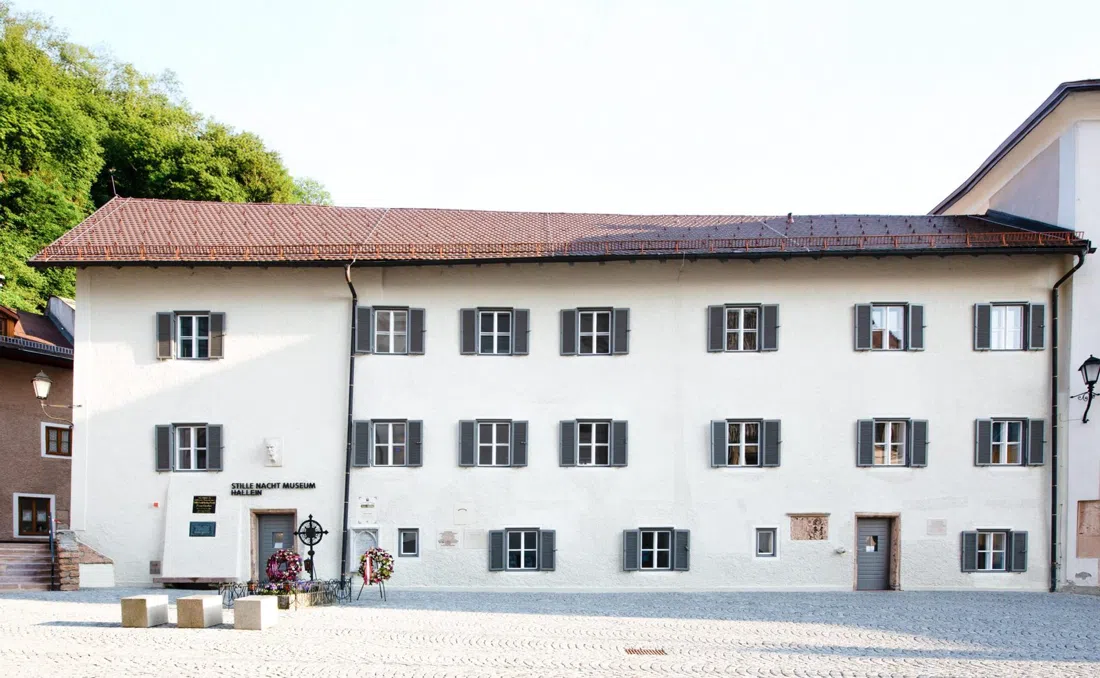
The mine is not barrier-free. The train, the galleries and the slides together rule it out for wheelchair users and make it a poor choice for anyone with significant mobility limits. If that describes someone in your group, split the morning instead of writing the day off. The Stille Nacht Museum Hallein (Hallein old town) is fully barrier-free with braille captions and a tablet sign-language guide, at €6.50 adult, €5 reduced, €3.50 for ages 7–26 and €13 for a family, with school groups at €3 a head and free entry for disabled visitors plus one companion. It is a small house, so a large party has to go in shifts, and it opens Friday to Tuesday 10:00–17:00 and closes Wednesday and Thursday. Confirm the day before you plan around it.
Tickets at the pithead against a booked seat
There are 68 traveller reviews across the bookable tours that take in this mine, and the top-rated one holds 5.0 out of 5 from 23 reviews, so the guided day out is well liked by the people who take it. It is also priced like a private car with a driver for a full day, from 1021 USD per person, and it is flagged as likely to sell out, which is the one honest argument for committing in advance rather than deciding over breakfast.
Be clear about what that money buys. It buys transport, a guide for the drive and an itinerary that strings the mine together with other sights in one long day, which is worth a lot if you have exactly one day and no car. It does not buy a better mine tour. Underground you are in the same overalls on the same train with the same headset as everyone who paid at the window. If you are driving, or you are content with a train and a local bus, buy at the door and spend the difference on dinner.
Door tickets cover the mine and the Celtic village as one admission, with adult, child and family rates; children's prices are substantially lower. Prices and the first and last departure times shift with the season, so read them on the operator's own page for the date you are going.
The hill above Hallein in October
Two minutes from the mine entrance, Wallfahrtskirche Maria Dürrnberg (Rupertusplatz, Bad Dürrnberg) is the counterweight to an hour of theme-park fun. It is Salzburg's oldest pilgrimage site, built between 1596 and 1614 for the men who went down the shafts. Free, no booking, groups welcome, but it is an active parish so behave like it, and the parish office only staffs Thursday afternoons from 15:00 to 17:00. It holds the best free view on the hill, and it opens from 7:00 until dusk. In October dusk arrives noticeably earlier than the summer hours suggest, so see the church before the mine if you are on a late slot.
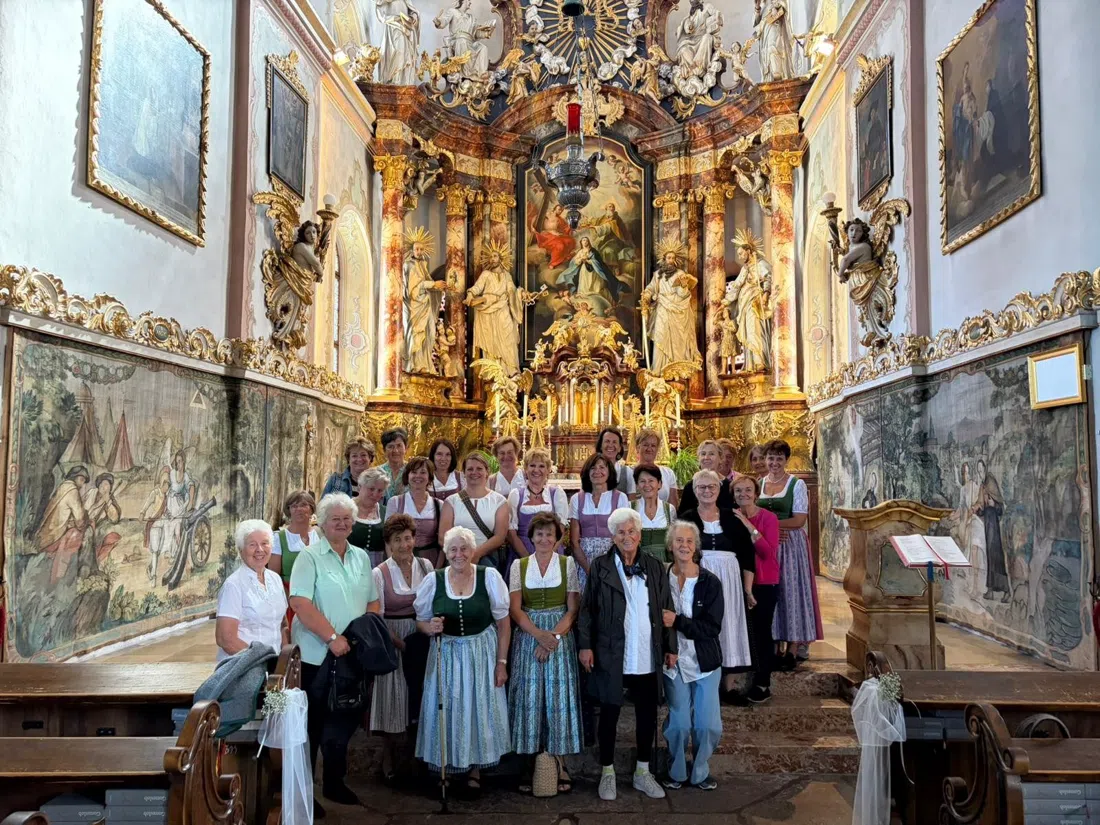
Sommerrodelbahn Keltenblitz (Zinkenlifte, Bad Dürrnberg) is Salzburg's longest summer toboggan run, five minutes from the mine, roughly €8–10 per descent with cheaper multi-ride cards, no advance booking and dry weather only. The 2026 after-season finished on 11 October. For nearly all of this month the run and the mountain restaurant at the top are shut and the hill is for walking, so do not build a family day around it without checking the operator's own page first.
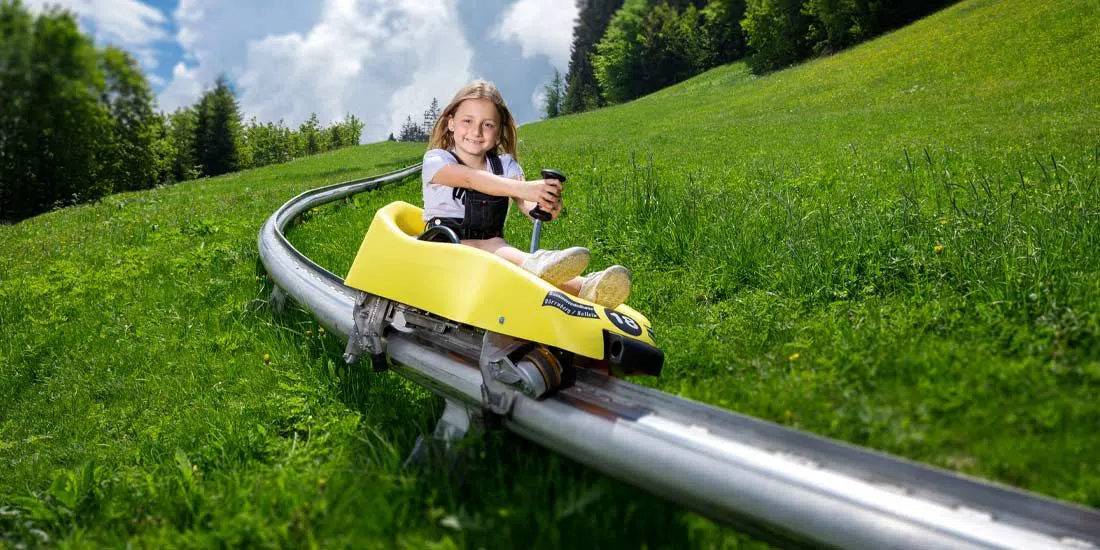
If you want the mine to feel earned, walk up to it. The Knappensteig (Hallein to Raingraben to Dürrnberg) is the old miners' trail. Free, unticketed, any group size, climbing out of the old town up the Raingraben to the pilgrimage church, past the pithead and the Celtic village, then back down. It makes a half-day loop, and it turns a ninety-minute underground tour into a proper day out rather than something bolted onto a car park. The climb is steady and unrelenting, so it is not the option for anyone with mobility limits.
Hallein, the town the salt paid for
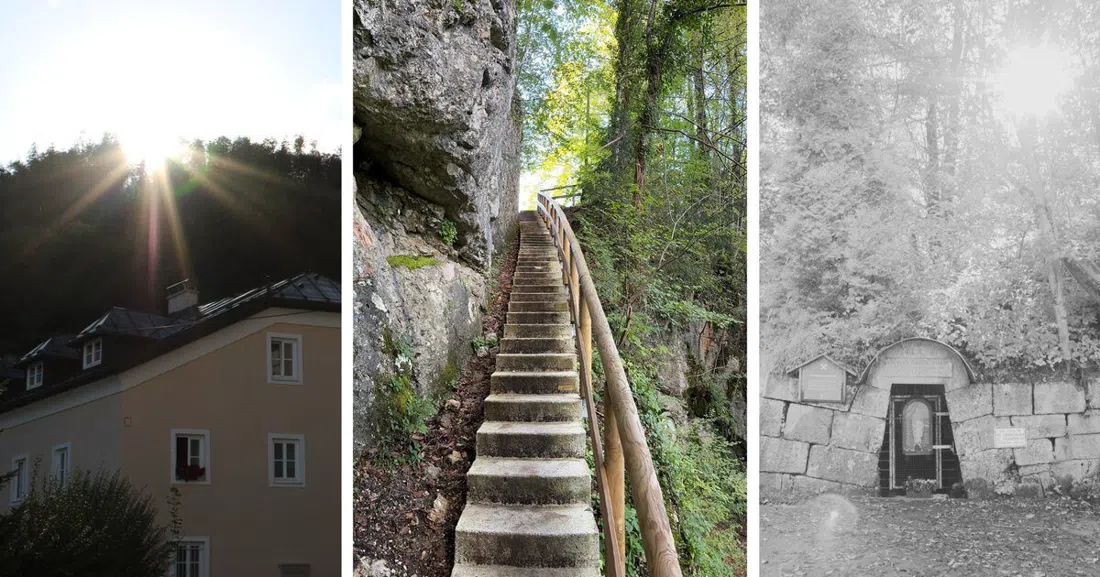
Fifteen minutes downhill from the mine, Hallein Altstadt (Oberer and Unterer Markt, Schöndorferplatz) is where the bus and the train connect, and treating the Dürrnberg as a standalone car park wastes the better half of the trip. It is free and walkable for any size of group, but the cafés and shops are small, and a party of twenty should split up before trying to sit down anywhere.
The Keltenmuseum Hallein (Hallein old town) does the explaining the mine skips. Everything excavated from the Dürrnberg graves ends up here, so doing museum then mine, or mine then museum, converts a slide ride into an Iron Age story. Entry is €9.50 adult, €7.50 reduced, €4.50 for ages 7–26, €19 for a family, free under seven, and it takes groups; guided group tours go through the Salzburg Museum education desk at [email protected], with a school rate per head. For October the line that matters is the opening, daily 9:00–17:00, which makes it the one reliable wet-weather backstop in town.
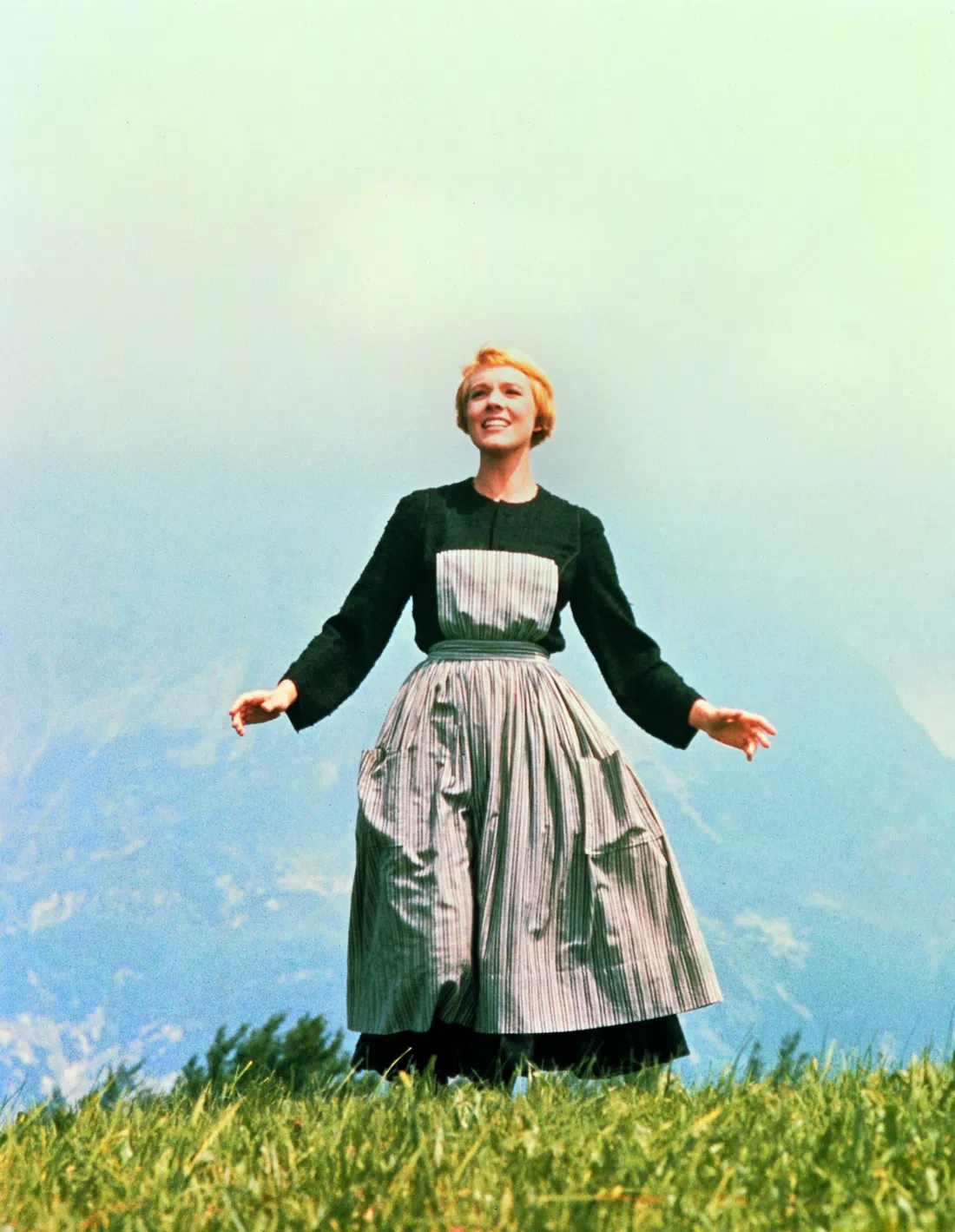
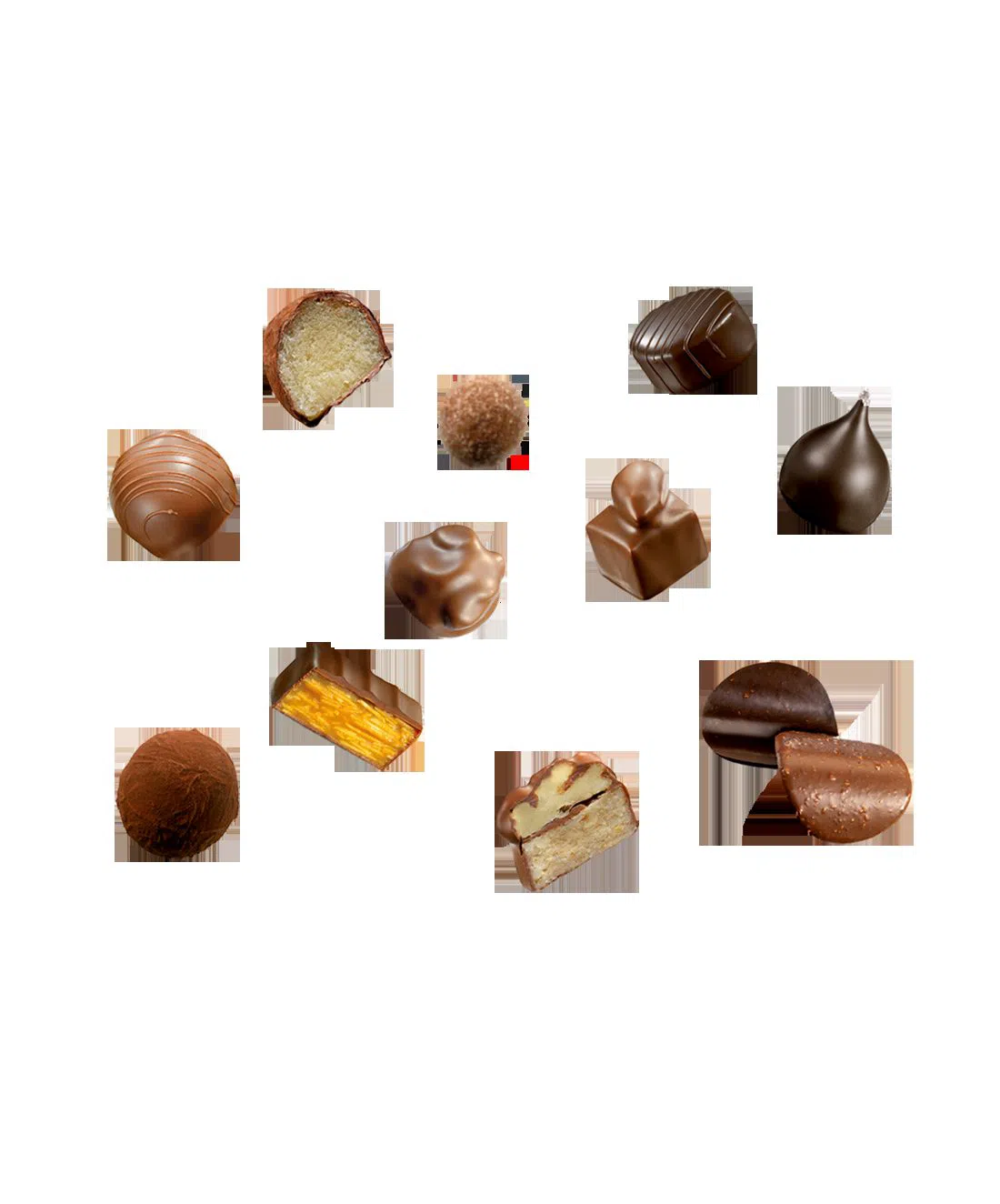
For the warm-up after an hour at mine temperature, Confiserie Braun (Unterer Markt 8, Hallein old town) has been making confectionery here for four centuries and still trades in an unaltered proto-modernist room. Coffee and cake runs €5–12. It is a small room, fine for a few people, hopeless for a coach, and no group booking is advertised. Closed Sunday and Monday, Tuesday to Friday 08:00–18:00, Saturday 08:00–17:00.
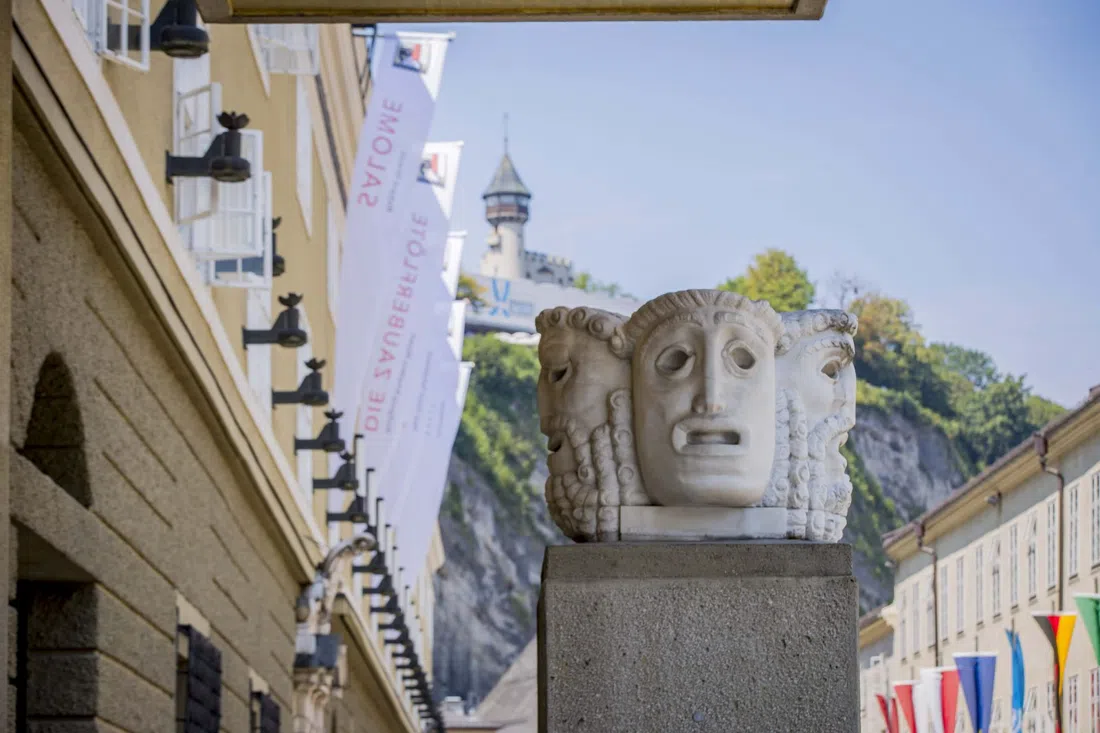
The Knappensteig ends at Pernerinsel Hallein (island in the Salzach, central Hallein), where the town's salt was boiled down and which now serves as the Salzburg Festival's out-of-town stage. Faust I and Unter Tieren played here in summer 2026. Be clear-eyed about October, because the festival season is long over. Treat it as a free walk-up industrial monument and the natural end of the loop, and check the Hallein events listing before expecting anything on stage.
Dinner, beer and a warm room afterwards
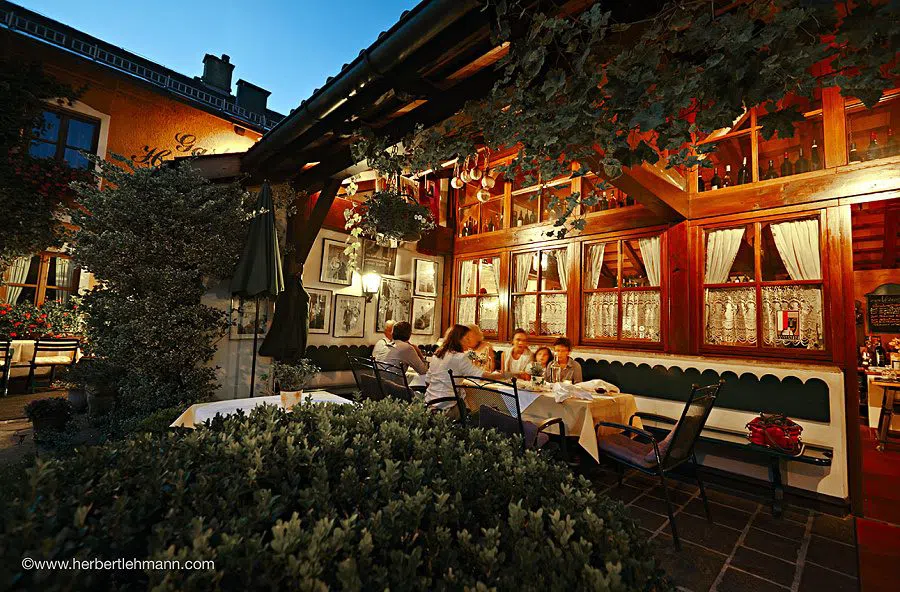
Gasthof Hohlwegwirt (Salzburgerstraße 84, Hallein) is the one serious kitchen near the mine, family-run for close to 150 years, and October is its season, with autumn game and the terrines it is known for. Expect €25–50 a head for a full dinner. It takes groups by reservation, but it is evening-only most days, so book the table before you go underground, not after: closed Mondays, Tuesday 18:00–22:00, Wednesday to Saturday 17:00–22:00, and Sunday lunch only 12:00–15:00.
Hofbräu Kaltenhausen (Salzburger Straße 67, Kaltenhausen) has been brewing on the same site since 1475, which makes it Salzburg's oldest brewery and Austria's oldest wheat-beer house. It is also the venue properly built for a group. Brewery tours, tastings and beer-sommelier sessions are bookable in advance on [email protected] or +43 6245 795-5267, with the Bräustübl for sit-down meals at €15–35 a head and tours priced on booking. Hours for both the tours and the Bräustübl shift through the year, so phone the Bierkultur line and pin a slot rather than turning up on spec in late October.
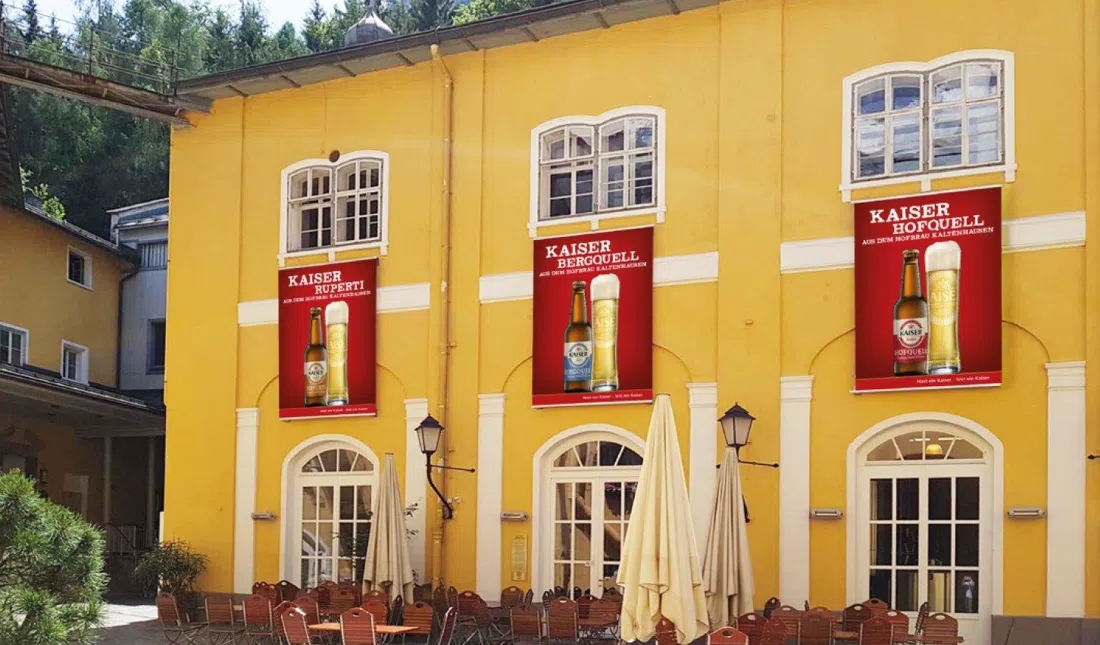
When October turns wet, and when it does not
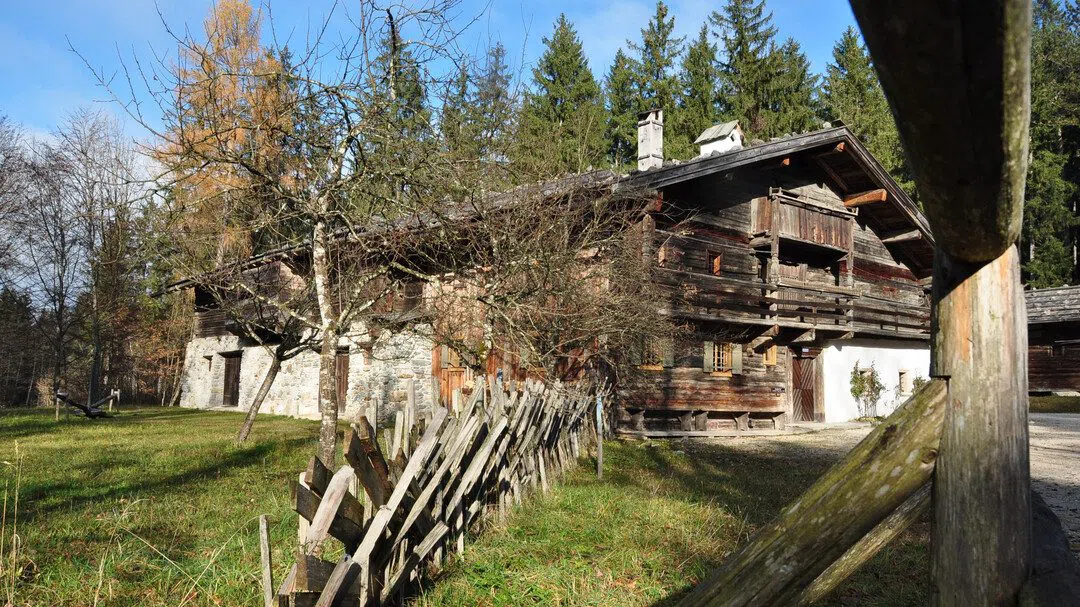
If the forecast collapses, the strongest full day in the area is the Salzburger Freilichtmuseum Großgmain (Großgmain, twenty minutes from the mine), where autumn colour does a lot of the work. Entry is €15 adult, €6 for ages 6–18, €30 family, free under six, with groups of 15 or more at €13 a head, school classes at €3.50 per child and guided tours bookable. Watch the October hours: Tuesday to Sunday 9:00–18:00 until 18 October, then 9:00–17:00 until 11 November, closed Mondays, last admission an hour before closing.
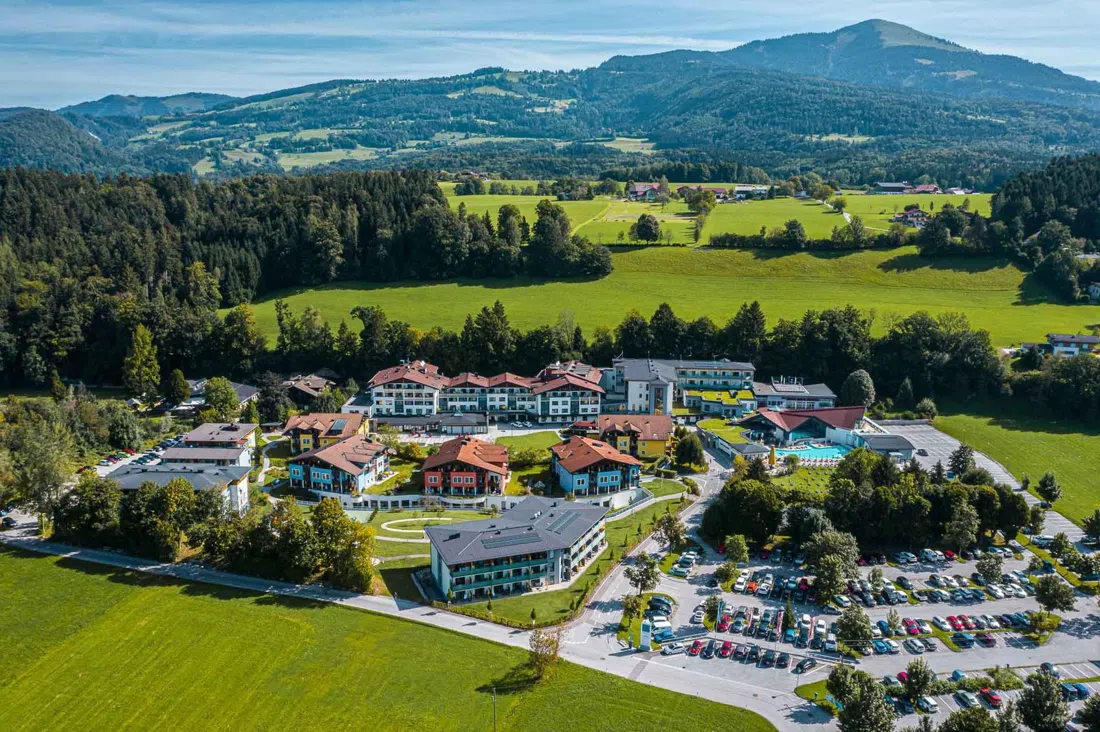
The honest answer to ninety minutes at 10°C on a cold day is Die Heiltherme Bad Vigaun (Bad Vigaun, ten minutes from Hallein). Three hours is €26.50, four hours €30, a day ticket €34, sauna €5.50 extra, €25.50 in the evening, with €1 off per person for groups of ten or more. It is a medical spa, adult and quiet and clinical in tone, and the wrong room for a loud party. If the mine was the children's idea, manage expectations before you drive over.
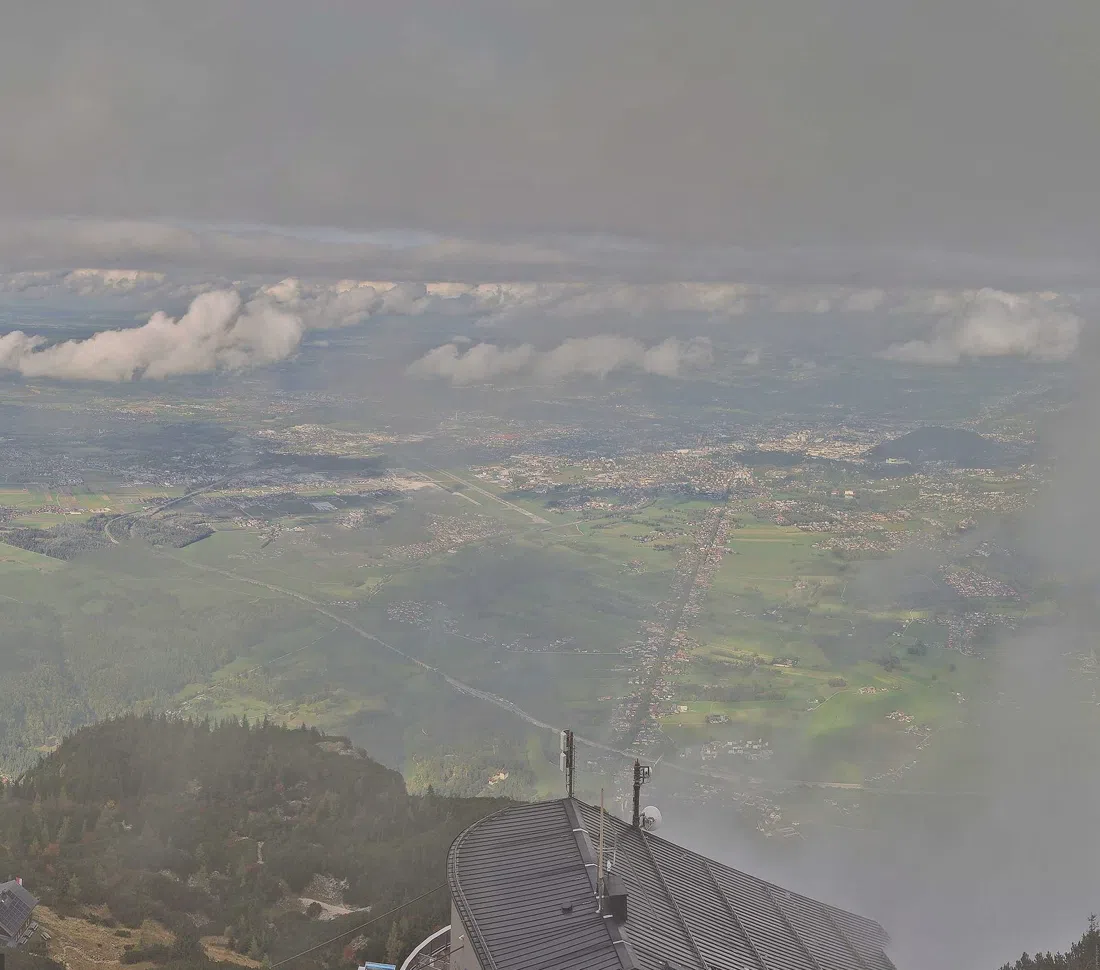
On a clear day, take the view instead. The Untersbergbahn (St. Leonhard, fifteen minutes from Hallein) costs around €30–35 for an adult return, runs on the hour and half-hour with extra departures at peak, and is at its best in October when the valley fog sits below the top station. It runs 8:30–17:00 until 1 November, then closes for autumn overhaul from 2 November until roughly 13 December. Large groups should expect to be split across departures.
Walkers with a dry, bright morning should look at the Barmsteine (Großer and Kleiner Barmstein, above Hallein), the town's real landmark. About 6.9 km and 2.5 hours with 585 m of climb from near the station, steep but not technical, free and open. Skip it in wet October weather, when the rock and the ladders get greasy, and remember that the narrow summit sections force a big group into single file and a queue, so a handful at a time is the sensible cap.
Best time to go in October
Early October still has the hillside working in your favour. The toboggan run was alive until the 11th, the cable car runs to 1 November, and the woods on the Knappensteig are at their best. From mid-month on, plan indoors-first: mine, Keltenmuseum, brewery, thermal spa, with the church and the Barmsteine as fair-weather bonuses.
Within the day, aim for the first departures of the morning or the slots after three o'clock, and pick a weekday if you have the choice. Avoid the 26 October to 1 November window if crowds bother you. And whatever the forecast says at breakfast, the mine does not care. It is the same 10°C in horizontal rain as it is in sunshine, which is why it fills up when the weather breaks.
Is it worth it
Yes, with one condition: do not drive up, slide, and drive away. On its own, ninety minutes of train, chute and raft is a good hour and a half and a slightly thin reason to have crossed the valley. Combined with the Keltenmuseum below or the trail up from the old town, it becomes a real day and the history lands properly.
It suits families with children old enough for the slides, couples who like their sightseeing with a physical component, and anyone with a wet October afternoon to kill. It does not suit wheelchair users, the claustrophobic, or anyone who needs to stay dignified in a borrowed boiler suit. More ideas for the rest of the trip are in our Salzburg guide.
Practical notes
Local trains from the city reach Hallein in about twenty minutes, and a local bus climbs from the station up to the Dürrnberg in roughly fifteen more. Check the return times before you go underground, because the evening service up on the hill thins out early. Drivers have parking at the pithead, but arriving by train and walking the Knappensteig up is the better version of the day.
Cards are fine at the mine, the museums and the brewery. Carry €20–30 in notes anyway for the small cafés and the parish donation box.
Allow two hours on site for the mine and the Celtic village, half a day for the Knappensteig loop, and a full day if you add the Keltenmuseum and dinner. October light goes early, so put anything with a view before 16:00.
Two adults doing mine, Keltenmuseum (€9.50 each), coffee and cake at Braun (€5–12) and dinner at Hohlwegwirt (€25–50 a head) land in the comfortable mid-range for a day out. Swap dinner for the Bräustübl at €15–35 a head to bring it down, or add the thermal spa at €26.50 for three hours if the cold got into you. Base yourself in the city and treat the whole thing as a day trip. Our Salzburg hotel search covers the options near the main station, which is the easiest place to start from.